
Stablecoins
How are banks approaching dollar-backed digital assets (stablecoins)?
Stablecoins have moved from the edge of the
Banks are testing stablecoins for cross-border payments, liquidity management, and digital wallets. Some are also exploring how stablecoins can support interbank transactions or be issued directly by regulated institutions. As the landscape takes shape, stablecoins are starting to look less like an experiment and more like infrastructure.
-
The spots "left out a few things," Sen. Sherrod Brown, Democrat of Ohio, said at a hearing Tuesday.
February 15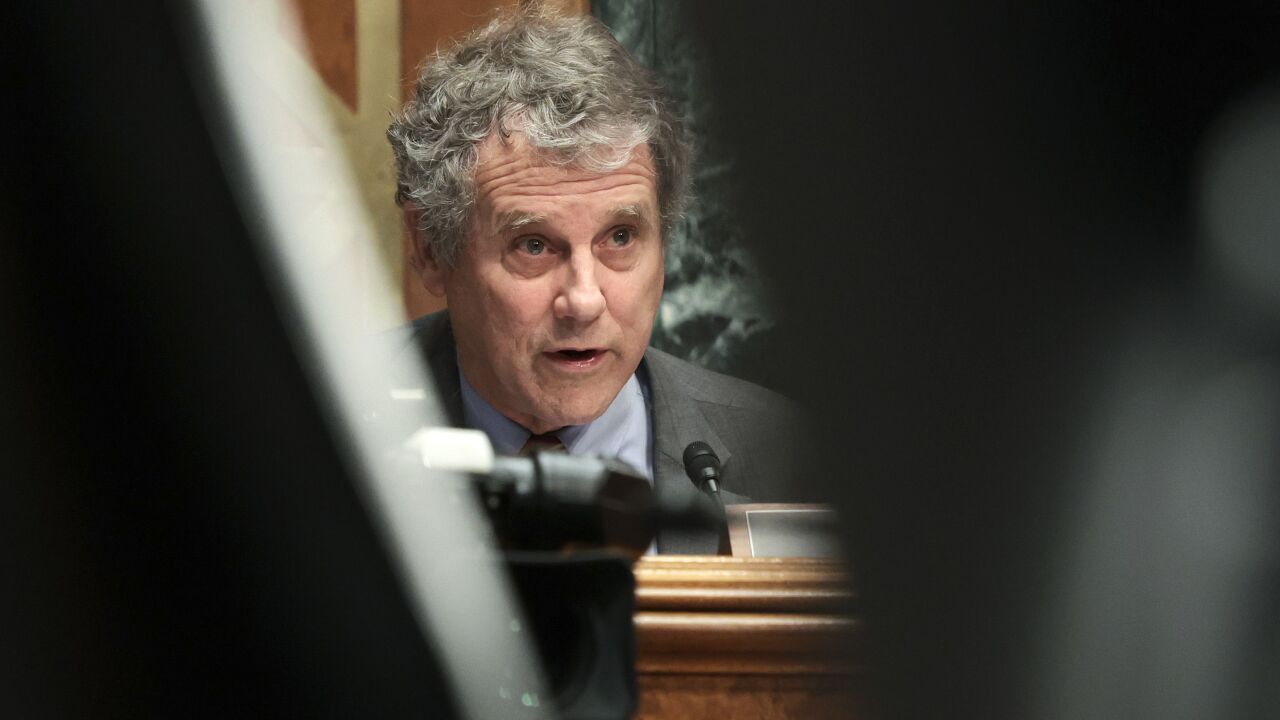
-
Coinbase Global Inc., the biggest U.S. cryptocurrency exchange, is wading into the international money-transfer business, seeking to tap into a huge market dominated by firms like Western Union Co.
February 15
-
Republicans urged federal authorities to take a light-touch approach to regulating stablecoins during a Senate Banking Committee hearing, while Democrats intensified demands for strong consumer protection.
 February 15
-
Mastercard said it will hire more than 500 young professionals this year as it expands its data and services unit, an effort that will include launching consulting practices focused on cryptocurrencies and open banking.
February 15
-
The crypto lender, which didn’t admit or deny wrongdoing, had been accused of illegally offering a product that pays customers high interest rates to lend out their digital tokens. The company sold the accounts to U.S. investors without registering them as securities, the Securities and Exchange Commission had said.
February 14
-
“Ancillary parties who cannot get access to information that is useful to the IRS are not intended to be captured by the reporting requirements for brokers,” Treasury Department Assistant Secretary for Legislative Affairs Jonathan Davidson told lawmakers.
February 13
-
The country that gets it right first will see rapid business and job creation, attract the world’s best and brightest minds and set the standard other nations will follow.
February 9 Anchorage Digital
 -
The U.K. fintech sees itself as a competitor to Block and PayPal's Bitcoin-trading operations, with plans to offer Americans banking services such as a savings account in the near future.
 February 9
-
Ilya Lichtenstein and his wife, Heather Morgan, were arrested for allegedly masterminding the 2016 scheme. They are scheduled to appear at federal court in Manhattan Tuesday afternoon.
February 8
-
Stablecoins are unlikely to be the future of payments despite their growing market value in the last two years, according to a Federal Reserve Bank of New York blog post.
February 7


The first three months of the year coincide with the start of President Donald Trump's second term in office. Investors are likely to be more interested in banks' outlooks amid swings in tariff policy than the first-quarter results.


Frequently Asked Questions:
How are banks approaching dollar-backed digital assets (stablecoins)?
Stablecoins have moved from the edge of the crypto, world to the center of policy and banking conversations. As regulators and banks weigh their role in payments, settlement, and reserves, this page follows the developments — from early pilots to proposed legislation.
Banks are testing stablecoins for cross-border payments, liquidity management, and digital wallets. Some are also exploring how stablecoins can support interbank transactions or be issued directly by regulated institutions. As the landscape takes shape, stablecoins are starting to look less like an experiment and more like infrastructure.
Why are banks paying attention to stablecoins?
Stablecoins are increasingly viewed as a potential upgrade to legacy payments systems. Banks are evaluating them for settlement, remittances, cross-border transactions, and tokenized deposit models.Are banks issuing their own stablecoins?
Some are exploring the option. Institutions like JPMorgan (with JPM Coin) and new entrants like PayPal are piloting bank-issued stablecoins, while others are watching regulatory developments before moving forward.How do stablecoins impact compliance and risk?
Issues include KYC/AML enforcement, cybersecurity, operational risk, and how reserve assets are held and reported. Banks exploring stablecoin activity must weigh both technological benefits and regulatory scrutiny.How are regulators responding to stablecoin innovation?
Congress is debating stablecoin-specific bills focused on reserve backing, issuer licensing, and oversight. The Federal Reserve, OCC, and state regulators are also shaping how bank involvement in stablecoin activity is supervised.How are banks using stablecoin?
Banks are using stablecoins to speed up cross-border payments, manage liquidity across global branches in real time, and test new forms of settlement between institutions. Some are integrating stablecoins into retail-facing digital wallets, while others are exploring interbank networks built on tokenized payments. These efforts are less about crypto speculation and more about making money move faster, with greater transparency and fewer intermediaries.- Real-time cross-border payments
- Internal liquidity management
- Retail-facing digital wallets
- Interbank tokenized payment networks
Top banks investing in stablecoin
List of institutions with greatest investment in stablecoin:- JPMorgan Chase – JPM Coin
- Custodia Bank – Avit Tokens
- Citigroup - Citi Token Services
- Societe Generale - USD CoinVertible
- Bank of America - Name yet to be released
- Fifth Third - Name yet to be released
- U.S. Bancorp - Name yet to be released