
Stablecoins
How are banks approaching dollar-backed digital assets (stablecoins)?
Stablecoins have moved from the edge of the
Banks are testing stablecoins for cross-border payments, liquidity management, and digital wallets. Some are also exploring how stablecoins can support interbank transactions or be issued directly by regulated institutions. As the landscape takes shape, stablecoins are starting to look less like an experiment and more like infrastructure.
-
Financial institutions, regulators, and developers are aligning around a common goal of creating infrastructure that makes our global financial system faster, more efficient, and more secure.
May 13
-
The community bank trade group says crypto firms are combining stablecoin rules, Fed master account access and trust charters to replicate banking without bank rules.
 May 12
-
Banks continue to push back on what they describe as insufficient protections against stablecoin yield as the Senate Banking Committee is poised to mark up its long-awaited crypto market structure bill this week.
 May 11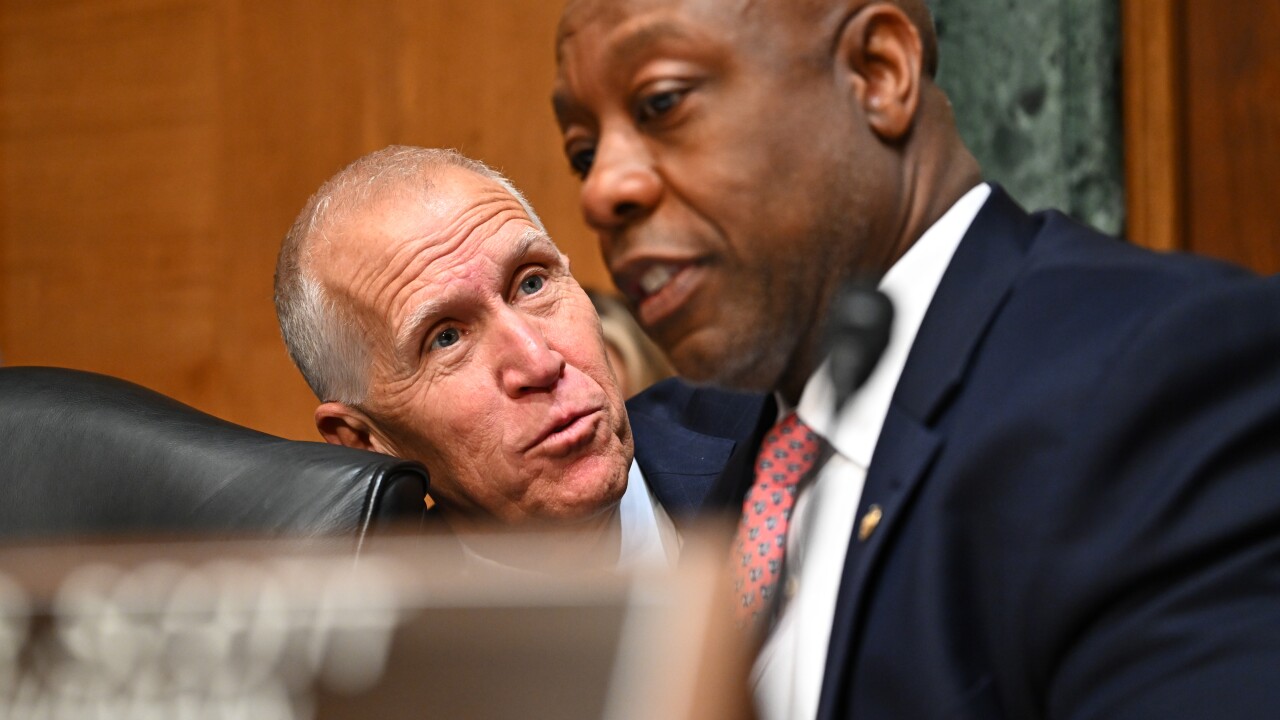
-
The 21st century financial system that digital currency promised is being built, but by banks, not by the bitcoin crowd.
May 8 American Banker
 -
Interpretive guidance from regulators does not deliver the kind of certainty that companies want as they consider expanding into the world of digital assets. Congressional action on the CLARITY Act is the answer.
May 7
-
The pilot program offers rates better than Coinbase, Robinhood and Charles Schwab and will be rolled out to all of Morgan Stanley's 8.6 million E-Trade users later this year.
May 6
-
Public comments on the Office of the Comptroller of the Currency's GENIUS Act implementing regulations highlighted the rift between banks and crypto firms over the permissibility of yield on stablecoin holdings, an issue that has stalled crypto market structure legislation for months.
 May 6
May 6
-
CEO Brian Armstrong said the company will flatten its org chart to five management layers and concentrate hiring around "AI-native" pods.
May 5
-
Sens. Thom Tillis, R-N.C., and Angela Alsobrooks, D-Md., said that they "agree to disagree" with bank lobbyists on their objections to their newly released stablecoin-yield provision.
May 5
-
Mainstream financial services firms moving into the crypto realm are rightly skittish about consolidating trading, custody, lending, staking and settlement in a single provider. The crypto industry is, instead, entering a world of "co-opetition."
May 5


The first three months of the year coincide with the start of President Donald Trump's second term in office. Investors are likely to be more interested in banks' outlooks amid swings in tariff policy than the first-quarter results.


Frequently Asked Questions:
How are banks approaching dollar-backed digital assets (stablecoins)?
Stablecoins have moved from the edge of the crypto, world to the center of policy and banking conversations. As regulators and banks weigh their role in payments, settlement, and reserves, this page follows the developments — from early pilots to proposed legislation.
Banks are testing stablecoins for cross-border payments, liquidity management, and digital wallets. Some are also exploring how stablecoins can support interbank transactions or be issued directly by regulated institutions. As the landscape takes shape, stablecoins are starting to look less like an experiment and more like infrastructure.
Why are banks paying attention to stablecoins?
Stablecoins are increasingly viewed as a potential upgrade to legacy payments systems. Banks are evaluating them for settlement, remittances, cross-border transactions, and tokenized deposit models.Are banks issuing their own stablecoins?
Some are exploring the option. Institutions like JPMorgan (with JPM Coin) and new entrants like PayPal are piloting bank-issued stablecoins, while others are watching regulatory developments before moving forward.How do stablecoins impact compliance and risk?
Issues include KYC/AML enforcement, cybersecurity, operational risk, and how reserve assets are held and reported. Banks exploring stablecoin activity must weigh both technological benefits and regulatory scrutiny.How are regulators responding to stablecoin innovation?
Congress is debating stablecoin-specific bills focused on reserve backing, issuer licensing, and oversight. The Federal Reserve, OCC, and state regulators are also shaping how bank involvement in stablecoin activity is supervised.How are banks using stablecoin?
Banks are using stablecoins to speed up cross-border payments, manage liquidity across global branches in real time, and test new forms of settlement between institutions. Some are integrating stablecoins into retail-facing digital wallets, while others are exploring interbank networks built on tokenized payments. These efforts are less about crypto speculation and more about making money move faster, with greater transparency and fewer intermediaries.- Real-time cross-border payments
- Internal liquidity management
- Retail-facing digital wallets
- Interbank tokenized payment networks
Top banks investing in stablecoin
List of institutions with greatest investment in stablecoin:- JPMorgan Chase – JPM Coin
- Custodia Bank – Avit Tokens
- Citigroup - Citi Token Services
- Societe Generale - USD CoinVertible
- Bank of America - Name yet to be released
- Fifth Third - Name yet to be released
- U.S. Bancorp - Name yet to be released