
Credit cards
Credit cards


-

Discretionary spending was up and consumer credit showed no signs of cracking in the first quarter of 2026, leading to lower charge-off guidance for the year.
April 21 -
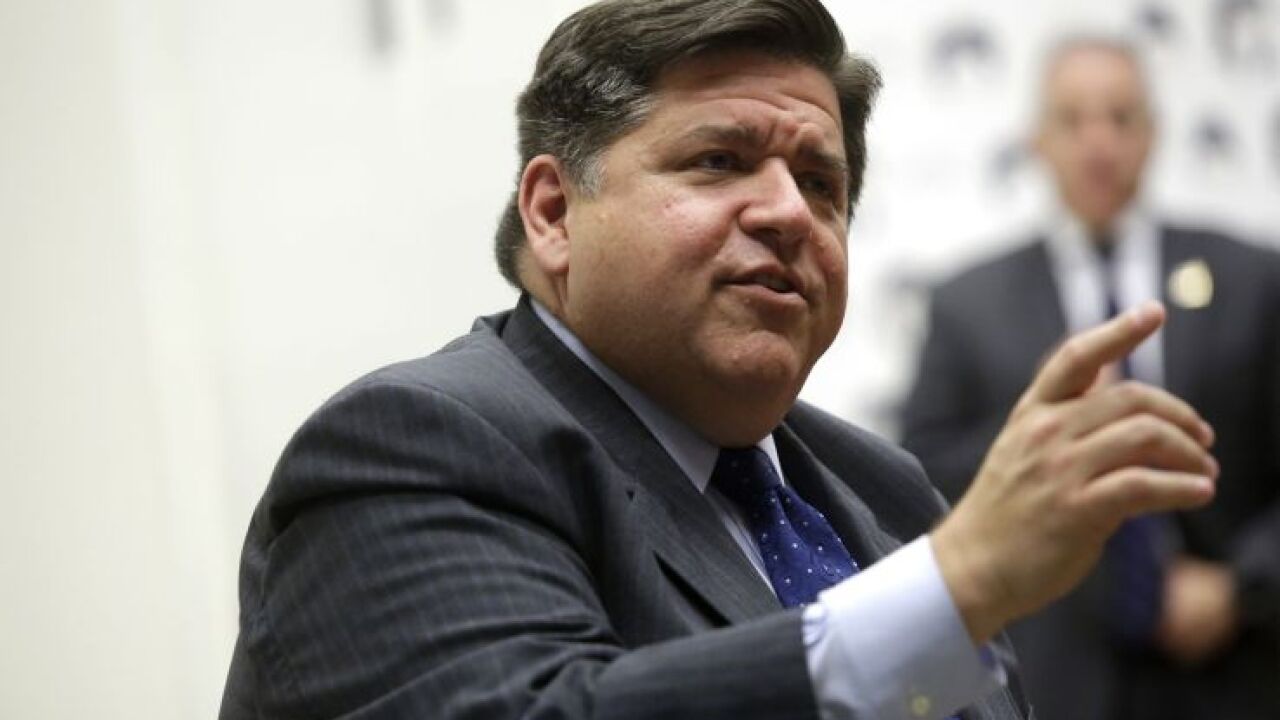
The Office of the Comptroller of the Currency sent an interim final rule to the Office of Management and Budget that would preempt a controversial Illinois state law banning the collection of interchange fees on taxes and tips interchange.
April 16 -

Banks are spending more on security for their executives, given the murder of UnitedHealthcare's CEO; a new lender targets mineral-rights holders.
April 10 -

Oil rights can be a surprisingly illiquid asset. A fintech called Frontlands is hoping to change that by offering a credit card for the owners of oil wells and other natural resources.
April 9 -

The Minneapolis-based bank will issue the cards, and Mastercard will act as the network provider. American Express formerly ran the e-commerce giant's business credit card programs.
March 31 -

From transaction to transaction, it is impossible for merchants accepting major credit cards to know with certainty what interchange fees they are being charged. Until that's fixed, the interchange wars will continue.
March 27 -

The legislation would grant the Consumer Financial Protection Bureau, among other agencies, more oversight of airline-branded credit cards and rewards schemes.
March 26 -

The Saginaw, Michigan-based credit union brought its credit card program back in-house to capture more member spending and gain added control over customer relationships. Previously, its credit card program was managed by a third-party vendor.
March 13 -

By acquiring the ATM firm, Brink's hopes to expand in retail commerce. Plus, Revolut issues a card to compete with Amex; Standard Chartered has a new payments chief; and more in American Banker's global payments and fintech roundup.
March 4 -

Fifty years of sanctions has forced the Middle Eastern country to develop its own isolated financial system. But money has still found a way to move in and out of the country.
March 4 -
-
-
 PSO content
Recent reports from JD Power suggest that more customers choose payment alternatives to avoid surcharge fees.
February 26 -
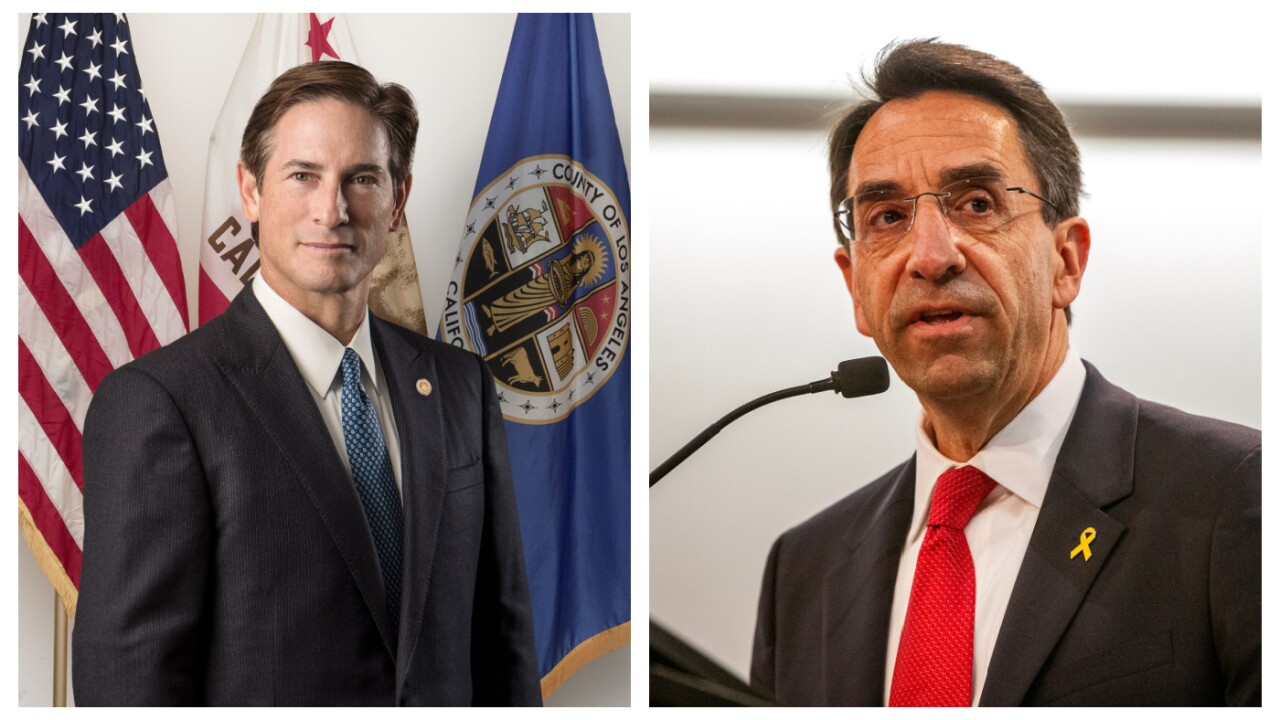
Credit One Bank agreed to a $10.2 million settlement after almost five years of litigation with a group of California district attorneys. The suit alleged that the bank's vendors made harassing phone calls to borrowers.
February 23 -
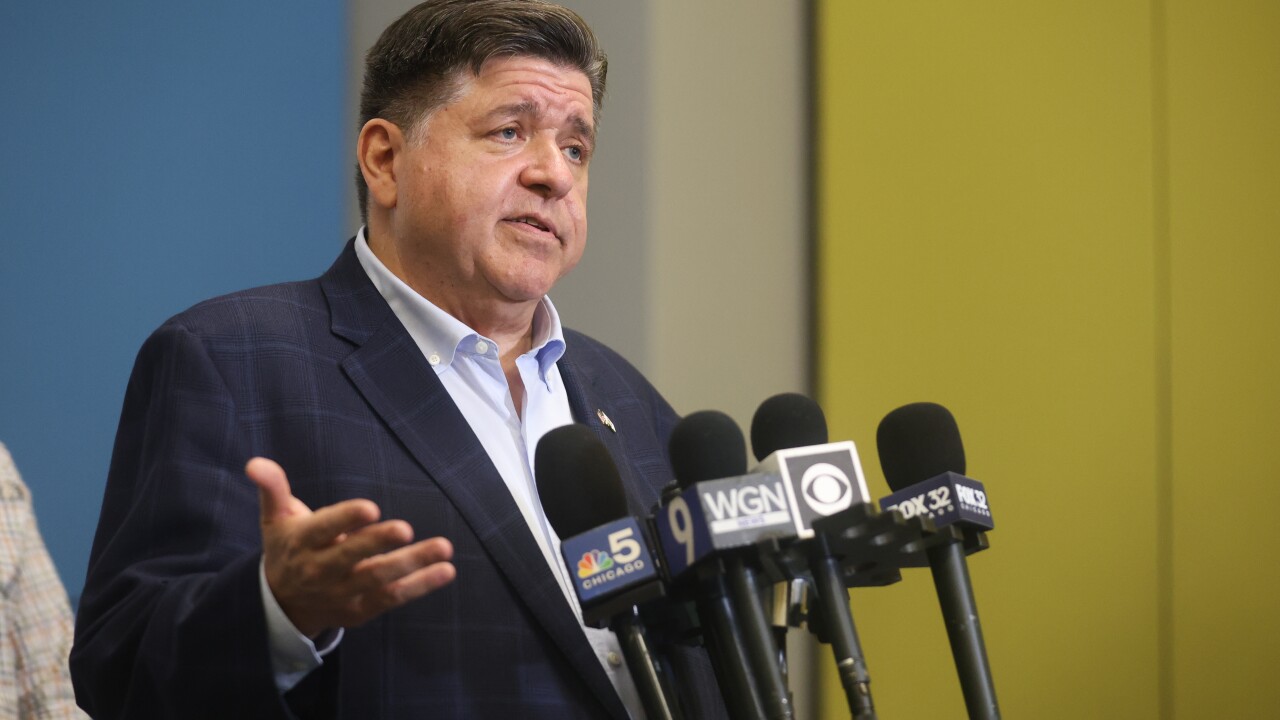
After a federal judge allowed a new state law to ban interchange fees on taxes and tips, a coalition of banks and credit unions struck back.
February 20 -

Sens. Ted Cruz, R-Texas, and Katie Britt, R-Ala., offered a new bill that would index the Durbin Amendment's debit fee threshold to inflation. The bill joins a number of community bank-centered bills offered or moving through Congress
February 12 -

The sports betting company said it would stop accepting credit card deposits for its sportsbook, casino and racing products in the U.S. Wagers placed using credit cards are typically more expensive than those made with other forms of payment.
February 12 -

Delinquencies on credit-card debt mostly held steady at the end of last year, but certain groups of consumers are faring better than others.
February 10 -

This month, Bank of America plans to unveil new incentives for cardholders with higher account balances. Reworking the rewards program is one lever the firm is pulling in its effort to lift the annual profit of the consumer unit to $20 billion by the end of the decade.
February 5 -

President Donald Trump's support of legislation that would cap credit card interest rates at 10% has flagged in recent weeks, but experts say that the debate has highlighted significant gaps in regulators' understanding of the credit card market and how its risks are priced.
February 3


