-
Treasury Secretary Scott Bessent said the agency's long-dated Treasury bond buybacks are intended to improve liquidity on the long-dated end of the market rather than influence monetary policy.
 September 9
-
Many traders took the Federal Reserve chair's tough talk on inflation as a signal that the central bank is poised for a rate hike, but the corresponding dip in long-dated bonds proved short-lived.
 August 31
-
Treasury Secretary Scott Bessent said in an interview on CNBC Thursday that he and Office of Management and Budget Director Russell Vought have been tasked with developing a fiscal plan to reduce government spending.
August 20
-
Just two weeks after releasing its planned schedule for buybacks this quarter, the Treasury Department on Wednesday said it's "increasing, by at least double, the size of liquidity support buyback operations" for securities dated from the 10-year to the 30-year sector.
August 19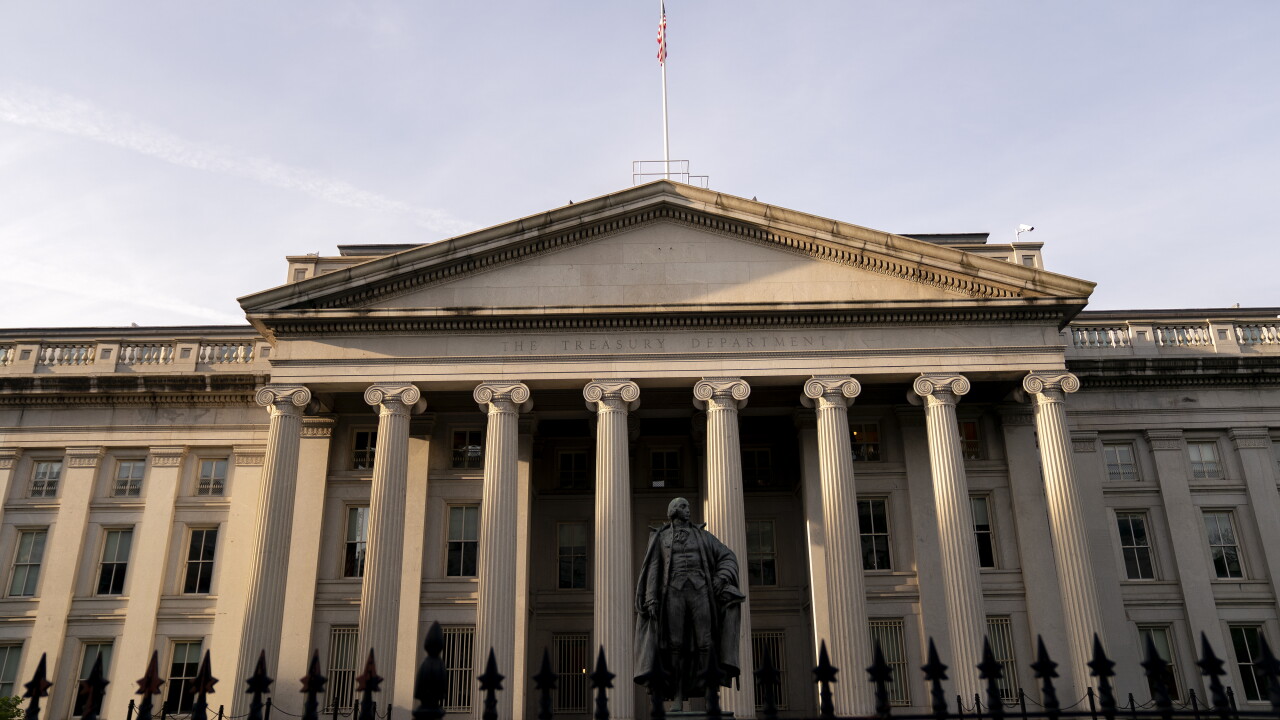
-
The Federal Reserve is rethinking the size and scope of its holdings. Academics and industry analysts alike say liquidity reforms will be key to the process.
July 22
-
Federal Reserve Bank of Dallas President Lorie Logan said at an event Thursday that conducting monetary policy actions through a third party would improve efficiency and make markets stronger.
July 9
-
Balance sheet reduction is a top priority of new Fed Chair Kevin Warsh. Achieving that goal means avoiding the kinds of disruptions that roiled the Treasury bond market in 2019, the last time the central bank embarked on quantitative tightening.
June 15
-
The investment firm is growing its digital asset portfolio in a "tokenization race" by being the external asset manager for Superstate's flagship on-chain fund.
 March 24
-
The path of US interest rates remains in focus following the slower-than-expected US inflation print as traders fully price a Fed cut in July.
February 16 -
Treasury market bulls and bears fought to a draw this week as conflicting private-sector data on the health of the US labor market left expectations for another Federal Reserve interest-rate cut in December in limbo.
November 7 -
Regulators hope changes to the supplementary leverage ratio will improve Treasury market function, but whether that happens depends in large part on how banks react and adapt.
July 1
-
The Federal Reserve's vice chair for supervision said changes to the supplemental leverage ratio are needed to bolster the Treasury market and ensure banks are not incentivized to take on excessive risks.
June 23
-
This might deeply disappoint Wall Street investors who've been counting on a windfall if Fannie and Freddie are set free.
June 3
-
Treasury yields rose the day after President-elect Donald Trump was picked. The short-term result: It's harder for commercial real estate lenders and borrowers to find common ground.
 November 15
-
Investors are set to start the week scrambling to decide if President Joe Biden's decision to end his reelection campaign and endorse Vice President Kamala Harris increases or decreases Donald Trump's chances of regaining power.
July 21
-
The U.S. 30-year yield reached the highest level in a month on Monday amid predictions that a Trump presidency would lead to higher inflation.
July 3
-
Regulators had their priorities backward when it came to overseeing SVB and allowed an obvious danger to go unmitigated.
April 14
-
Securities and Exchange Commission Chair Gary Gensler and Treasury Under Secretary for Domestic Finance Nellie Liang see urgency in shoring up liquidity in government debt markets during times of stress.
November 17
-
The London interbank offered rate will phase out in a matter of months, and lawmakers have to step in to prevent a legal fiasco. They need to make Secured Overnight Financing Rate the sole fallback benchmark.
July 23 Alternative Reference Rates Committee
 -
The London interbank offered rate was a flawed benchmark, but it was nonetheless a centerpiece of finance for decades. Congress should ensure it doesn't replace one interest rate monoculture with another as Libor winds down.
July 21 Willkie, Farr & Gallagher LLP


