
Earnings
Earnings


-

Prior to the merger, First Castle was the nation's second-oldest existing federally chartered credit union.
August 7 -

Square's gross payment volume tumbled by 15% year-over-year due to COVID-19’s impact, but revenue jumped as online selling rose, Cash App doubled in users and Square enabled almost $900 million in PPP loans.
August 5 -

The prepaid card company benefited from payments that were designed to offset the pandemic’s impact on U.S. consumers.
August 5 -

Western Union confirmed yet again that for a payments company to survive the coronavirus pandemic, it needed to enter the crisis with a strong footing in digital payments.
August 4 -

The major card networks have heavily invested in broader services as transaction processing loses its luster, a strategy that’s provided a ray of hope as retail and travel industries remain sidelined.
August 3 -

MoneyGram International's digital transformation came at just the right time, considering walk-in traffic at MoneyGram locations in certain regions of the world was stymied for months by the coronavirus pandemic. But for many people, digital is still no replacement for the human touch.
July 31 -

Apple Card helped push services-category revenue to new heights for Apple, which reported double-digit growth in its product and services segments for the third quarter of 2020.
July 30 -

Mastercard reported a sharp decline in payments in its most recent quarter, but some digital seeds it planted before the coronavirus pandemic are already bearing fruit.
July 30 -

The company's results put firm numbers on one of the most discussed business trends of the pandemic economy — the acceleration of digital payments.
July 29 -

In what was a challenging quarter for the industry, the company reported strong loan growth and a wider margin. Continued momentum will depend on government stimulus, the reopening of New York City and borrowers' ability to make payments after their deferral periods end.
July 29 -

The company's second-quarter net income was $116 million, with mortgage banking revenue of $239 million.
July 28 -

The slowdown in elective medical procedures caused by the coronavirus pandemic led to less spending from HSAs and a decline in interchange income for the Connecticut bank.
July 24 -
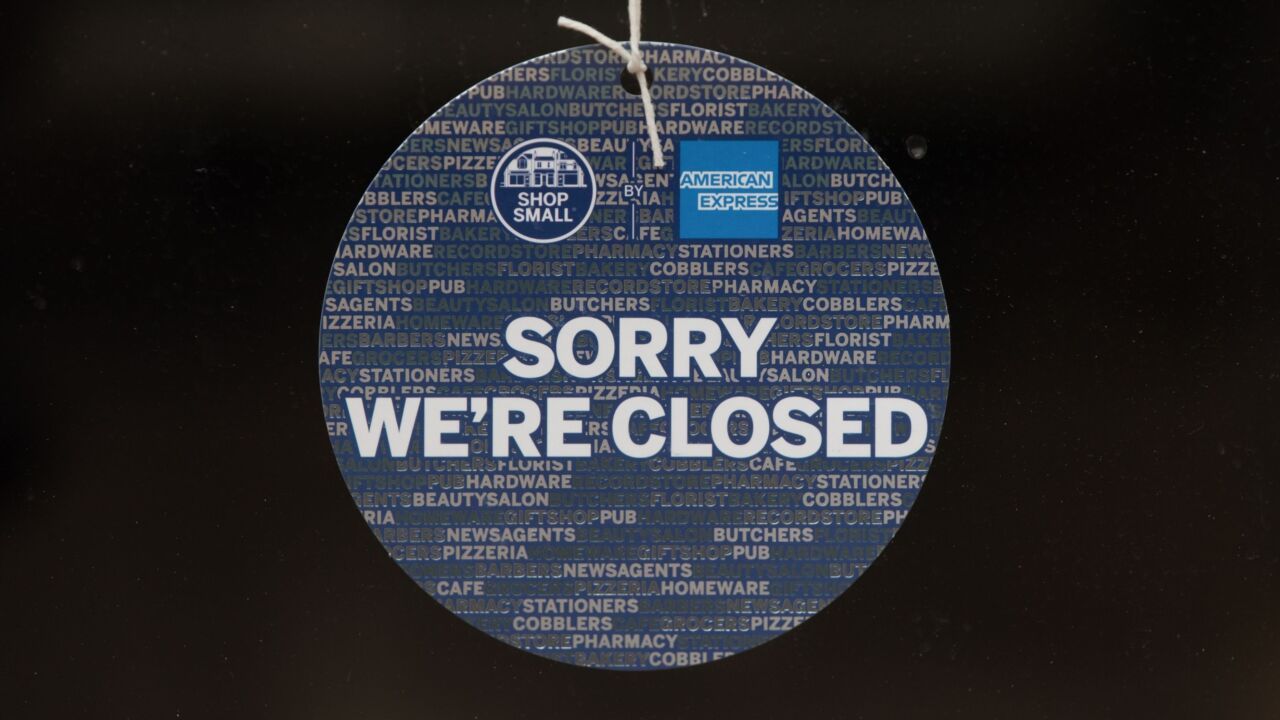
Three months ago, Stephen Squeri, the chairman and CEO of American Express, declared a global "economic free fall" due to the coronavirus. Its second-quarter earnings show how far a fall it has been.
July 24 -

CEO Greg Carmichael says the Cincinnati company has cut expenses but will proceed with branch openings in the Southeast and investments in its commercial loan and mortgage origination platforms to lay the groundwork for post-pandemic growth.
July 23 -

Other regionals set more aside for loan losses than the Cleveland bank did in the second quarter, and its ratio of reserves to total loans is slightly lower, too. But Key executives say the portfolio is balanced and holding up well despite the pandemic’s economic toll.
July 22 -
The Dallas company, which in May terminated a deal to merge with Independent Bank, set aside $100 million for worrisome loans and incurred severance costs after cutting an undisclosed number of positions.
July 22 -

The Dallas bank set aside less in the second quarter for credit losses than analysts expected. Executives cited action in Texas and California to reverse reopenings and said they're still committed to the oil and gas business.
July 21 -

The Georgia company warned that outstanding loans could fall and deferrals will likely rise as its home state and Florida grapple with the pandemic.
July 21 -

Loans to retailers and hotels are at the highest risk of default, the Salt Lake City company said in its second-quarter earnings presentation.
July 21 -

While rival banks reported increases in loans and deposits, thanks largely to their participation in the Paycheck Protection Program, State Street and Bank of New York Mellon saw their balance sheets shrink in the second quarter.
July 17


