
Wells Fargo
Wells Fargo


Wells Fargo is one of the largest banks in the United States, with approximately $1.9 trillion in balance sheet assets. The company is split into four primary segments: consumer banking, commercial banking, corporate and investment banking, and wealth and investment management.
-

House Financial Services Committee Chairwoman Maxine Waters said the CEO's 2018 bonus was "outrageous and wholly inappropriate" and called for his removal.
March 14 -

Fintech investors, including Goldman Sachs, see opportunity in Mexico; firm’s growth in lending could be a problem if economy goes south.
March 14 -

It was a 5.7% raise from the previous year. His total compensation was the smallest among the CEOs of the six biggest U.S. financial institutions, but his salary was the largest.
March 13 -
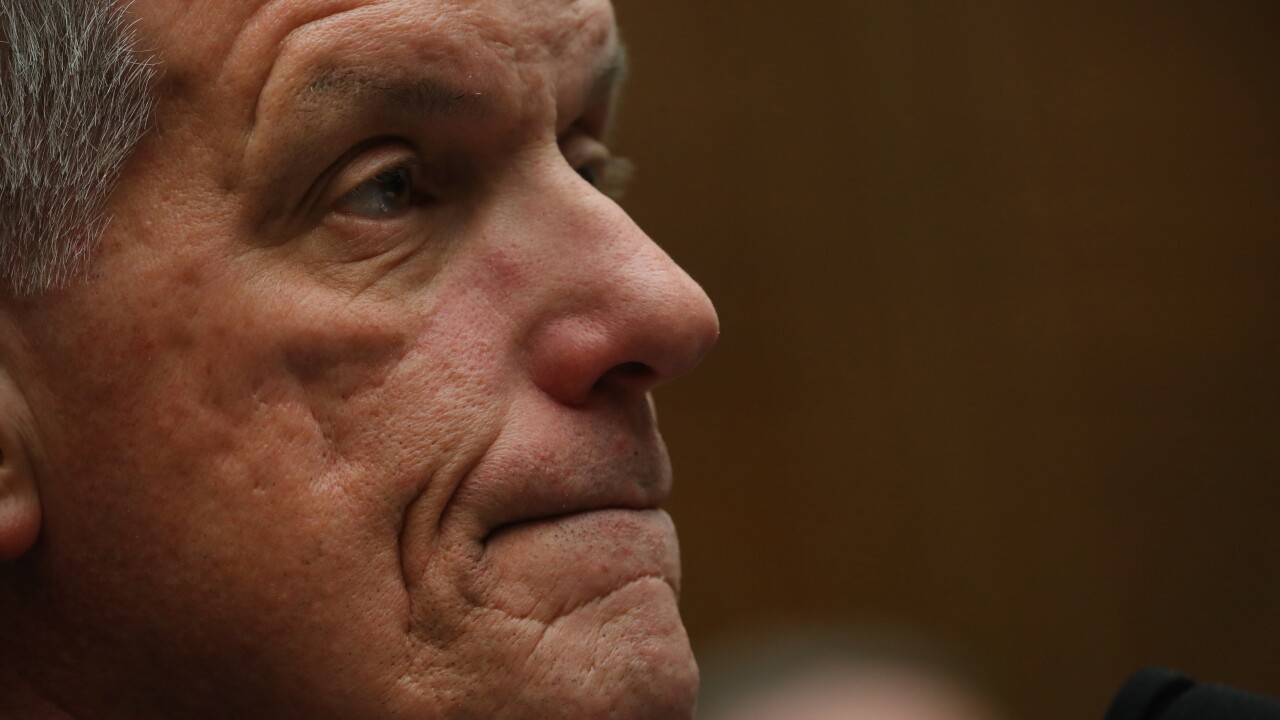
The OCC says it is “disappointed” with the bank as CEO Tim Sloan gets lambasted on Capitol Hill; Goldman Sachs is letting private investors participate in its in-house special-situations unit.
March 13 -

In a tense back and forth with lawmakers, the embattled CEO pushed back on claims that the bank still pressures employees to hit sales targets and retaliates against those who speak up.
March 12 -

More than two years after Wells Fargo's consumer scandals first came to light, the congressional backlash facing the bank is bipartisan and just as fierce.
March 12 -

Shari Van Cleave, head of digital labs at the bank, discusses customer-facing technology it's testing, including wearables and the so-called internet of things.
March 12 -

A Deutsche Bank and Commerzbank merger would face many hurdles; the mini-branch will have longer hours and cater to small companies.
March 12 -

How well Tim Sloan fares before the House Financial Services Committee will hinge largely on his ability to stay on message in the face of what is expected to be sharp criticism from Democratic lawmakers.
March 11 -

Wells Fargo CEO Tim Sloan said that the megabank has worked to address past issues and is equally committed to preventing new problems from arising, despite reports suggesting otherwise.
March 11 -

Bank employees say management has not let up on ambitious sales goals; women bankers say UBS cut bonuses after maternity leave.
March 11 -

In the startup sector, female founders consistently receive far less venture capital than male founders, but a program by Quesnay is looking to change that.
March 8 -

Is it realistic to think Wells Fargo might get a new female CEO? How one fintech makes women feel welcome, and how another fosters innovation. Plus some of our Most Powerful Women make big moves – two retire, one jumps from BNY Mellon to Amex, one exits a board and another joins one.
March 6 -

Maria Teresa Tejada joined the bank Monday as chief strategic enterprise risk officer.
March 4 -

The settlement would mark a rare instance where the bank stands to benefit monetarily from a scandal that has severely damaged its reputation and cost it hundreds of millions in penalties.
March 1 -

JPMorgan's Dimon: Square innovated where we should have; this company simplifies bank switching (and banks pay for it); BB&T-SunTrust deal has Atlanta banks licking their chops; and more from this week's most-read stories.
March 1 -

Bank’s involvement and complex financing draw ire of Barclay shareholders; banks report financial deceit by those who know seniors.
February 28 -
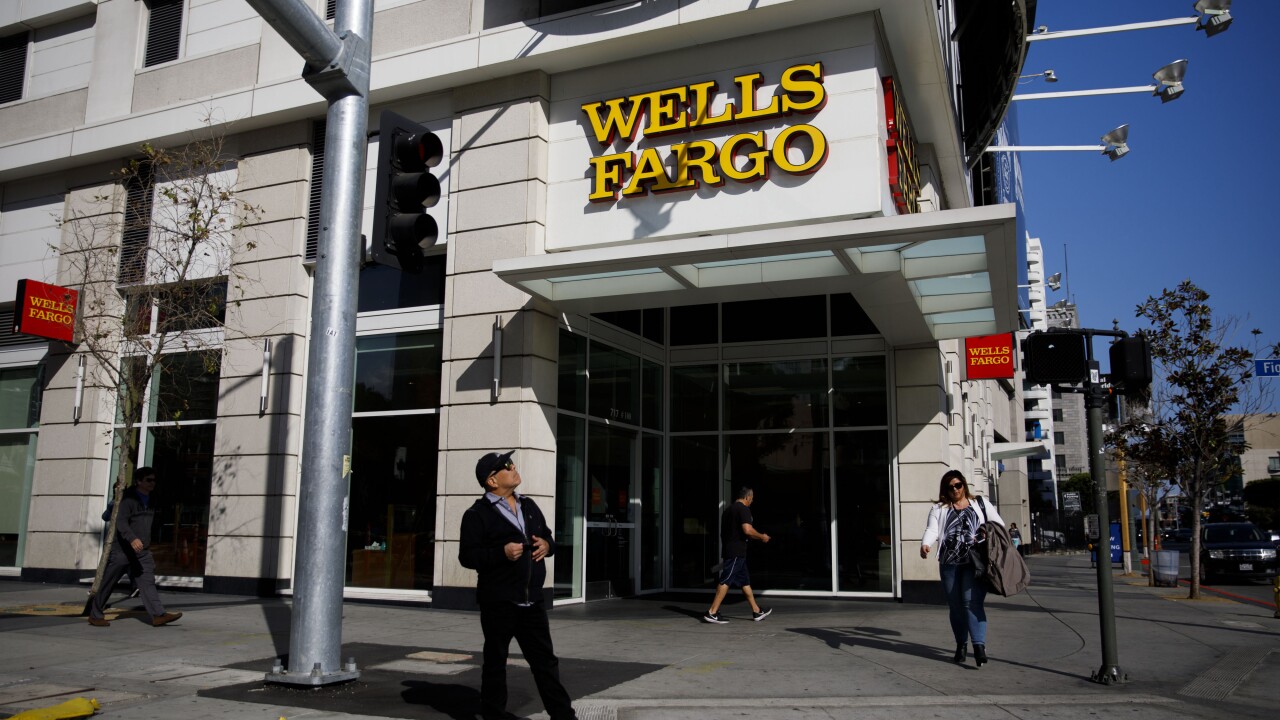
Wells Fargo, beset by a wave of government probes into suspected customer abuses, boosted an estimate for potential legal losses by $500 million.
February 27 -
The Securities and Exchange Commission rejected the banks' arguments that the proposals amounted to shareholder micromanagement and that they have made ample disclosures.
February 26 -

The House Financial Services Committee will hold eight hearings next month, looking at Wells Fargo's recent consumer protection scandals, a reauthorization of the flood insurance program and more.
February 25


STOCK SNAPSHOT
