
Stablecoins
How are banks approaching dollar-backed digital assets (stablecoins)?
Stablecoins have moved from the edge of the
Banks are testing stablecoins for cross-border payments, liquidity management, and digital wallets. Some are also exploring how stablecoins can support interbank transactions or be issued directly by regulated institutions. As the landscape takes shape, stablecoins are starting to look less like an experiment and more like infrastructure.
-
As a new crypto lender, Nexo, launches Monday, the fintechs that lend money to people based on the digital currency they own say they're doing well even when cryptocurrency values plummet.
 April 30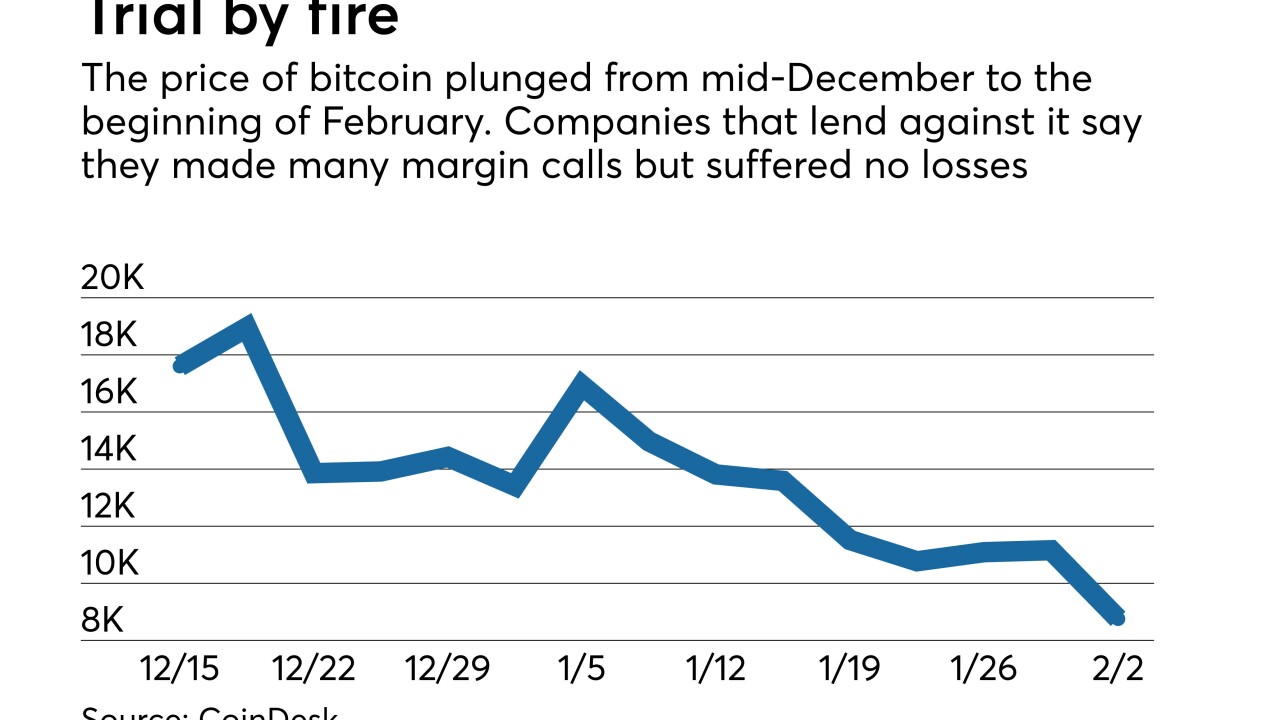
-
In addition to changing the name of the Consumer Financial Protection Bureau, the acting director wants to also nix public complaints; the good, bad and ugly in Zelle's ascendance; a case study for digital outage recovery; and more from this week's most-read stories.
April 27
-
Financial institutions engaged in virtual currency markets face a number of risks — proceeding carefully is justified.
April 27 Hogan Lovells
 -
The future of blockchain is still unclear, but what is clear is that it is set to improve the aviation industry as a whole. And those who are the early adopters will have the greatest opportunity to influence the changes it will bring, writes Gediminas Ziemelis, chairman of the board of Avia Solutions Group.
April 26 Avia Solutions Group
 -
The Florida-based CUSO is the latest to sign on with the distributed ledger technology scheme for credit unions.
April 25
-
Iran’s central bank prohibited domestic financial institutions from handling virtual currencies, citing money-laundering concerns, as it seeks to ramp up control over the nation’s currency markets.
April 23
-
JPMorgan Chase is sending signals that its homegrown blockchain, Quorum, is alive and well despite a recent shake-up.
April 23
-
Financial institutions engaged in virtual currency markets face a number of risks — proceeding carefully is justified.
April 23Hogan Lovells -
Citibank finds people need people (at least in a branch). Santander launches a new consumer app, which makes money transfers using blockchain technology. JPMorgan Chase can be an intimidating partner for fintech startups. Plus, Elizabeth Warren’s new mission.
April 20
-
The increase has bought the gains over the two-week period to almost 29%.
April 20


The first three months of the year coincide with the start of President Donald Trump's second term in office. Investors are likely to be more interested in banks' outlooks amid swings in tariff policy than the first-quarter results.


Frequently Asked Questions:
How are banks approaching dollar-backed digital assets (stablecoins)?
Stablecoins have moved from the edge of the crypto, world to the center of policy and banking conversations. As regulators and banks weigh their role in payments, settlement, and reserves, this page follows the developments — from early pilots to proposed legislation.
Banks are testing stablecoins for cross-border payments, liquidity management, and digital wallets. Some are also exploring how stablecoins can support interbank transactions or be issued directly by regulated institutions. As the landscape takes shape, stablecoins are starting to look less like an experiment and more like infrastructure.
Why are banks paying attention to stablecoins?
Stablecoins are increasingly viewed as a potential upgrade to legacy payments systems. Banks are evaluating them for settlement, remittances, cross-border transactions, and tokenized deposit models.Are banks issuing their own stablecoins?
Some are exploring the option. Institutions like JPMorgan (with JPM Coin) and new entrants like PayPal are piloting bank-issued stablecoins, while others are watching regulatory developments before moving forward.How do stablecoins impact compliance and risk?
Issues include KYC/AML enforcement, cybersecurity, operational risk, and how reserve assets are held and reported. Banks exploring stablecoin activity must weigh both technological benefits and regulatory scrutiny.How are regulators responding to stablecoin innovation?
Congress is debating stablecoin-specific bills focused on reserve backing, issuer licensing, and oversight. The Federal Reserve, OCC, and state regulators are also shaping how bank involvement in stablecoin activity is supervised.How are banks using stablecoin?
Banks are using stablecoins to speed up cross-border payments, manage liquidity across global branches in real time, and test new forms of settlement between institutions. Some are integrating stablecoins into retail-facing digital wallets, while others are exploring interbank networks built on tokenized payments. These efforts are less about crypto speculation and more about making money move faster, with greater transparency and fewer intermediaries.- Real-time cross-border payments
- Internal liquidity management
- Retail-facing digital wallets
- Interbank tokenized payment networks
Top banks investing in stablecoin
List of institutions with greatest investment in stablecoin:- JPMorgan Chase – JPM Coin
- Custodia Bank – Avit Tokens
- Citigroup - Citi Token Services
- Societe Generale - USD CoinVertible
- Bank of America - Name yet to be released
- Fifth Third - Name yet to be released
- U.S. Bancorp - Name yet to be released