-
The decrease in jumbo availability accounted for much of the drop in the latest mortgage credit index, as conforming and government offerings were unchanged.
 September 11
-
Artificial intelligence tools will certainly change the way the banking industry operates, but they won't eliminate the need to build your business on a firm foundation of care for employees, customers and shareholders.
September 11
-
Abacus Federal Savings Bank in Chinatown scrambled to reopen in the days following the World Trade Center attacks. The exercise resulted in the bank's first disaster-recovery plan.
 September 11
-
New York's Arrow Financial and Pennsylvania's First Commonwealth Financial were seeing their insurance revenue grow before they announced agency purchases this week. Prior to 2025, banks were shedding their insurance agencies.
 September 10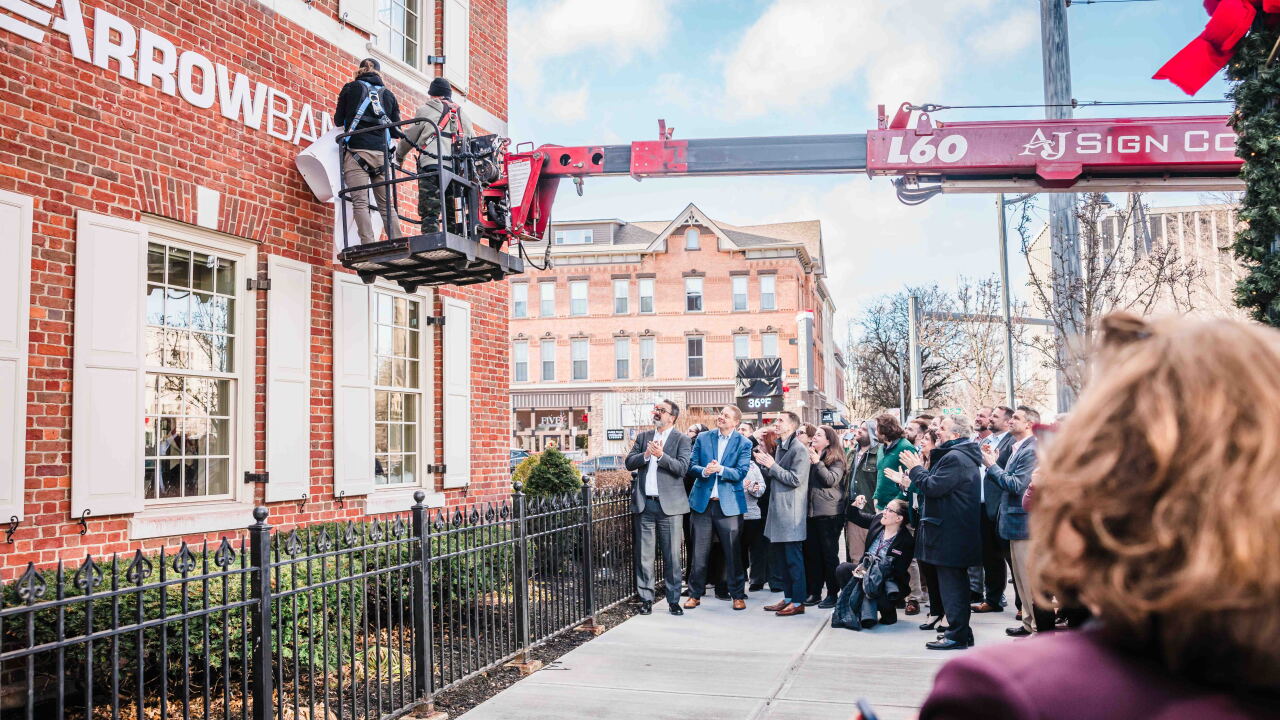
-
The AI company has debuted ChatGPT for Financial Services, an enterprise tool that may threaten the role of junior analysts at investment banks.
 September 10
-
The global rise of online gambling has created a range of new money-laundering risks for banks and other companies, according to the Financial Action Task Force, an international standard-setting organization.
 September 10
-
-
-
-
An agent that takes an unexpected action in the service of achieving its assigned goal can create vulnerabilities that may be difficult to spot in real time. These problems can compound if the agent continues to act within a bank's systems.
September 10
-
A federal judge found SVB Financial's management negligently prioritized yield over safety, allowing the Federal Deposit Insurance Corp. to retain the deposits after the bank's 2023 collapse.
 September 9
-
For months, United Bancorporation of Alabama avoided a public clash with two unhappy shareholders. But after the duo demanded seats on the board of directors, the bank finally clapped back.
 September 9
-
The section of the bill addressing stablecoin rewards is the product of a hard-won bipartisan compromise. Efforts to reword it would not only create confusion, but would seriously endanger its passage.
September 9
-
Researchers showed a message with no return address slips past Reject Direct Send. Credit unions were told to close this kind of gap in 2021.
 September 9
-
The promotion of consumer banking head Brant Standridge to president is the outcome of "an extensive succession planning process," Huntington said. Steve Steinour said he will continue as CEO for around two more years.
September 8
-
Two shareholders at United Bancorporation of Alabama say they've been expressing their concerns for years, to no avail. Now they want seats at the table.
September 8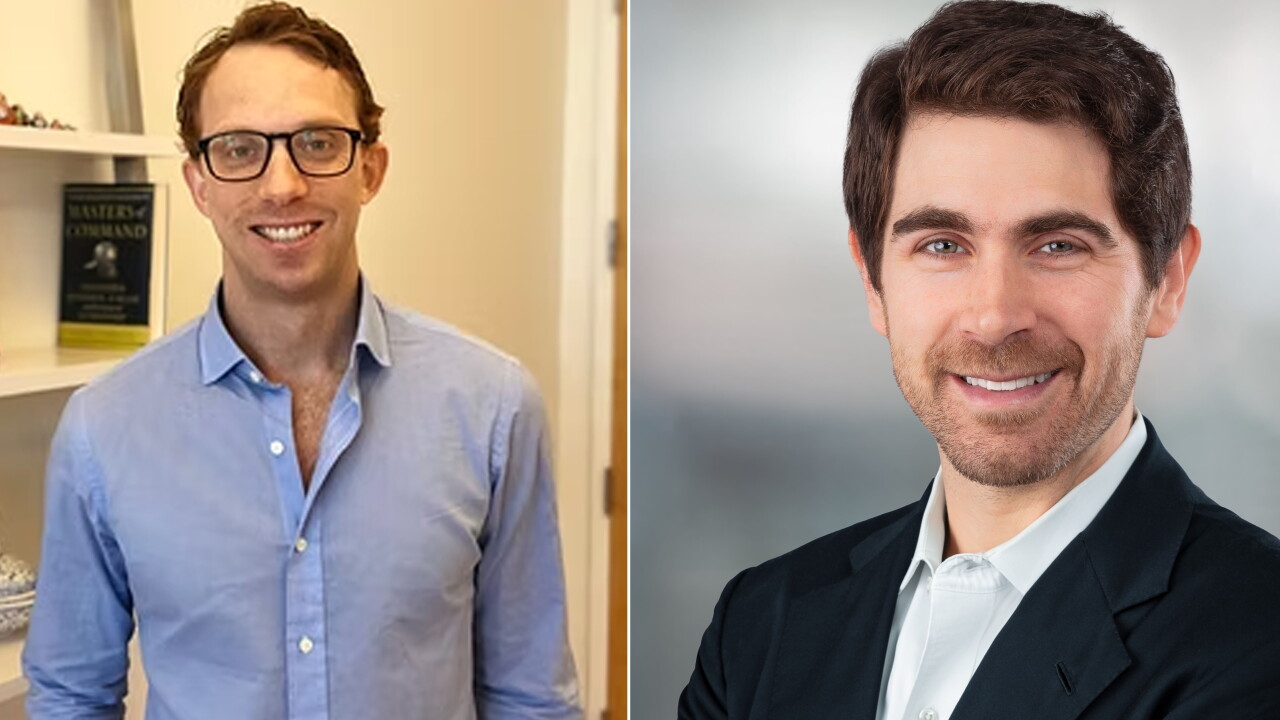
-
The deal announced Monday would diversify EverBank's higher-cost funding model, and it would accelerate WaFd's transition away from its roots as a traditional thrift.
September 8
-
-
Rebecca Kelly Slaughter's firing from the Federal Trade Commission spurred a lawsuit that led to the Supreme Court overturning Humphrey's Executor and ending agency independence. Slaughter says she will continue to work on consumer protection issues.
 September 8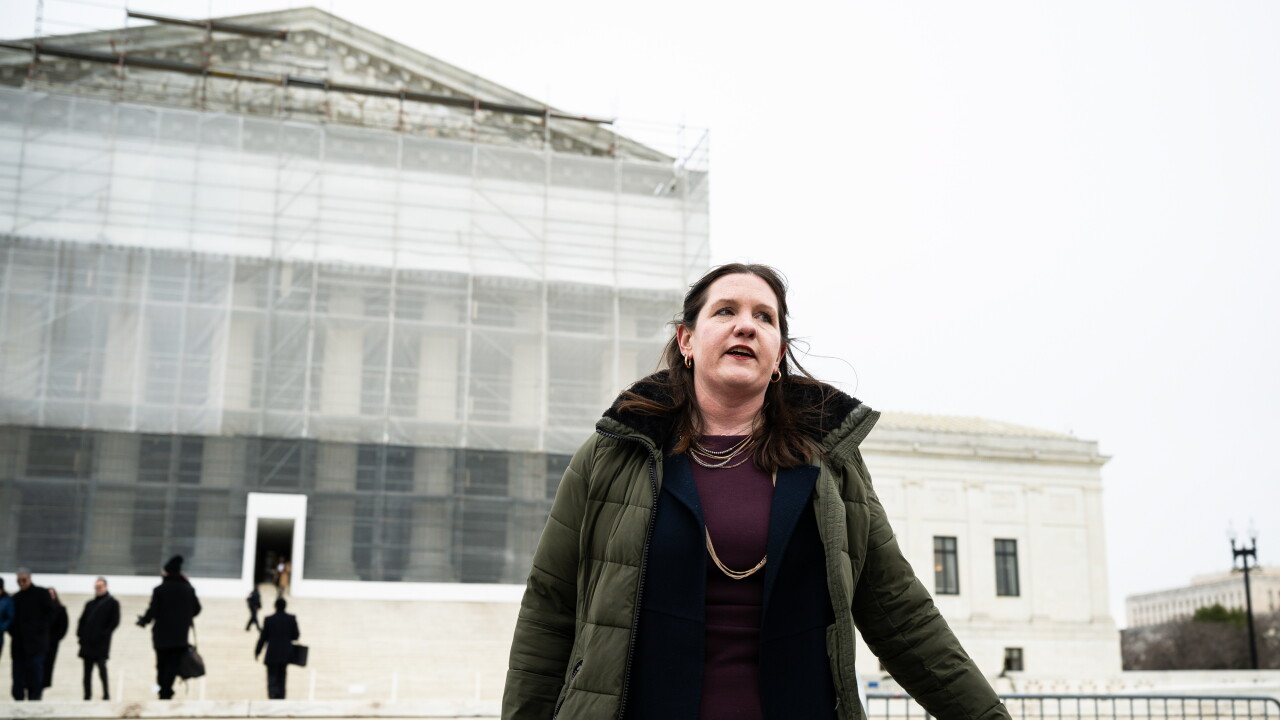
-
Tokenization projects are no longer viewed as modernization initiatives, but rather as a potential source of new revenue, lower operating costs, improved capital efficiency and differentiated products.
September 7


