-
The Iowa company said the coronavirus outbreak and litigation against AimBank will postpone the deal's completion by a few months.
 August 28
 -
Mike Duncan had kept a low profile as chairman of the U.S. Postal Service’s board of governors until it hired Louis DeJoy as postmaster general. Now he is sharing an unwanted spotlight with the embattled DeJoy.
August 28
-
Bankers have long opposed the idea of the U.S. Postal Service taking deposits and making loans directly, but some in the industry are open to the idea of letting banks and credit unions offer services at post offices.
 August 28
-
Bank of America and Clinton Savings Bank in Massachusetts are targeting consumers at a young age and hoping to keep them for life.
 August 28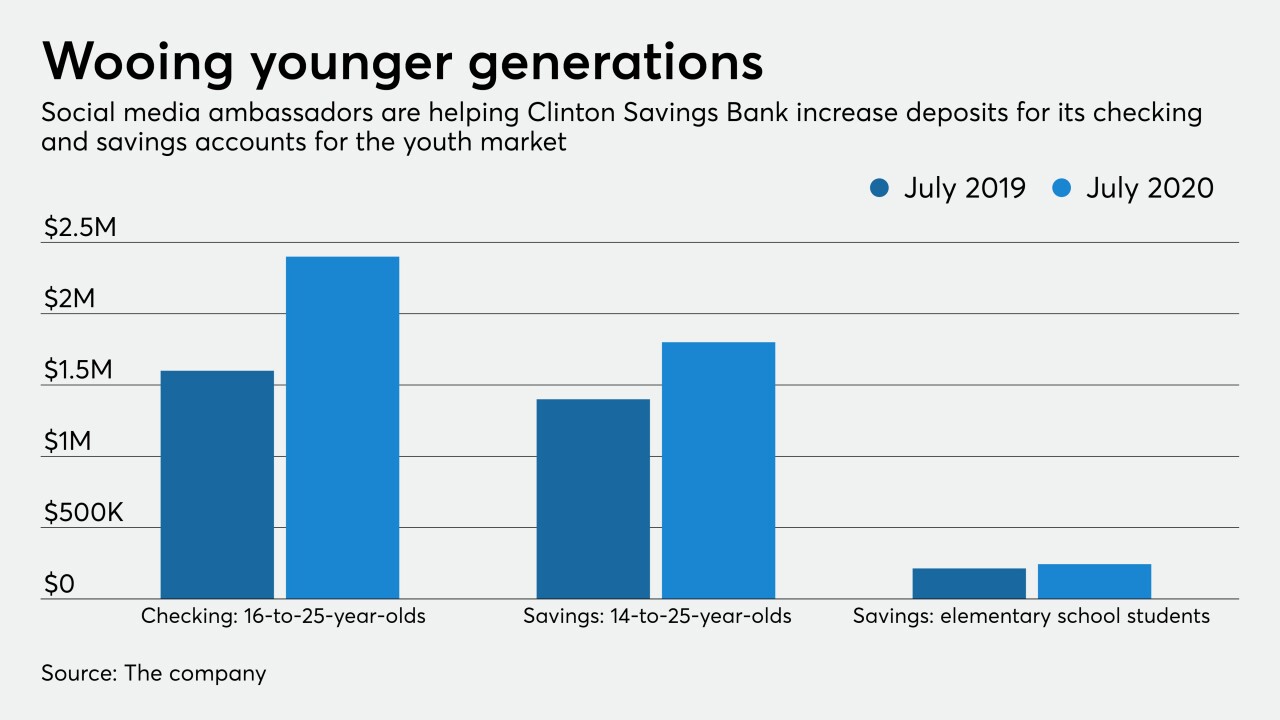
-
Data from the National Credit Union Administration shows that despite a dip during the second quarter, the rate of industry consolidation has not changed dramatically from last year, despite the pandemic.
 August 28
-
The company said migration to digital channels spurred its decision to shutter locations across five states.
 August 28
 -
Why PayPal just deposited $50 million in tiny Optus Bank; ex-Bank of America employees allege 'extreme pressure' to sell credit cards; the Citi snafu may bring fresh scrutiny to custodial banks; and more from this week's most-read stories.
August 28
-
Some customers have complained of limits being slashed by one-third to two-thirds, eroding their ability to borrow in an emergency during a pandemic or potentially hurting their credit scores.
August 28
-
All parts of the payments industry can preserve cash, but mandates may be necessary, says Moorwand's Luc Geuriane.
August 28 Moorwand
 -
Some customers have complained of limits being slashed by one-third to two-thirds, eroding their ability to borrow in an emergency during a pandemic or potentially hurting their credit scores.
August 28 -
The company will use Savoy's midtown Manhattan office to coordinate business development efforts around the city.
 August 28
 -
The move to largely ignore inflation overshoots is likely to mean low interest rates for years to come; Citi, JPMorgan Chase and Morgan Stanley are underwriting the big Hong Kong portion.
August 28
-
Refinancing has been one of the bright spots in a difficult year for lending, and the industry has concerns that a fee to be imposed by Fannie Mae and Freddie Mac could slow down the business.
 August 28
-
-
Branches in the Gulf Coast region largely avoided massive flooding. Now bankers must assess the impact on employees and customers.
August 27
-
New analysis from S&P found that only two of the of the top 20 credit unions that participated in the Paycheck Protection Program loans had assets of less than $1 billion.
August 27
-
A historic charter award defines a new beginning for digital banking, Varo Money becomes the first consumer fintech in US history to gain full regulatory approval to become a national bank

-
The combined Broadway Federal and City First Bank will have more than $1 billion in assets; the country's cyber capabilities have become "dangerously sophisticated."
August 27
-
Institutions serving colleges and universities traditionally see membership surge in the fall, but are now planning for a decline as classes move online.
August 27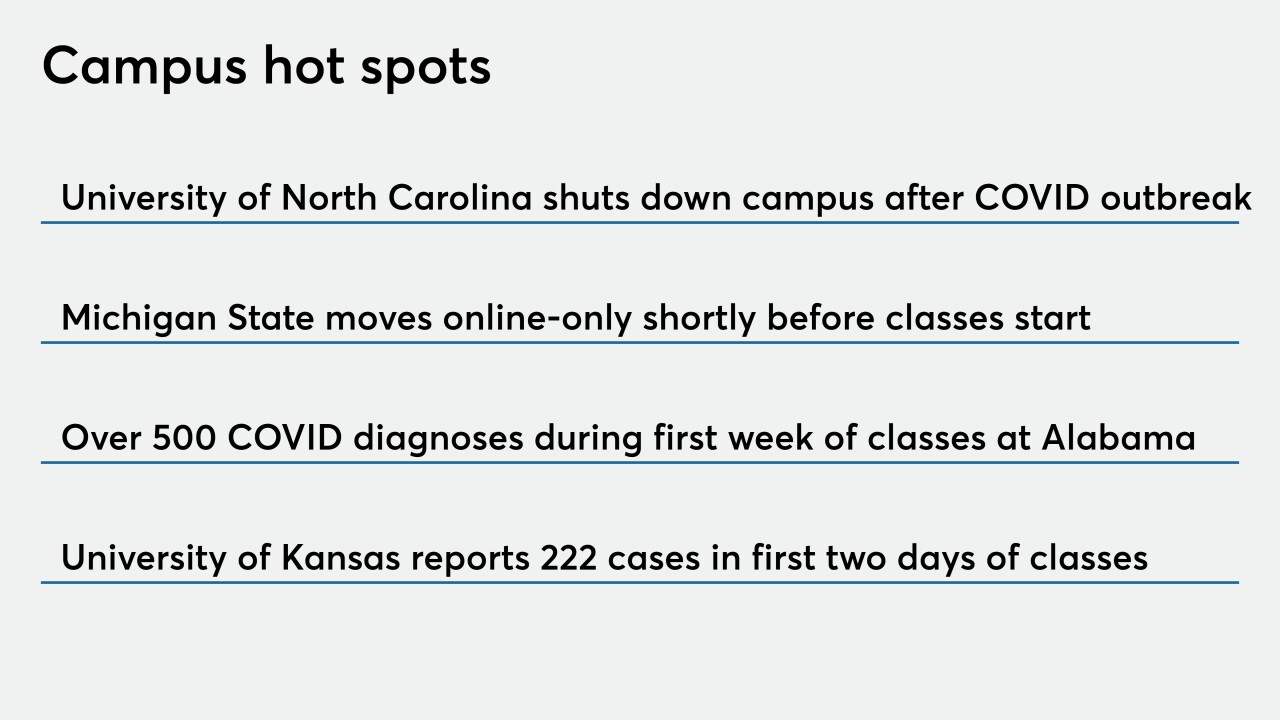
-
Several months after the pandemic took hold, Diebold Nixdorf and NCR have adopted an ATM recovery strategy that stresses contactless access as well as innovations that are similar to other industries that traditionally rely on kiosks.
 August 27


