
Earnings
Earnings


-

Chancellor of the Exchequer Jeremy Hunt plans to cut a surcharge on U.K. bank profits, effectively shielding them from the bulk of an increase in the country's corporate tax rate as the government tries to preserve the competitiveness of Britain's finance industry.
November 9 -
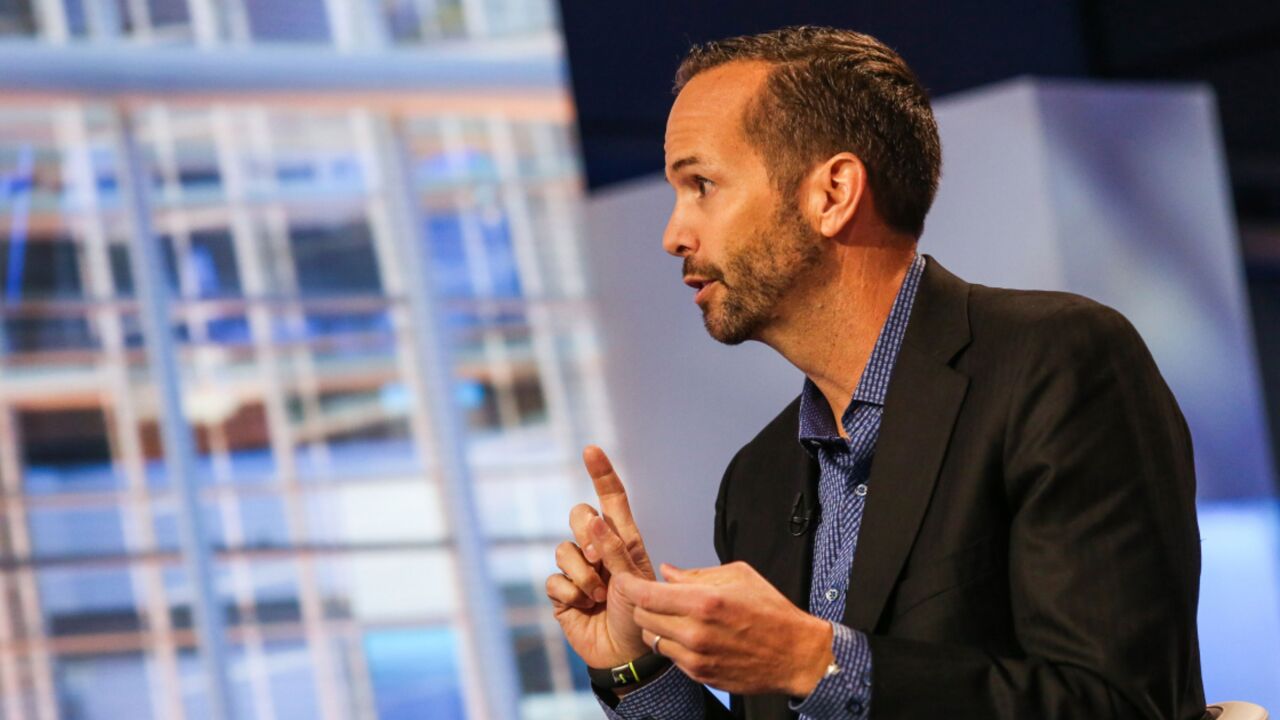
During the third quarter, revenues at the online consumer lender fell by 31% from the previous three months. CEO Dave Girouard expressed dissatisfaction but also argued that the company's lending model is working as intended.
November 9 -
 AB - Technology
The fintech reported on its third-quarter earnings call that tightening its credit standards has already improved delinquency trends.
November 8 -

The state's largest banks posted solid third-quarter loan growth and earnings. But Hawaii's tourism-heavy economy is vulnerable to lofty inflation and the threat of a downturn.
November 4 -

In a departure from its decadelong strategy of embedding itself directly in merchants' checkouts — and a bid to add value — PayPal is launching support for Apple Pay and Apple's Tap to Pay.
November 4 - AB - Technology
The consumer lending fintech is continuing to branch away from its original student loan refinancing gig to drive revenue and beat analysts' predictions.
November 2 -

The shift in refi behavior — in the wake of multiple Federal Reserve interest rate hikes — helped fuel a loan growth trend that's expected to continue through year-end.
November 1 -

Some of the U.K.'s biggest high street banks are bracing themselves for trouble.
October 28 -

The San Antonio bank reported higher deposit costs, along with larger deposit volumes, during the third quarter.
October 27 -
 AB - Technology
The consumer lending fintech held about one-third of its loan originations on its balance sheet and fortified its deposit base this quarter.
October 27 -
The credit card issuer is still dealing with the effects of a technical glitch in July that affected customer payment rates. But card sales rose in the most recent quarter, and the company is bullish about its positioning in the buy now/pay later market.
October 27 -

Credit Suisse Group reported its fourth straight loss as its investment bank continued to struggle, wealthy clients fled and the lender booked a charge related to a critical overhaul that's been in the making for months.
October 27 -

Eighteen months after the $2.6 billion deal was announced — and five days before the Oct. 31 deadline — New York Community is still waiting for regulatory approval to buy the Michigan bank. On their joint earnings call, the companies wouldn't say where the deal stands.
October 26 -

Strong commodity prices and jumps in energy production fuel the Oklahoma bank's upbeat outlook for continued loan demand, despite inflationary pressures and high interest rates.
October 26 -

Banco Santander said rising costs linked to inflation could leave it short of its efficiency goal for the year while worsening credit quality trends in Brazil were also in focus, even as the lender's earnings beat analysts' expectations.
October 26 -

"Right now, we are seeing nothing but stability," Visa CEO Al Kelly said. But the card network is hedging its bets against a broad downturn by diversifying its opportunities and accelerating new use cases and markets for direct debit payments.
October 26 -

The Indiana company reported strong growth in profits and loan income, and it hopes its addition of more than two dozen wealth management and commercial banking specialists will help beef up what one analyst called "softer than expected" noninterest income.
October 25 -

Visa and its rivals have seen spending increases cool with inflation soaring to once-in-a-generation levels.
October 25 -

Buoyed by robust lending through the third quarter, Discover Financial Services has tightened lending criteria slightly but expects charge-offs to remain low. However, inflation meant this growth has come at a higher cost in recent quarters.
October 25 -

HSBC Holdings named Georges Elhedery as its new chief financial officer, setting up the bank's former markets boss as a potential front-runner to eventually replace CEO Noel Quinn.
October 25


