
Fraud
Fraud


-

Identity fraud holds no prisoners when it comes to payments. If a fraudster gets hold of a consumer's credentials, everything from mobile wallets, to a checking account, savings account or P2P account is in jeopardy of takeover.
June 10 -
Anita Gail Moody, who was president of Enloe State Bank, admitted to creating phony loan documents — and setting a fire to destroy them — before the bank was shuttered in May 2019.
June 9 -

Financial institutions and prepaid card providers have played an unwitting role in scams that have stolen billions of dollars from state unemployment insurance programs, whose payouts soared after coronavirus shut down the economy.
June 9 -
Banks and prepaid card providers have played an unwitting role in scams that have stolen billions of dollars from state unemployment insurance programs, whose payouts soared after coronavirus shut down the economy.
June 8 -
An open, extensible platform is crucial to quickly discover and prevent automated attacks, and also to be able to immediately import these findings to their existing security infrastructure for log analysis and reporting, says Cequence Security's Matt Keil.
June 5 -
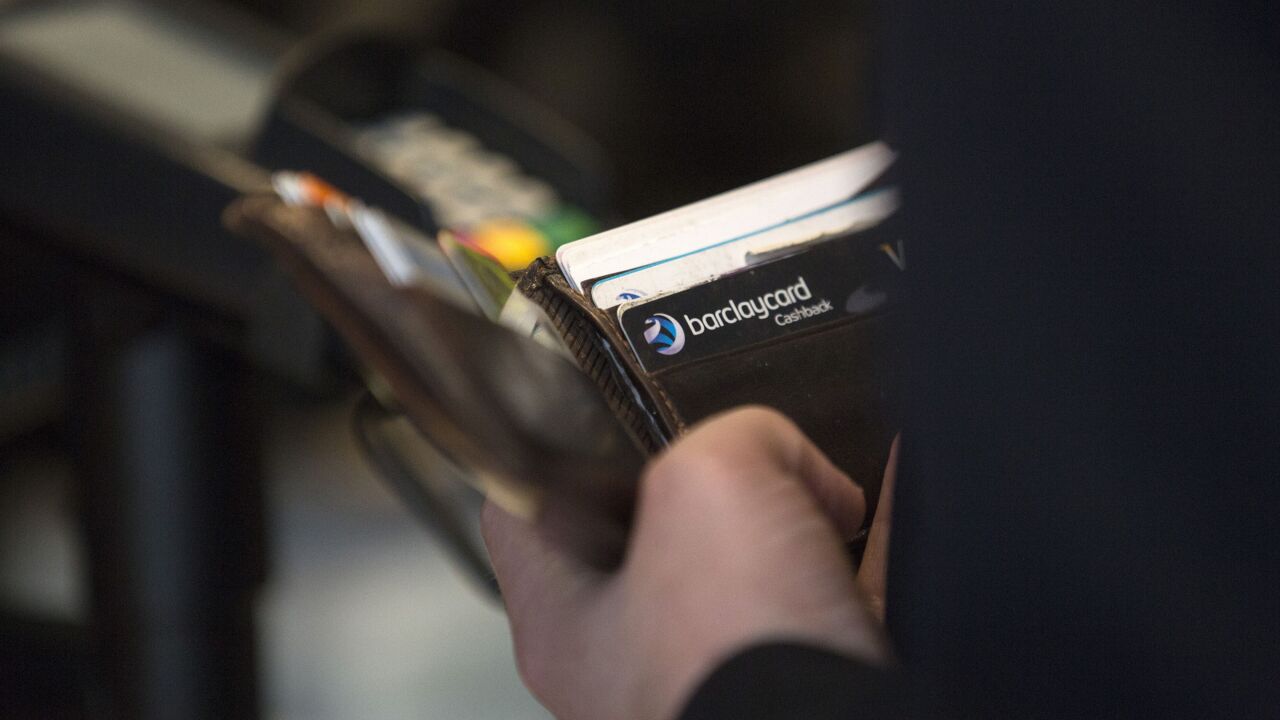
Digital fraud protection provider Kount will be offering real-time fraud screening using adaptive artificial intelligence and machine learning to help Barclaycard’s business clients prepare for Strong Customer Authentication (SCA) requirements, which are part of Europe’s PSD2 directive.
June 2 -
By targeting the API rather than scripting a form fill, bad actors are leveraging the same efficiency and flexibility that APIs provide developers, says Cequence Security's Matt Keil.
June 1 -
The security method offers real-time authentication checks to combat phony chargebacks, says PAAY CEO Yitz Mendlowitz.
June 1 -
Merchants should also monitor fraud by channel, to see how much each channel contributes to total fraud losses, Bernardo Lustosa of ClearSales says.
May 29 -
Relationships with third party suppliers and regulators have never been more important, says says Genpact's Manish Chopra.
May 28 -

The JPMorgan CEO says the recovery has to start first, and future buybacks won’t be as big as before; Texas Capital Bancshares and Independent Bank blame the coronanvirus market impact.
May 27 -

New authentication methods make it harder to fake biometrics, Eric Setterberg of Fingerprints argues.
May 26 -
The bank is trying to recover millions of dollars in returned deposits. It also has a $14 million loan to the company that allegedly conducted the scheme.
May 26 -

When a bank subscriber to Sure Profile pulls a credit report on an applicant for a loan or account, Experian will check to see if the identity data matches a real person.
May 22 -
New authentication methods make it harder to fake biometrics, argues Fingerprints' Eric Setterberg.
May 22 -

Fraudsters are licking their chops at the prospect of businesses and financial services extending remote working because of the coronavirus pandemic.
May 22 -

Customers normally receive debit and credit cards inside a branch. Now banks are shifting the process to their drive-throughs and finding alternative ways for cardholders to key in their PINs.
May 21 -

A Manhattan man was charged by federal prosecutors with fraudulently trying to obtain more than $20 million in government loans intended to aid small businesses affected by the coronavirus pandemic.
May 21 -

Artificial intelligence and machine learning are some examples of technology available now to help combat money launderers profiting from the pandemic.
May 21 -
First Data Merchant Services LLC and a former executive agreed to pay more than $40 million to settle a claim by the Federal Trade Commission that the company processed payments and laundered credit card transactions for scams targeting hundreds of thousands of consumers.
May 20


