-
The retail giant ignored fraudsters’ use of its money transfers in consumer scams that cost victims hundreds of millions of dollars, according to the Federal Trade Commission. Walmart called the agency’s lawsuit “factually flawed and legally baseless.”
 June 29
-
The lender has been struggling with a series of scandals that have sent its shares to near-record lows, and may face a second criminal indictment in an unrelated case later this year.
June 27
-
The fintech Wise said the Financial Conduct Authority has commenced an investigation into Chief Executive Officer Kristo Kaarmann almost a year after he was fined by HMRC for deliberately defaulting on his taxes.
June 27
-
A panel of FINRA arbitrators unanimously ordered the award against the megabank based on Erin Ann Daly’s claims of gender-based discrimination.
 June 26
-
Karl K. Klessig provided a fraudulent loan document and forged a signature in an application last year to acquire control of Golden Pacific Bancorp, according to the Federal Reserve.
 June 24
-
With global tensions rising over Ukraine, the cutthroat competitiveness of the U.S. financial sector is yielding to partnership over the conviction that a cyberattack against even a group of minor banks — or a third-party service provider — could imperil everyone in a highly connected system.
June 24
-
The U.S. Department of Education agreed to erase nearly $6 billion in student loans for borrowers who filed a class action lawsuit against the government after attending for-profit colleges that were found to have misled students.
June 23
-
Court-appointed custodian Alfred Putnam is seeking an extension of nearly three weeks to give more groups time to nominate candidates for a vacant board seat at the Philadelphia bank and solicit proxies from investors before a special meeting.
 June 21
-
The data breach, which occurred over a two-day period last December, is the largest disclosure by a mortgage lender this year.
 June 21
-
It took less than a day for Citigroup’s now-infamous payment error to Revlon lenders to come up in the cosmetics giant’s bankruptcy.
June 17
-
Federal prosecutors in Manhattan are investigating the bank over allegations that it conducted so-called fake interviews with nonwhite and female job applicants, The New York Times reported Thursday.
June 9
-
The prepaid card issuer has now paid a total of $18 million to Republic Bank & Trust, which sued after Green Dot's purchase of its tax-refund business unraveled.
June 7
-
An Oct. 7 trial date looms in a case involving allegations of document destruction. The high-stakes lawsuit could complicate BMO's pending acquisition of Bank of the West.
June 6
-
Though costly, Wednesday’s settlement brings the $11.2 billion-asset company a step closer to resolving legal and regulatory issues that have hampered it since 2019.
June 3 -
Edward Shin, the onetime CEO of Noah Bank in Pennsylvania, was found guilty of charges related to loans the bank made to businesses in which he held a stake.
June 2
-
Davidson County Chancery Court Judge Patricia Moskal ruled that Orion Federal Credit Union’s acquisition of Financial Federal Bank is legal under Tennessee law. The decision provides a road map for courts in other states to follow for similar M&A deals.
 June 2
-
-
District attorneys in the Golden State are tangling with Credit One Bank over its debt-collection practices. The bank says the prosecutors have overstepped, but Democratic Attorney General Rob Bonta argues that the legal action should continue.
May 31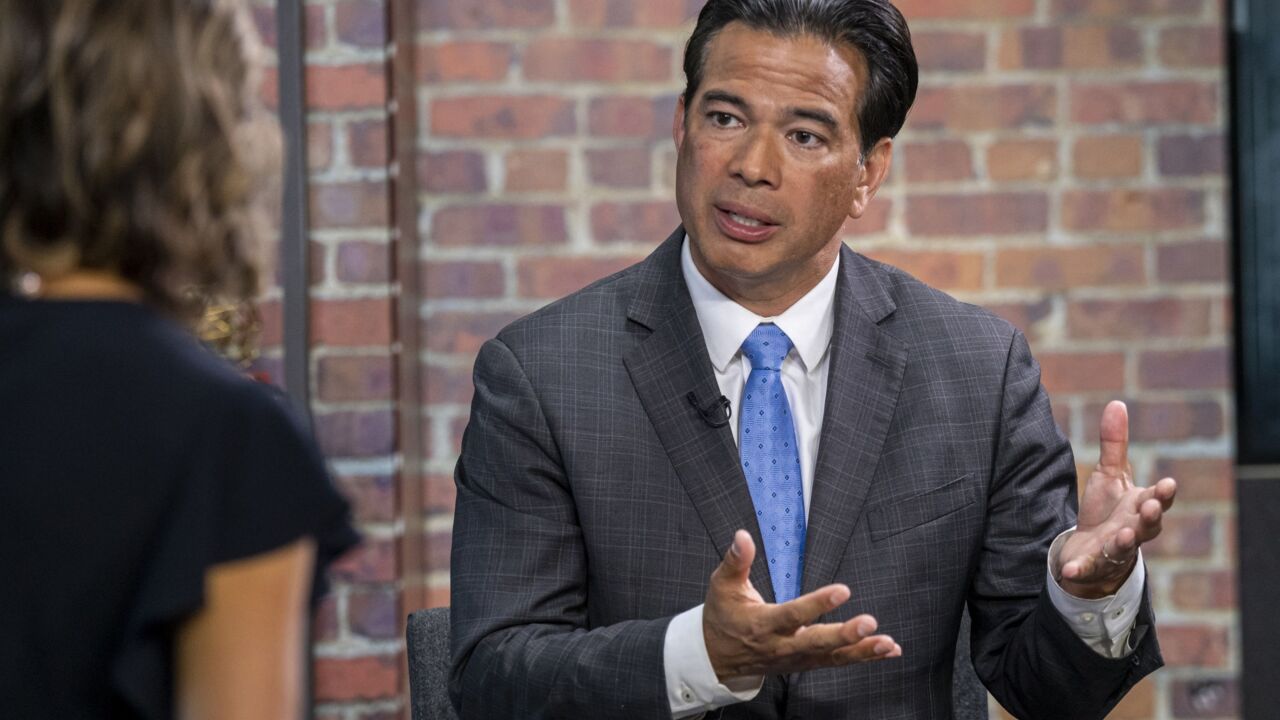
-
The National Credit Union Administration barred three former credit union employees from participating in the affairs of any federally insured depository institution.
May 31
-
A recent California Supreme Court decision means that lenders can be on the hook for consumers’ attorney fees in situations where car dealers defraud them. The case involved TD Auto Finance and a dealer that allegedly sold a vehicle without certain advertised features.
May 30


