-
The agency wants more information as it conducts fair-lending exams, but conflicting statutes make writing a data collection rule difficult.
 September 21
-
The Consumer Financial Protection Bureau issued an interpretive rule Friday to clarify changes made to the Home Mortgage Disclosure Act that were mandated by President Trump's regulatory relief law.
August 31
-
The Office of the Comptroller of the Currency’s questions for the public to comment on the decades-old law could illuminate a path forward as regulators struggle to agree on an updated policy.
 August 30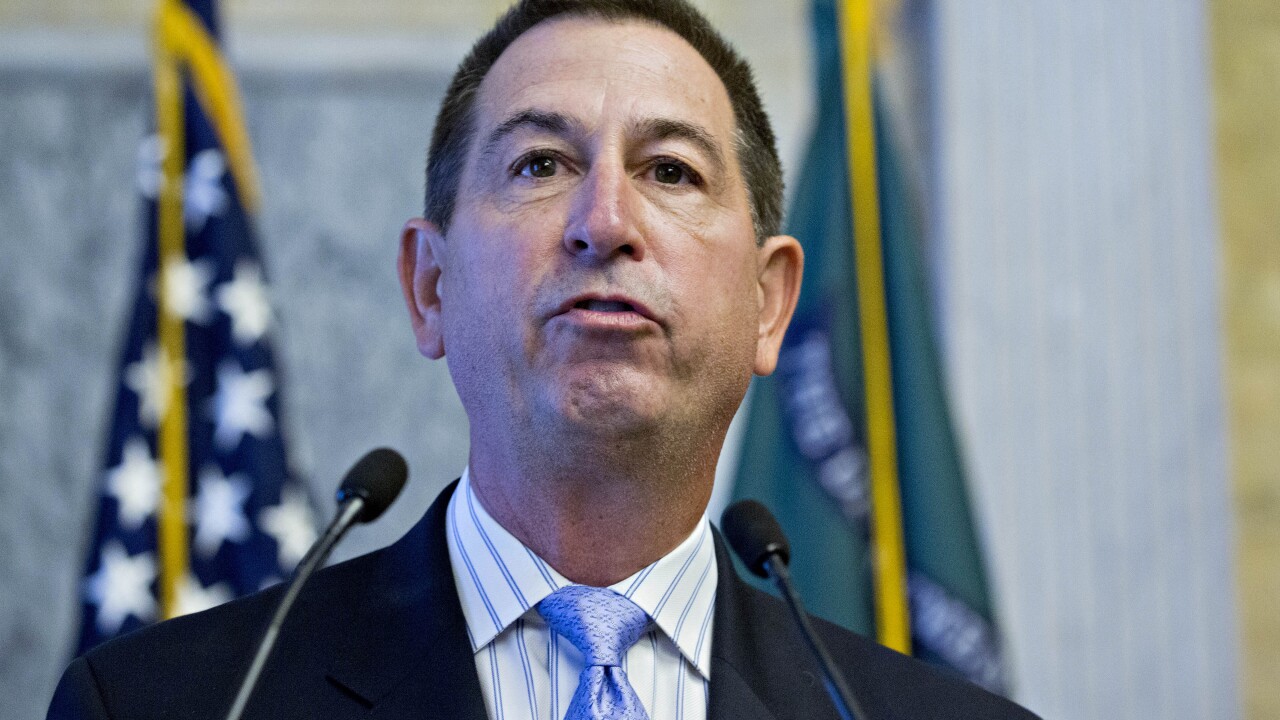
-
The Supreme Court upheld using “disparate impact” over three years ago. But with HUD weighing a policy change, banks and advocacy groups are still at odds over the court decision.
August 29
-
The Trump administration has argued that the Affirmatively Furthering Fair Housing rule, issued in 2015, was too prescriptive.
August 13
-
The banking industry lost a key battle in the Supreme Court over the use of “disparate impact,” but legal observers see potential for the tide to turn if Judge Brett Kavanaugh is confirmed.
July 23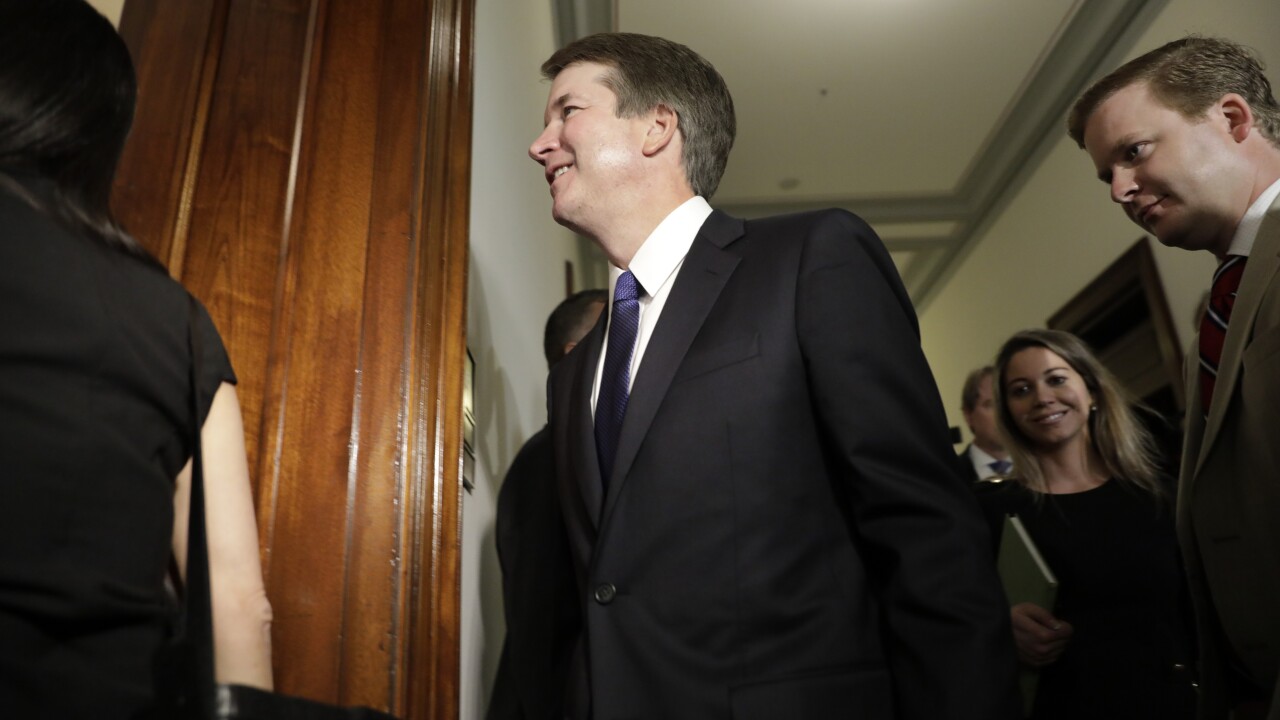
-
Courts have validated the legal theory behind punishing lenders for unintentional discrimination, but the Trump administration has shown interest in revising the Obama-era policy.
June 20
-
The Community Reinvestment Act needs to be updated, but in doing so Congress should remember why the law was created in the first place, argues Rep. Gregory Meeks.
June 19 D-N.Y.
 -
Rep. Cedric Richmond, D-La., the CBC's chair, requested with a meeting with the comptroller of the currency to "enlighten" him about discrimination in banking.
 June 19
 -
After a long battle with the Justice Department over redlining charges, KleinBank caved as legal costs soared.
 May 9
May 9
-
Sixty-four consumer groups are speaking out against a Senate measure, expected to be voted on this week, that would overturn the Consumer Financial Protection Bureau's 2013 regulation on discriminatory pricing by auto lenders.
April 16
-
A bill passed by the House would raise the threshold that allows smaller banks and credit unions to avoid expanded Home Mortgage Disclosure Act requirements imposed by a 2015 rule.
 January 19
-
Alternative data can be beneficial for individuals locked out of the financial system’s more conventional data types, but such data is open to manipulation or biased interpretation.
December 7 IBM Global Business Services
 -
In a new book, Mehrsa Baradaran argues that the same forces of poverty that African-American banks were supposed to alleviate are now holding them back.
 September 25
-
The credit card issuer paid $95 million to settle charges it offered inferior terms to customers in American territories; Mitsubishi UFJ wants to become a top 10 U.S. bank.
August 24
-
Efforts to repeal a Dodd-Frank mandate for lenders to report data on small-business applicants — including race and ethnicity — overlook the benefits of the provision to both communities of color and banks.
July 28 The Greenlining Institute
 -
The promise of fintech is that it might offer underbanked consumers access to financial products. But some are worried that relying on algorithms to make credit decisions could open up problems of its own.
June 30
-
While the courts have affirmed cities’ right to file predatory lending suits, they are also now holding them to a much higher standard in proving that banks knowingly steered minority borrowers into high-cost home loans.
 June 14
-
The city joins a growing list of municipalities that have filed similar lawsuits, just two weeks after the Supreme Court ruled that municipalities have standing to sue lenders under the Fair Housing Act.
May 15
-
Fintech companies can help consumers and small businesses obtain credit at lower costs, but it is critical to ensure that these innovative companies do not harm borrowers with predatory or discriminatory lending practices.
April 13 U.S. House of Representatives


