
Regulation and compliance
Regulation


-

The regulator's action indicates that — after years of overhauling its operations — the bank has finally shown it's in compliance with the agency's standards on sales conduct.
February 15 -
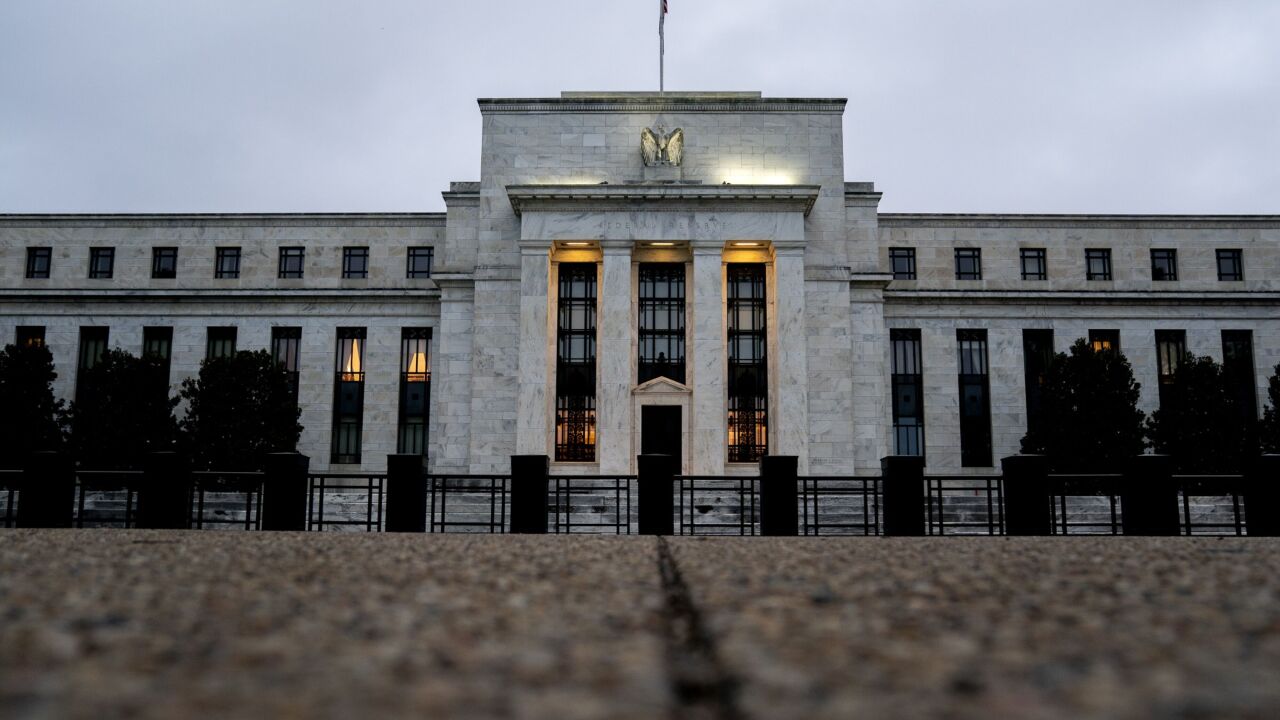
The Federal Reserve Board's 2024 stress test scenario posits severe market volatility, widening corporate bond spreads and significant declines in asset prices. The scenario comes alongside new exploratory analyses probing additional risks for the first time.
February 15 -

The proposed implementing rule will squeeze credit for entrepreneurs and small businesses, adding more barriers to their success in an already-tight lending environment.
February 15 -

Federal Reserve Vice Chair for Supervision Michael Barr Wednesday downplayed the significance of recent turmoil at New York Community Bank, noting that liquidity and stability in the banking system is in "much better shape than it was last spring."
February 14 -

The major U.S. card networks are pursuing financial inclusion in Egypt, the Reserve Bank of India works to bring central bank digital currencies to more users, and other news in this week's global roundup.
February 14 -

New regulations involving cryptocurrency and the results of key elections will impact the industry's success this year.
February 14 -

When the 2018 Dodd-Frank reform bill lifted the asset bar for enhanced prudential standards for banks from $50 billion to $100 billion, few thought it was controversial. Recent turmoil among regional banks suggests the change may have created as many problems as it solved.
February 13 -

The Financial Crimes Enforcement Network Tuesday proposed a rule to include investment advisors in the compliance regime under the Bank Secrecy Act, aiming to close regulatory gaps exploited by criminals.
February 13 -

The megabank recently received three notices of matters requiring immediate attention, and it also failed regulatory exams, Reuters reported. Since 2020, Citigroup's regulators have been pressuring the company to clean up its risk management systems.
February 12 -

Heartland Tri-State Bank, which failed after its CEO allegedly embezzled money to fund cryptocurrency investments, had received $21 million in advances from the Federal Home Loan Bank System.
February 12 -

Fintechs that "bank" children and teens should collect far less data about their young users, erase it sooner and be more transparent in policies that are often buried, say privacy advocates.
February 12 -

American Honda Finance Corp., the financing division of carmaker Honda, says that the Consumer Financial Protection Bureau sent it a "civil investigative demand" connected to the "furnishing of credit reporting information on consumer accounts."
February 12 -

The nation's largest credit union allegedly engaged in racial discrimination resulting in calls for further investigations and regulations. Had Navy Federal been subject to the Community Reinvestment Act it may have avoided this problem.
February 12 -

The cybersecurity leaders argued in a recent court briefing that the SEC's lawsuit against the SolarWinds CISO could harm the profession at large.
February 11 -

In a surprise move this week, banking veteran Sandro DiNello was appointed executive chairman of the embattled Long Island-based company, whose stock plummeted in the face of questions about its financial health.
February 9 -

Policymakers should ignore the legislative calendar and draft a proposal that will stand up to bipartisan scrutiny, even if it takes time.
February 9 -

The consumer lender CURO Group says that its agreement with bondholders gives it a 30-day grace period, and that negotiations on a broader restructuring are continuing. The company has lost money in recent years as it shifts away from traditional payday lending to larger installment loans.
February 9 -

Jeremy Kress, a law professor at the University of Michigan, filed a petition for rulemaking to two bank regulators, asking them to adopt an unaffiliated director standard for larger banks to address conflicts of interest between banks and their holding companies.
February 8 -

The bureau is threatening to change its stance and classify EWA programs as loans. This is unwise and will harm consumers.
February 8 -

Banks historically have been averse to challenging their regulators in court, but a suit over the recently finalized Community Reinvestment Act implementation rules is a signal that the times have changed.
February 7


