
Regulation and compliance
Regulation


-

U.K. regulators rule on complaints about bias from politicians, Brazil's Ebanx extends to India and more in our weekly financial news roundup.
September 20 -
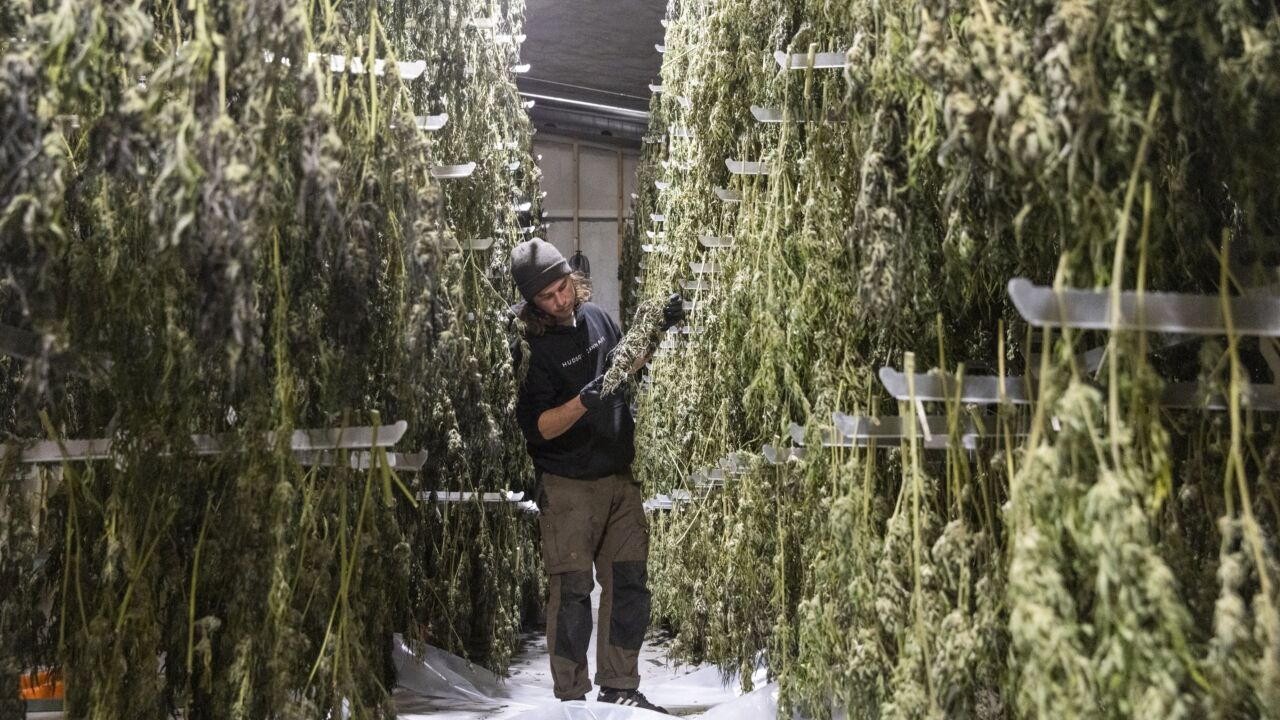
As cannabis becomes more and more commonplace, reasonable people might wonder why Congress hasn't made it easier for banks to serve legal cannabis businesses. But maybe giving big banks and capital markets a green light to dive into cannabis with both feet is an outcome worth avoiding.
September 19 -

The Consumer Financial Protection Bureau issued guidance on the use of artificial intelligence in credit underwriting, saying that creditors are relying too heavily on a CFPB checklist and sample forms when they should provide specificity to explain why a consumer is denied credit.
September 19 -

The nine-part guidance establishes best practices for financial institutions that want to pursue carbon-neutral strategies. In a speech, the Treasury secretary cautions firms against being "left behind."
September 19 -

A proposal by Sen. Josh Hawley to cap credit card interest rates deserves to be taken seriously, but requires far more detail than the legislative language provides.
September 19 -

An increase in U.S. commercial banks' borrowings suggests they're uncomfortable losing any more reserves as depositors seek better returns elsewhere, according to Citigroup analysts.
September 18 -

A recent report by the Office of the Inspector General for the Federal Deposit Insurance Corp. suggests that while the FDIC's strategic plan for economic inclusion is satisfactory, it could be improved by formalizing procedures, self-evaluations and gathering more input from banks.
September 18 -

Treasury's Financial Crimes Enforcement Network said most small businesses will need to report information about their beneficial owners at the start of next year; certain financial and government entities are exempt because of their preexisting regulatory requirements.
September 18 -

PayPal's new stablecoin offering should be setting off alarms at traditional banks, because it could seriously challenge their dominance in the payments space.
September 18 -

In the absence of any federal cover to provide banking services to cannabis businesses, banks have developed strategies to service those customers anyway. But experts are divided on whether that adaptation obviates the need for comprehensive federal legislation like the Secure and Fair Enforcement Act.
September 17 -

The Senate Banking Committee is expected to mark up the Secure and Fair Enforcement Act, or SAFE Banking Act, the week of Sept. 25.
September 15 -

The American Bankers Association found that 89% of the banks it surveyed feel that social media is important. But there is room for improvement in their practices.
September 15 -

Carrie Tolstedt, the company's former retail banking chief, was sentenced to three years of probation, including six months of home confinement. A federal judge detailed why she denied the stiffer sentence sought by federal prosecutors, who wanted to send a message about the consequences of white-collar crime.
September 15 -

While proponents of a central bank digital currency tout modernity and financial inclusion, House Financial Services Committee members of both parties fear lending could suffer under a digital dollar and are wary of handing the Federal Reserve even more power.
September 15 -

Former Deutsche Bank investment banker Rashawn Russell, who has denied defrauding investors in a cryptocurrency fraud, appears ready to change his mind and plead guilty to fraud charges, court records show.
September 15 -
Carrie Tolstedt, scheduled to be sentenced Friday for her role in the company's phony-accounts scandal, has already paid for her crime and should receive three years probation, her attorneys argue in a sentencing memo. Prosecutors have recommended a year in prison.
September 14 -

Rep. Andy Barr, R-Ky., pressed one witness to say that bank regulators' Basel III endgame proposal, which would raise capital significantly for the largest banks, may have violated the Administrative Procedure Act.
September 14 -

The secretive world of private credit is increasingly being funded by public money, and there will be no FDIC there to bail us out when things go bad.
September 14 -

The Biden administration tapped Adriana Kugler, executive director of the World Bank and a professor at Georgetown, to fill a seat on the Board of Governors that had been vacant since February.
September 13 -

A joint letter from the banking and financial trade groups is the latest effort by the industry and its representatives in Washington to push back against the Basel III capital proposals, which would raise capital significantly for the largest banks.
September 13


