
Regulation and compliance
Regulation


-
The $2 trillion stimulus package, which the House passed earlier in the day, aims to expand Federal Reserve liquidity resources and provide financial institutions with some regulatory relief.
March 27 -

Many argue the economic turmoil from the pandemic makes the Comprehensive Capital Analysis and Review irrelevant this year, while others say testing banks’ capital strength is crucial now more than ever.
March 27 -

The $2 trillion stimulus package, which the House passed earlier in the day, aims to expand Federal Reserve liquidity resources and provide financial institutions with some regulatory relief.
March 27 -

Citigroup CEO says it’s a “fine line” between supporting customers and burdening them with debt; Goldman gives away 600,000 N95 masks it had from prior scares.
March 27 -
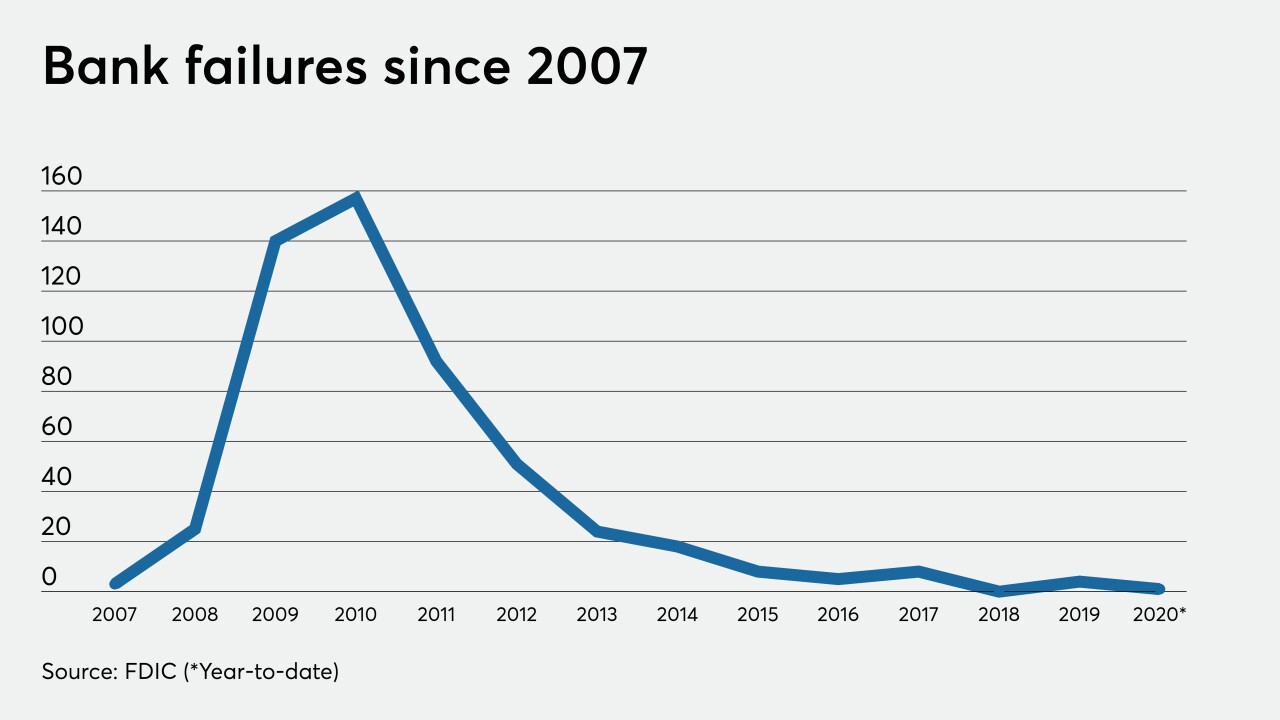
An uptick in closings is likely, but how many institutions go under and how fast will depend on a variety of factors, including the duration of the pandemic.
March 26 -
The regulator's extension for first-quarter documents applies to BHCs with less than $5 billion in assets.
March 26 -

The reprieve from mortgage data collection was among several changes to the agency’s supervisory and enforcement procedures to help firms responding to the COVID-19 pandemic.
March 26 -

Details of the $2 trillion deal were still fluid Wednesday, but lawmakers were closing in on a plan that would aim to put lenders and consumers alike on stronger financial footing as they weather the coronavirus pandemic.
March 25 -
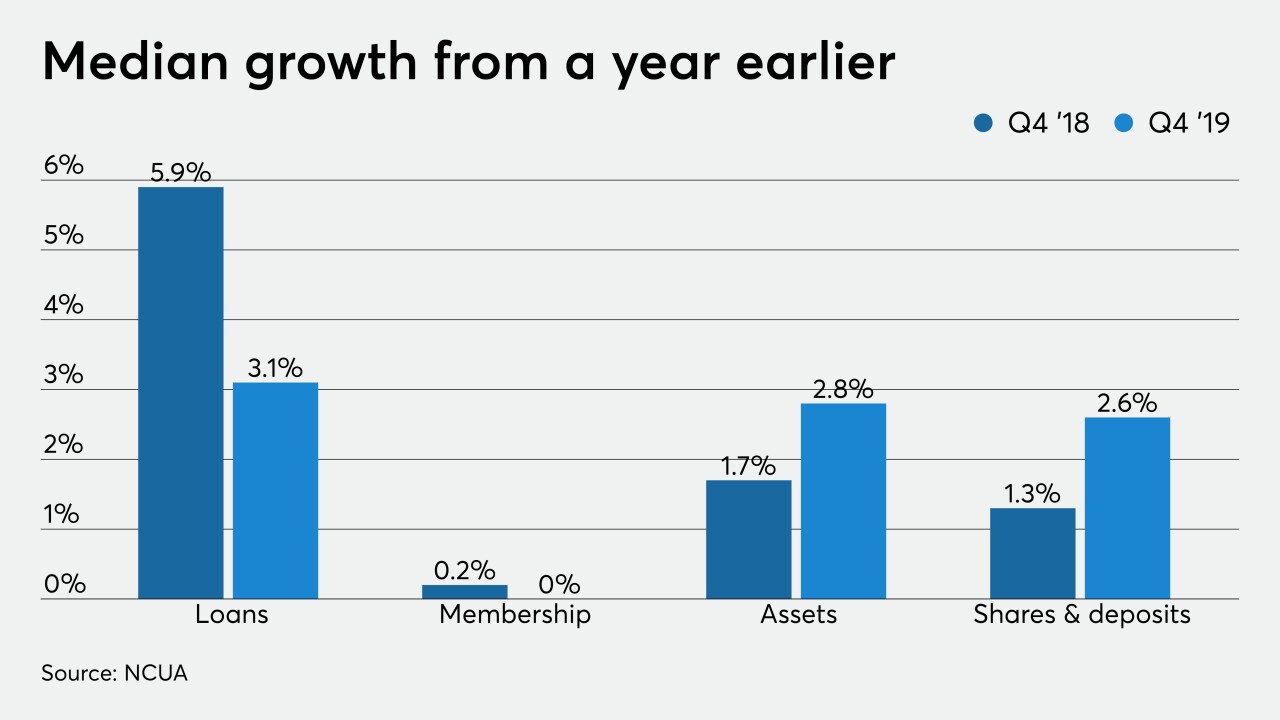
While loans continued to increase, growth was slower than one year previously and membership was flat.
March 25 -

Policymakers should abolish the new accounting standard because it could distract banks at exactly the moment they need to be focused on pulling their communities from the brink of recession.
March 25 -
The $2 trillion deal passed by the Senate late Wednesday would aim to put banks and consumers alike on stronger financial footing as they weather the coronavirus pandemic.
March 25 -

Losses on commercial real estate aren’t expected to be as bad as the 2008 crisis; as more cities announce shutdowns, consumers turn to online payments.
March 25 -

It's still unclear how the coronavirus pandemic will alter payment habits over time — will consumers avoid cash out of fear of germs, or will they favor it as the one payment option that nearly all merchants accept? An impending change in interchange rates may tip the scales in cash's favor.
March 25 -

The central bank will prioritize monitoring and outreach while reducing examination activity due to the coronavirus pandemic until at least the end of April.
March 24 -

If the new accounting standard poses too many risks during an economic crisis, then it's probably not a good idea at all.
March 24 -

The central bank's sweeping actions suggest a cash shortage gripping sectors directly hit by the pandemic. Banks were supposed to be protected by Dodd-Frank but are still vulnerable to a funding domino effect.
March 23 -

Congressional proposals could expand Federal Reserve liquidity support, delay a new credit loss accounting standard, provide certain accounts with unlimited deposit insurance and more to help businesses and consumers reeling from the coronavirus outbreak.
March 23 -

Online platforms and apps can be utilized to quickly support small businesses and consumers facing unexpected financial hardship.
March 23 -

The company's plan had drawn strong criticism from bankers about Rakuten's potentially controlling an industrial loan company while engaging in its nonfinancial businesses.
March 23 -

As Americans embrace social distancing, institutions may be forced to rethink board and annual membership meetings. The change could be lasting.
March 23


