

The Treasury secretary highlighted the impacts the bond market has on affordability and previewed regulatory tweaks the administration is eyeing to keep yields stable and credit flowing.


The company will record a $300 million charge to cover the elimination of three data centers and book $125 million in broader severance costs.

-

The fees are controversial for card networks and consumers, but the impact on banks has been muted. Here's why that could change.
-
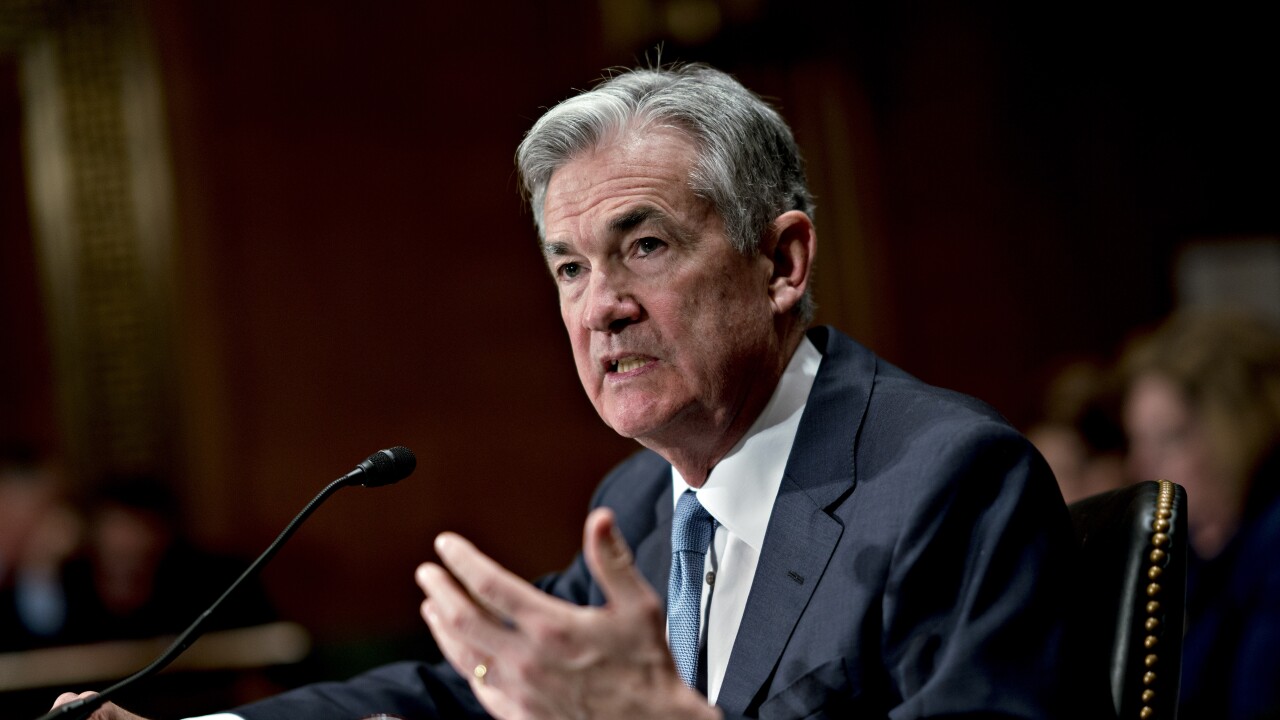
Federal Reserve Chair Jerome Powell said reserve banks will no longer factor "reputational risk" into master account decisions. The crypto industry is encouraged by the commitment, but says more changes are needed.

-

The rollout of new technologies in point-of-sale retail payments in the U.S. has historically been slow, and consumer adoption of those new payment flows can be even slower. Can consumers' propensity for self checkout help push adoption?


Even before the pandemic, retailers were pushing terminal makers to adjust to new trends on the fly. Technology cycles have become even shorter now — if there even are development cycles anymore.


Following a record-setting 2024, only one transaction involving a credit union buying a bank has been announced so far this year. Seller concerns about regulatory approval and pushback from bank industry groups have contributed to the slowdown.

House Financial Services Committee Chair French Hill, R-Ark., declined to say whether he would pass the Senate's GENIUS Act without making his own changes, as President Trump has preferred.


-

It is increasingly clear that joining a risk consortium is the best defense banks have against fraudsters who are increasingly powered by artificial intelligence.

-

Getting appointees confirmed by the Senate can be a time-consuming and painstaking process in ideal circumstances, and doing it in an election year amid a scandal is far from ideal. Even so, the White House and Senate Democrats should be motivated to move fast.

-

The Bank for International Settlements' Innovation Hub is doing important work on integrating new technology into the global financial system. The next step is to bring both banks and nonbanks into the discussion.


-
Following a judge's rejection of a 2024 settlement with merchants, the card networks are offering a slightly higher interchange reduction and easing card acceptance rules. It's the latest attempt to end a legal fight that's two decades old.


-
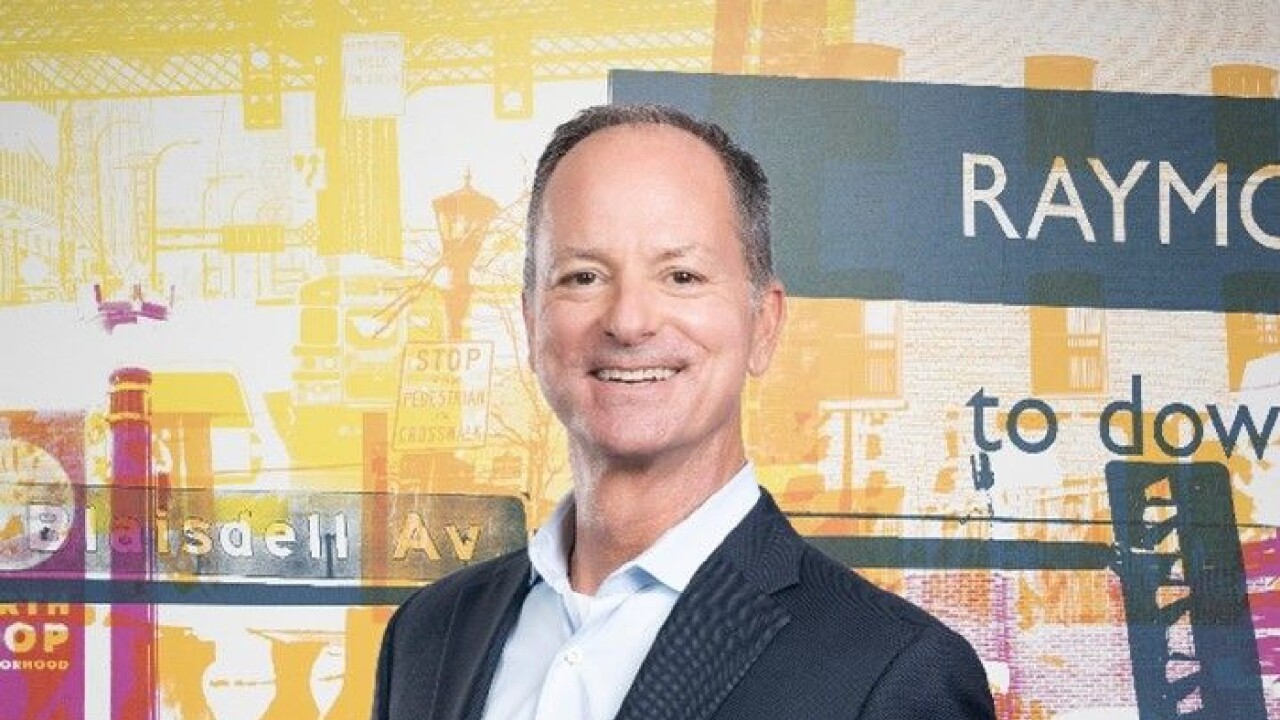
Sunrise Banks and other members of the Global Alliance for Banking on Values are encouraging their employees to train the generative AI models they use, so that the models understand values-based banking.

-
Industry groups and consumer advocates are continuing to push for regulators to interpret the GENIUS Act's prohibition on stablecoin interest as broadly as possible, while crypto firms push for a narrower interpretation, arguing that increased competition would benefit consumers.


-
Federal Reserve Governor Stephen Miran said emerging stresses in housing and private credit markets warrant a reduction to short-term interest rates. While preferring a 50 basis point cut in December, Miran said he would settle for a 25 basis point reduction.


-
President Trump and housing regulator Bill Pulte are considering introducing a 50-year fixed rate mortgage that Fannie Mae and Freddie Mac would purchase.


-
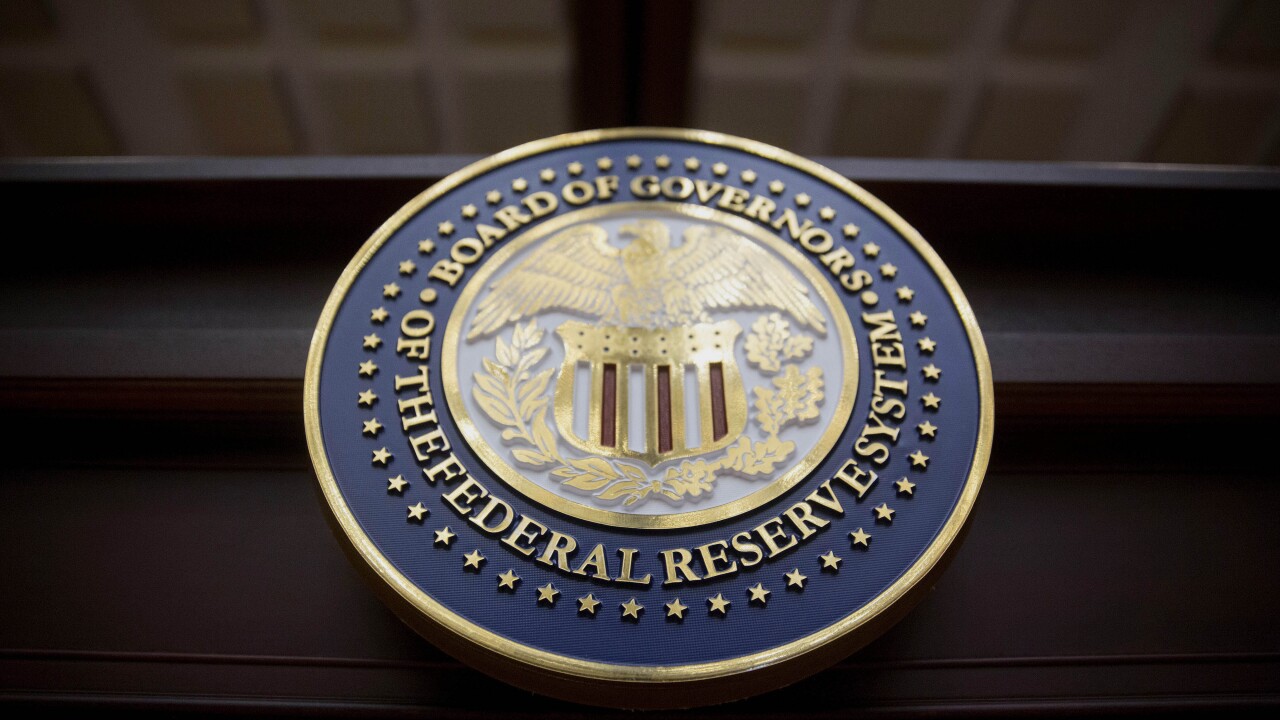
In its latest financial stability report, the Federal Reserve found that asset valuations continue to be elevated and leverage levels remain high, especially among nonbanks like hedge funds and insurance firms.


-
 Daily BriefingDelivered Every WeekdayIdeas that impact your business delivered to your inbox every day.
 -
 TechnologyWednesday, ThursdayThe latest industry developments from digital banking to cybersecurity to AI.
 -
 PaymentsDelivered Every WeekdayAn early-morning roundup of important headlines from the past 24 hours.
 -
 Best of the WeekFridayThe most important and widely read stories from the previous week.

Recent weeks have seen a flurry of stablecoin risk reports from international finance institutions. Noelle Acheson deduces what's really going on here.


As Filed co-founder & CEO, Leroy Kerry leverages expertise from scaling some of Europe's fastest-growing fintechs, including scaling Iwoca from a team of 5 to unicorn status to serving as a founding member at Juni. Leroy's experience blends strategic growth, operational scaling, and talent development, uniquely positioning him to transform legacy industries through technology.


The 23rd annual ranking of women leaders in the banking industry.
-
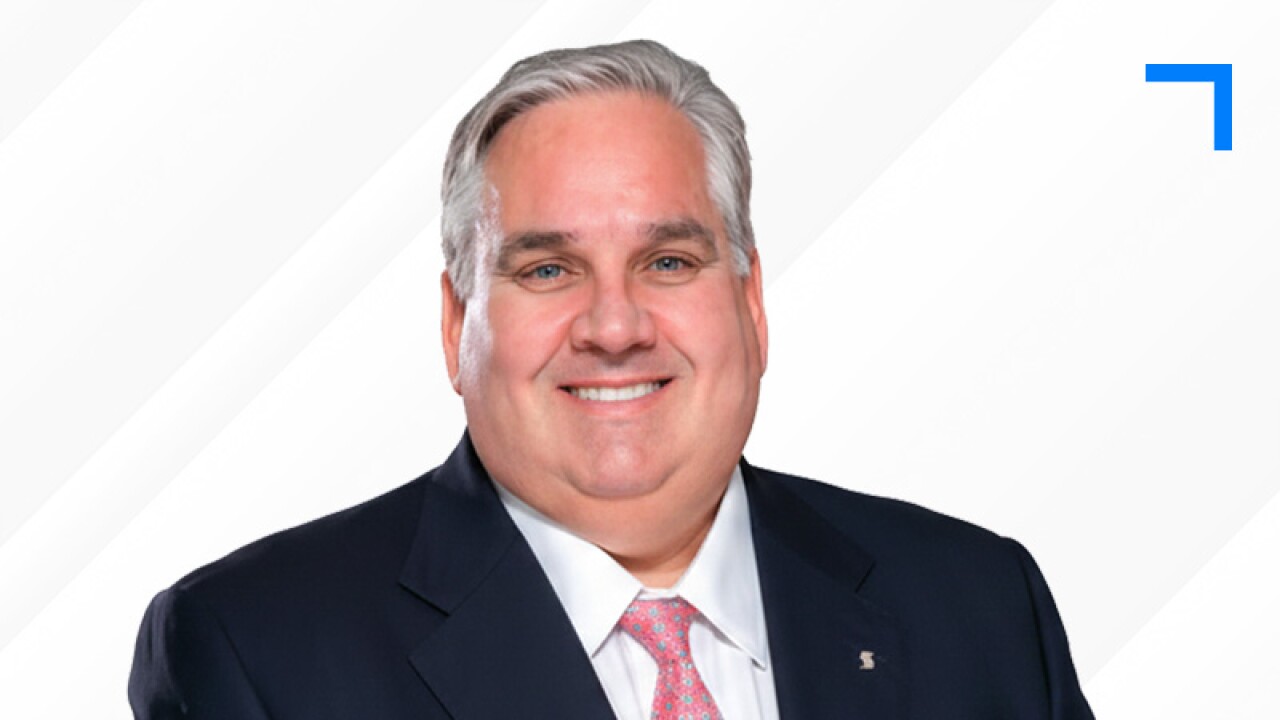 Partner Insights from Scotiabank


-
 Sponsor Content from Elan Credit Card
 -
 Sponsor Content from RingCentral
 -
 Sponsor Content from RingCentral
 -
 Sponsor Content from RingCentral


