
Stablecoins
How are banks approaching dollar-backed digital assets (stablecoins)?
Stablecoins have moved from the edge of the
Banks are testing stablecoins for cross-border payments, liquidity management, and digital wallets. Some are also exploring how stablecoins can support interbank transactions or be issued directly by regulated institutions. As the landscape takes shape, stablecoins are starting to look less like an experiment and more like infrastructure.
-
Securities and Exchange Commission Chair Paul Atkins said his agency and the Commodity Futures Trading Commission are working together to usher in a friendlier regulatory environment for technology and crypto firms, a marked departure from the interagency dynamic under President Biden.
 May 29
-
The crypto industry thought it could do trust better than the banks, found out it couldn't and realized it needs rules to guarantee trust.
May 29 American Banker
 -
Block's CEO is more bullish on bitcoin, but stablecoins add another option for the payment company's users to build their spendable balances while furthering the company's super app ambitions.
 May 28
-
AI could bring about the worst jobs market in the past century; the good news is we have time to figure out what to do about it.
May 27American Banker -
The crypto exchange, which closed its original direct deposit service in late 2024, has brought it back for users to set up automated digital asset investing.
 May 26
-
Consumers don't mistrust crypto products because they don't understand the technology behind them. They mistrust them because they have seen them fail under pressure. The path forward will be slow and incremental.
May 25
-
The use of cryptocurrency products will only go truly mainstream when everyday consumers feel confident that their assets are not at risk of disappearing because of a mistake or an oversight.
May 22
-
Crypto firms are becoming the kinds of trusted third parties bitcoin was created to get around, raising the question of what digital currencies are even for.
May 18American Banker -
Senate Banking Committee Chairman Tim Scott, R-S.C., flatly denied multiple pleas from Democrats to consider their amendment to a crypto market structure bill being marked up in the committee Thursday that would make banking industry-favored changes to the yield provision. The committee passed the measure in a 15 to 9 vote.
 May 14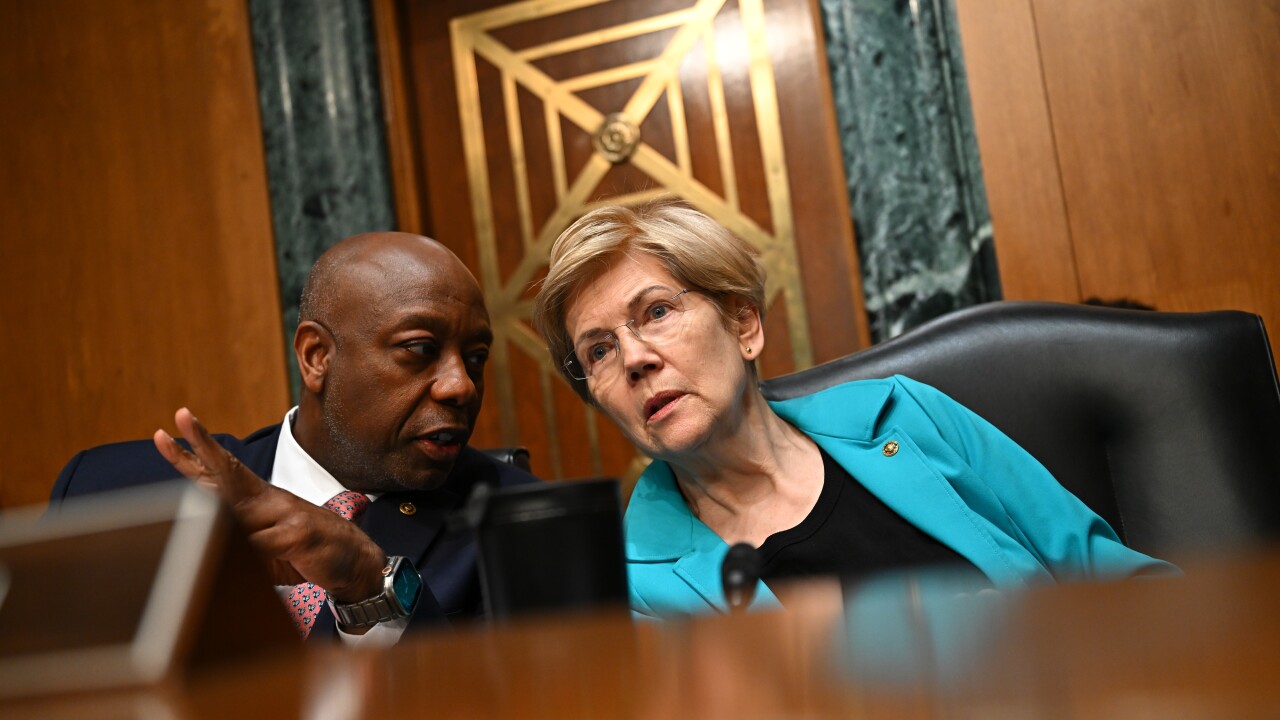
-
Amendments to a long-awaited crypto market structure bill slated to be marked up in the Senate Banking Committee Thursday would force lawmakers to vote for or against the banking industry's desired changes to the legislation.
May 13


The first three months of the year coincide with the start of President Donald Trump's second term in office. Investors are likely to be more interested in banks' outlooks amid swings in tariff policy than the first-quarter results.


Frequently Asked Questions:
How are banks approaching dollar-backed digital assets (stablecoins)?
Stablecoins have moved from the edge of the crypto, world to the center of policy and banking conversations. As regulators and banks weigh their role in payments, settlement, and reserves, this page follows the developments — from early pilots to proposed legislation.
Banks are testing stablecoins for cross-border payments, liquidity management, and digital wallets. Some are also exploring how stablecoins can support interbank transactions or be issued directly by regulated institutions. As the landscape takes shape, stablecoins are starting to look less like an experiment and more like infrastructure.
Why are banks paying attention to stablecoins?
Stablecoins are increasingly viewed as a potential upgrade to legacy payments systems. Banks are evaluating them for settlement, remittances, cross-border transactions, and tokenized deposit models.Are banks issuing their own stablecoins?
Some are exploring the option. Institutions like JPMorgan (with JPM Coin) and new entrants like PayPal are piloting bank-issued stablecoins, while others are watching regulatory developments before moving forward.How do stablecoins impact compliance and risk?
Issues include KYC/AML enforcement, cybersecurity, operational risk, and how reserve assets are held and reported. Banks exploring stablecoin activity must weigh both technological benefits and regulatory scrutiny.How are regulators responding to stablecoin innovation?
Congress is debating stablecoin-specific bills focused on reserve backing, issuer licensing, and oversight. The Federal Reserve, OCC, and state regulators are also shaping how bank involvement in stablecoin activity is supervised.How are banks using stablecoin?
Banks are using stablecoins to speed up cross-border payments, manage liquidity across global branches in real time, and test new forms of settlement between institutions. Some are integrating stablecoins into retail-facing digital wallets, while others are exploring interbank networks built on tokenized payments. These efforts are less about crypto speculation and more about making money move faster, with greater transparency and fewer intermediaries.- Real-time cross-border payments
- Internal liquidity management
- Retail-facing digital wallets
- Interbank tokenized payment networks
Top banks investing in stablecoin
List of institutions with greatest investment in stablecoin:- JPMorgan Chase – JPM Coin
- Custodia Bank – Avit Tokens
- Citigroup - Citi Token Services
- Societe Generale - USD CoinVertible
- Bank of America - Name yet to be released
- Fifth Third - Name yet to be released
- U.S. Bancorp - Name yet to be released