-
Supporters of the moves to enhance the availability of low-down-payment loans deny that the industry is taking on too much risk as a result of those moves as some critics claim.
February 5 -
The New Jersey Assembly is weighing whether to pursue legislation that would make the state a haven for digital currency businesses.
February 4 -
Stephen Platt, regulatory investigations consultant and author of "Criminal Capital: How the Finance Industry Facilitates Crime," explains his misgivings about the idea of a shared know-your-customer registry for the industry.
February 4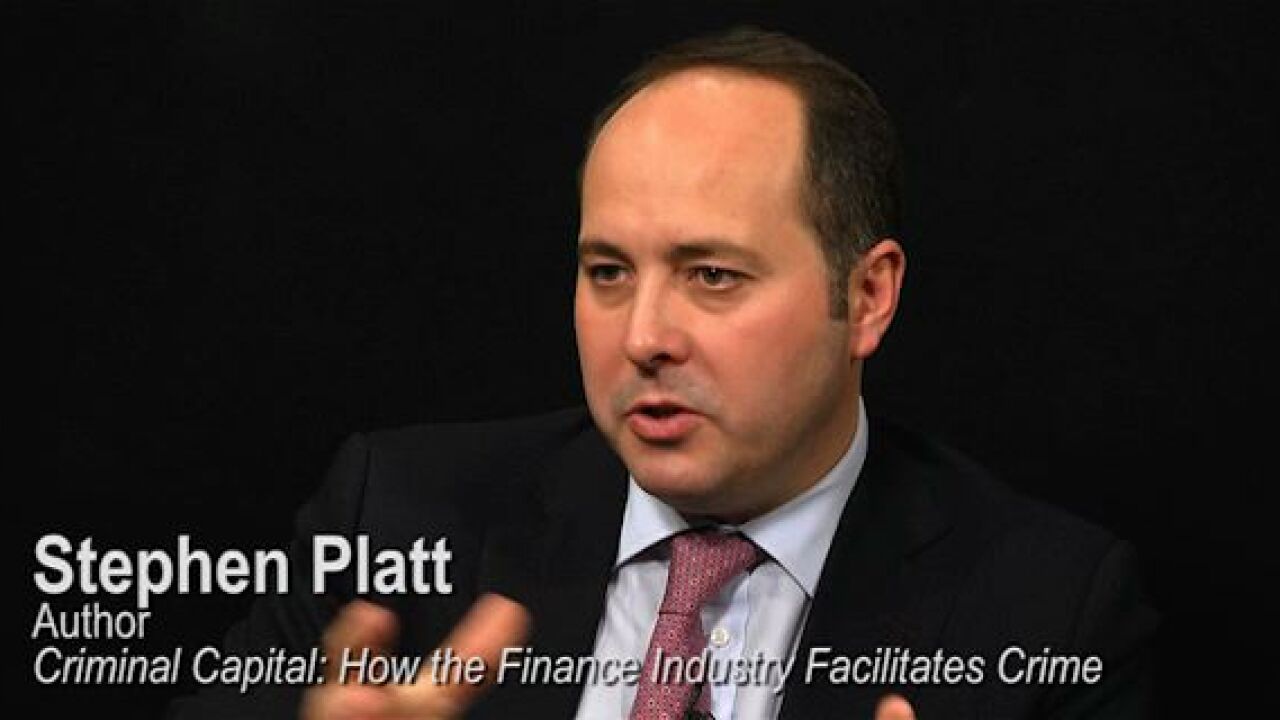
-
Deployments of biometrics are usually fairly challenging, but Apple has demonstrated through its Touch ID fingerprint system that it can scale a consumer biometric technology quickly. London-based ValidSoft predicts it can do the same for voice biometrics by using the microphone built into most consumer gadgets.
 February 4
 -
Efforts to apply biometric security to payments have reached the fraud-prone remittance market, as Touch ID takes hold for both incumbents such as Western Union and upstarts such as Xoom.
 February 4
 -
The Consumer Financial Protection Bureau is seeking to permanently ban a credit provider in Texas from offering any services because of allegations that it ran a "sham credit card" business.
 February 3
 -
Acquirers are being encouraged to alert merchants to a new remote malware attack called "Ghost" that allows hackers to take over a network.
 February 3
 -
The U.K. is rapidly becoming a target for payment crime, with malware on the rise and the country poised for fraud spikes as crooks abandon EMV-protected terminals to target the more vulnerable e-commerce channel.
February 3 -
Small business alternative lender Biz2Credit has added Fortis Payments to its roster of payment partners.
January 30 -
Apple's mobile wallet has been out for just four months, and already it has shaken up the way mobile payments operate at the point of sale. It has faced pushback from some merchants and banks, but it has also popularized new forms of security and other payment technology.
January 30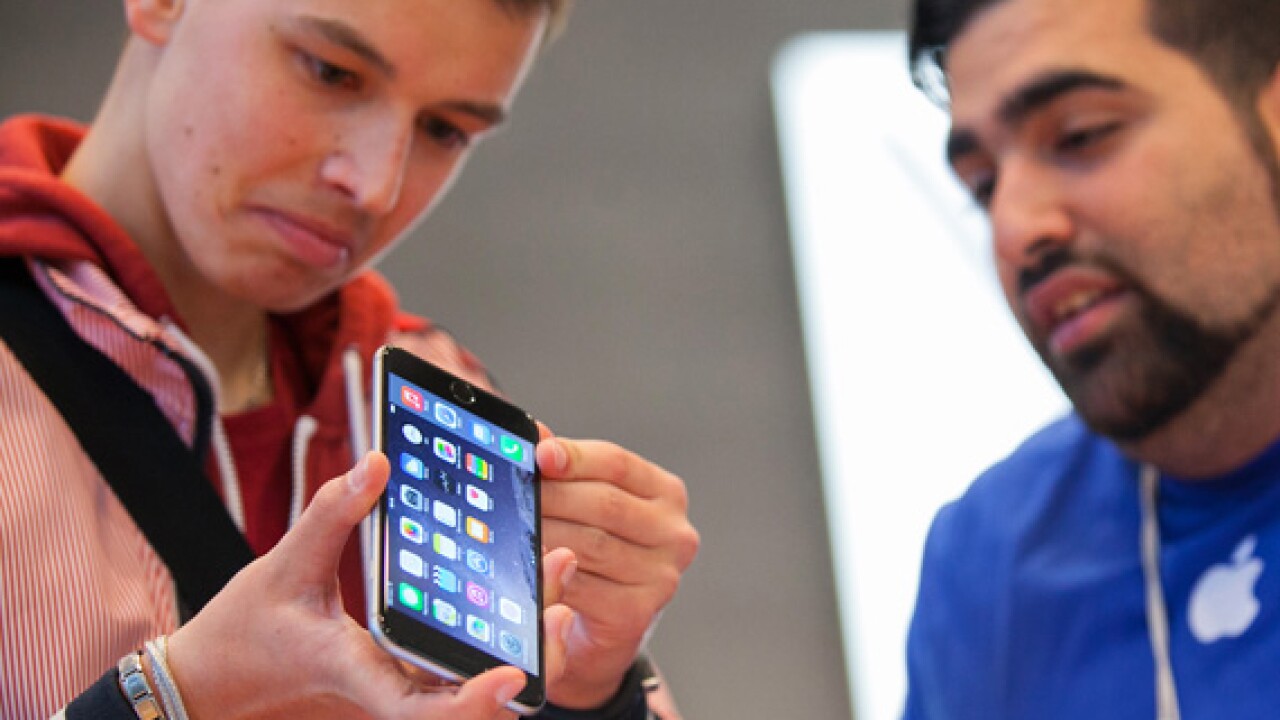
-
While Visa and MasterCard aren't yet applying the same level of pressure for tokenization security as they are for EMV-chip cards, the card networks' CEOs are clear that this technology is their new expectation for e-commerce.
January 30 -
Green Dot Corp. plans to start offering credit lines to its customers, a move that likely foreshadows how new regulations will reshape the prepaid card industry.
 January 30
 -
Federal Reserve officials suggested that anonymous payments and the technologies powering digital currencies could inform broader plans for reshaping the U.S. payment system.
 January 29
 -
Visa Inc., the world's largest payments network, posted fiscal first-quarter profit that beat analysts' estimates as card spending increased.
January 29 -
Purveyors of certain cloud services, such as cloud-based lending, face continual rejection from bankers worried about security. But some say a data storage specialist could be every bit as secure as a financial institution if not more so.
 January 29
 -
A new study says Americans are getting hooked on mobile banking.
January 29 -
Citigroup has agreed to change its policies that prevented low-income consumers from opening checking and savings accounts.
 January 28
 -
Apple Pay's Touch ID is the exception, not the rule. Biometric security typically requires some type of add-on hardware, a model that has struggled to get much adoption over the years.
January 28 -
Peer-to-peer and institution-to-small business loan marketplace Funding Circle launched a new fractional loan marketplace today, the San Francisco company announced.
January 27 -
The Federal Reserve appears to have looked at Bitcoin as a potential set of rails for real-time payments in the banking system but shelved the concept for now.
January 27 American Banker


