
Regulation and compliance
Regulation


-

The nominees, strongly backed by progressive Democrats to lead two key Wall Street watchdogs, signal that the Biden administration is planning tough oversight after four years of light-touch policies under appointees of President Trump.
January 18 -

The McLean, Va.-based company admitted that it failed to file suspicious activity reports even in cases when it knew about criminal charges against specific customers. The misconduct took place in a unit that served check-cashing businesses and was later shut down.
January 15 -
Cybersecurity remains a priority along with CARES Act compliance, flexibility for borrowers impacted by the pandemic and more.
January 15 -

The OCC had hit James Strother and other executives with civil charges a year ago in connection with the bank's phony-accounts scandal. His monetary penalty is lower than what the agency had first floated.
January 15 -
Businesses owned by minorities and women got a head start this week in a new round of $284 billion funding, and early anecdotal evidence suggests stronger demand coming from these businesses.
January 15 -

Some companies cut off the flow of cash to insurrectionists, while others put a halt to their political spending. Their actions came quickly after the events of Jan. 6.
January 15 -

In placing the $6.6 million-asset institution in conservatorship, the regulator has taken charge of two credit unions in just the first two weeks of the year.
January 15 -

Fresh market interest and government action have created a chance for payment technology providers like Circle to promote blockchain-powered transactions.
January 15 -

In a party-line vote, the agency issued a proposal that would redefine a "complex" credit union.
January 14 -

The FHFA and Treasury will allow Fannie Mae and Freddie Mac to hold more capital as part of the Trump administration's plans to release the companies from conservatorship. But it is unclear whether the incoming Biden administration will keep the mortgage giants on the same reform path.
January 14 -

Brian Brooks may be remembered as one of the most controversial interim regulatory chiefs in recent memory, taking positions on the pandemic response, fintechs’ banking ambitions and other issues that won him supporters and critics alike.
January 13 -

First Bank in New Jersey, Northeast Bank in Maine and others have warmed to the idea of using software to streamline Paycheck Protection Program lending so that employees can be more hands-on with customers.
January 13 -

A co-founder of Anchorage Trust Co. said its digital bank, which will not take insured deposits, will enable the company to strengthen partnerships with financial institutions that offer custody services for clients’ cryptocurrency assets.
January 13 -
The pace of forgiveness for Paycheck Protection Program loans is expected to accelerate when the Small Business Administration issues guidance on additional steps meant to streamline the process.
January 13 -
The Small Business Administration will allow lenders with less than $1 billion of assets to process applications in two days. The portal will open to all lenders on Tuesday.
January 13 -

Several financial tech companies that applied to become national banks are seeking exemptions from many provisions of the Community Reinvestment Act. A consumer advocacy group and the American Bankers Association say the OCC mustn't allow this.
January 13 -

After calling off its bid to buy the data aggregator Plaid, the card network is shifting its focus back to its role as an enabler of digital payments and related services.
January 13 -
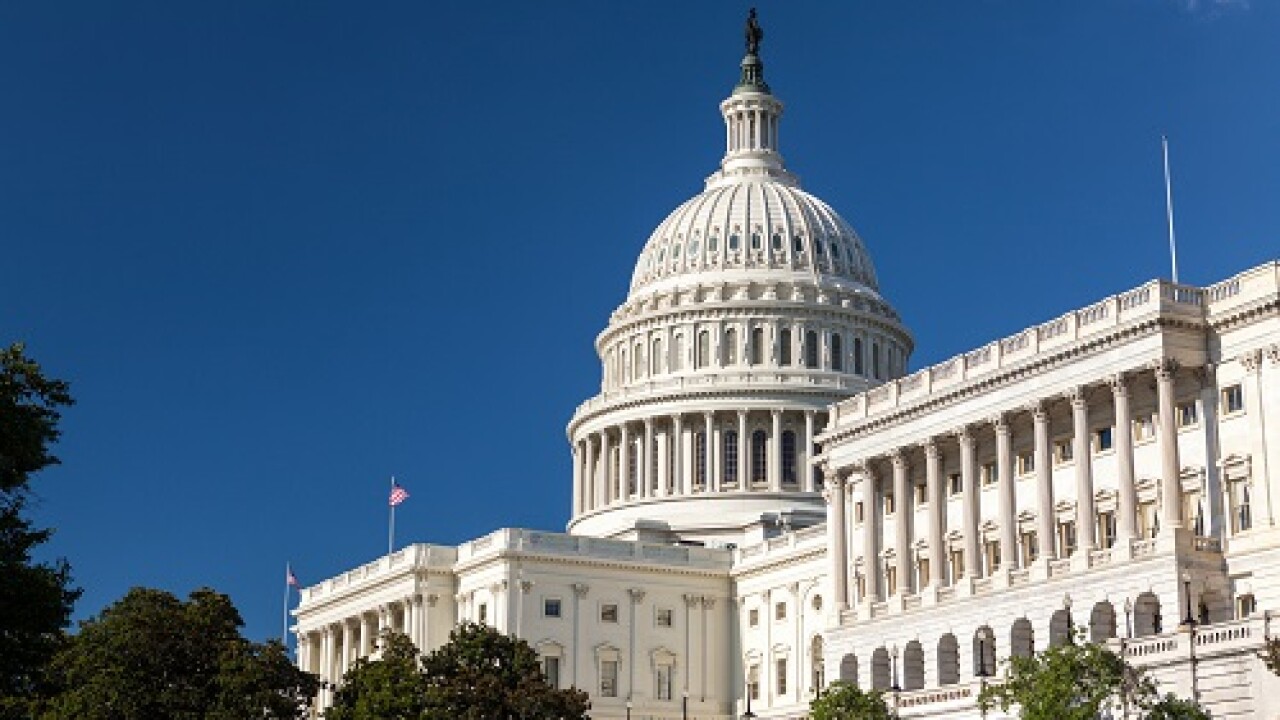
A Democratic majority in Washington may help advance a number of key legislative issues for the industry, such as passage of a national data security standard. However, it could also lead to a renewed focus on consumer protection laws.
January 13 -

Visa and Plaid have terminated their tie-up and reached an agreement with the Department of Justice to dismiss the litigation brought against them when the deal raised antitrust questions.
January 12 -

The Office of the Comptroller of the Currency appears intent on being the federal chartering agency for tech firms with banking ambitions. But some experts say the Consumer Financial Protection Bureau is better suited for the job.
January 12


