-
A bug in a recent update of the decentralized finance platform Compound sent users nearly $90 million worth of cryptocurrency in error, leaving its creator’s CEO begging users to voluntarily send it back.
October 1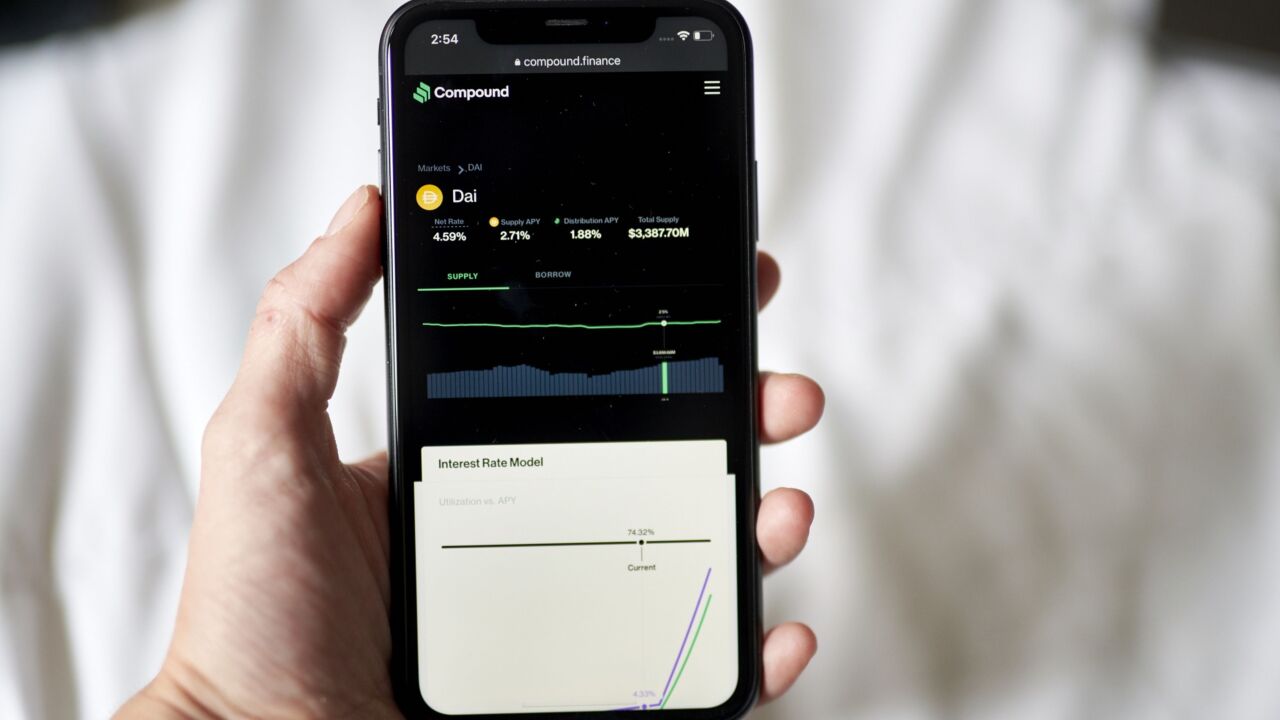
-
The U.S. subsidiary of Japanese banking giant Mitsubishi UFJ Financial Group has entered into a consent order with the Office of the Comptroller of the Currency that requires it to improve its information security protocols, hire more IT staff and create a board-level committee to monitor its progress.
 September 20
-
President Biden urged a group of chief executive officers to help improve cybersecurity across the nation’s critical infrastructure and economy, citing a lack of trained professionals to adequately protect the U.S.
September 17
-
Email scams in which hackers siphon small amounts of money from thousands of accounts at once are on the rise. Here's what banks are doing about it.
 September 16
-
As the need for easy-yet-secure mobile banking authentication escalates and consumers become used to logging in by looking into a camera, banks are taking the technology more seriously.
September 13
-
-
Though banks were not directly affected by security flaws discovered in Azure systems last week, they need to be aware of the kinds of misconfigurations that could lead to massive data breaches.
September 1
-
-
For banks that want to replace usernames and passwords with more secure options, there's hope: Consumers are becoming more comfortable with biometrics, the technology is getting easier to use and regulators are starting to require it.
August 26
-
Chief executives from across the business world are set to join President Biden for a discussion Wednesday on how industry and the federal government can partner to improve cybersecurity in the face of debilitating ransomware and cyberattacks.
August 25
-
Infrastructure will command most of lawmakers’ attention, but expect banks to keep pushing for bills that would ease the transition away from a key benchmark rate and help them serve legal cannabis businesses.
August 24
-
The incident, which may have exposed customers’ account information to other customers, was caused by a technical glitch, the company wrote in a notice posted on a state attorney general's website.
 August 17
-
Online attacks on travel and other nonfinancial industries grew at a much faster rate in the second quarter than those on financial services companies. Yet hackers pose considerable risk to banks and credit unions, especially in payments.
August 13
-
The Federal Financial Institutions Examination Council says bank accounts and information systems have become more vulnerable as mobile and other technologies have expanded. It issued guidelines on detailed steps financial institutions should take to heighten security.
 August 11
-
Companies like Arkose Labs say they're so confident in their ability to deter the attacks — automated attempts to break into online banking sites using stolen usernames and passwords — that they can offer banks a warranty.
August 4
-
Criminals' efforts to steal identities and take over accounts have become increasingly sophisticated. Banks must upgrade their mitigation processes, which can be held back by antiquated systems and organizational silos.
August 2 Refinitiv
 -
Citigroup’s chief financial officer said China’s recent moves to crack down on companies isn’t likely to harm the bank’s business across the Asia-Pacific region.
July 30
-
After recent attacks on ATM networks, the PCI Council, a prominent standards body, recommended extra protections for mainframes that handle card and payment data.
July 26
-
The Reserve Bank of India says the card brand failed to comply with a requirement to store transaction details locally. The handling of payment information has become a point of contention between the Asian nation and American firms.
 July 15
-
Salt Labs researchers exploited four types of vulnerabilities in the application programming interfaces of a large financial company. Their findings contradict conventional wisdom about the safety of APIs in the sharing of consumer data.
July 15


