
Stablecoins
How are banks approaching dollar-backed digital assets (stablecoins)?
Stablecoins have moved from the edge of the
Banks are testing stablecoins for cross-border payments, liquidity management, and digital wallets. Some are also exploring how stablecoins can support interbank transactions or be issued directly by regulated institutions. As the landscape takes shape, stablecoins are starting to look less like an experiment and more like infrastructure.
-
President Biden says his administration is focused on policing cryptocurrency crimes to combat corruption globally and is taking advantage of a newly formed Department of Justice task force, according to an anti-graft report released Monday.
December 7
-
Some of the biggest names in crypto will head to Capitol Hill next week as lawmakers weigh new rules for the white-hot asset class.
December 1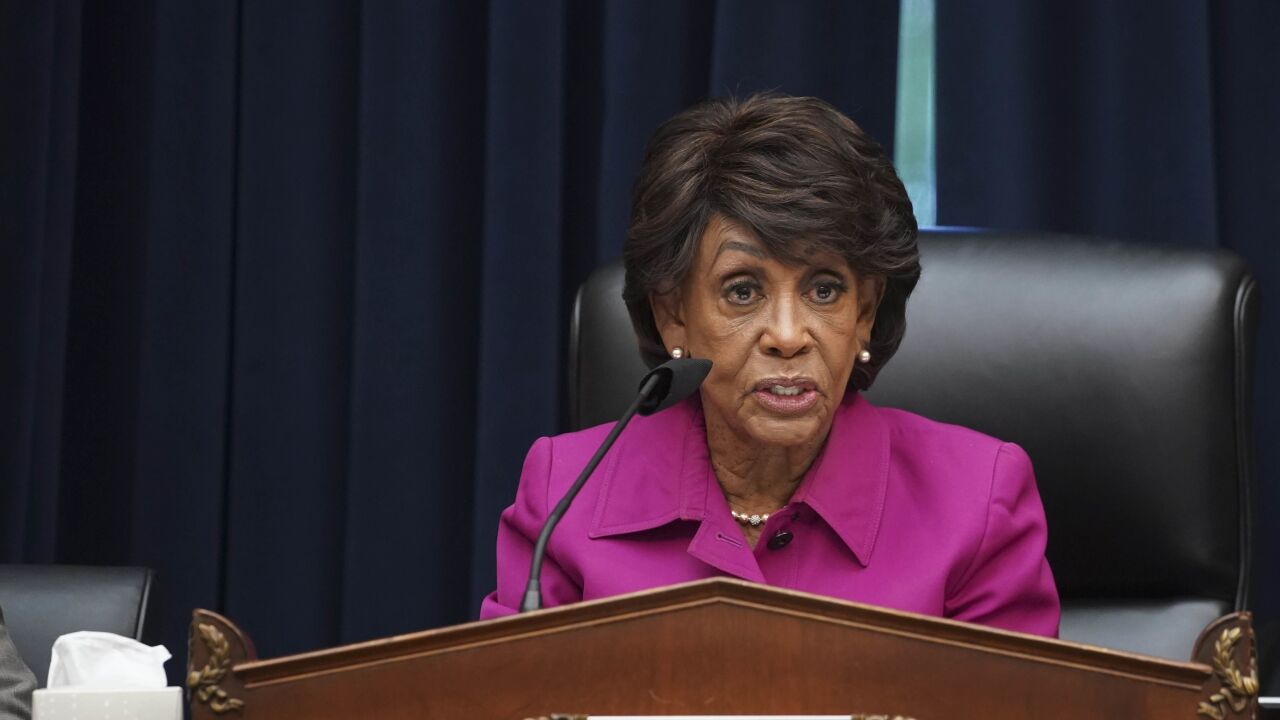
-
Securities and Exchange Commission Chair Gary Gensler doubled down on his calls for more oversight of cryptocurrency trading platforms on Wednesday, offering new insight into his priorities as he seeks to crack down on the digital coin industry.
December 1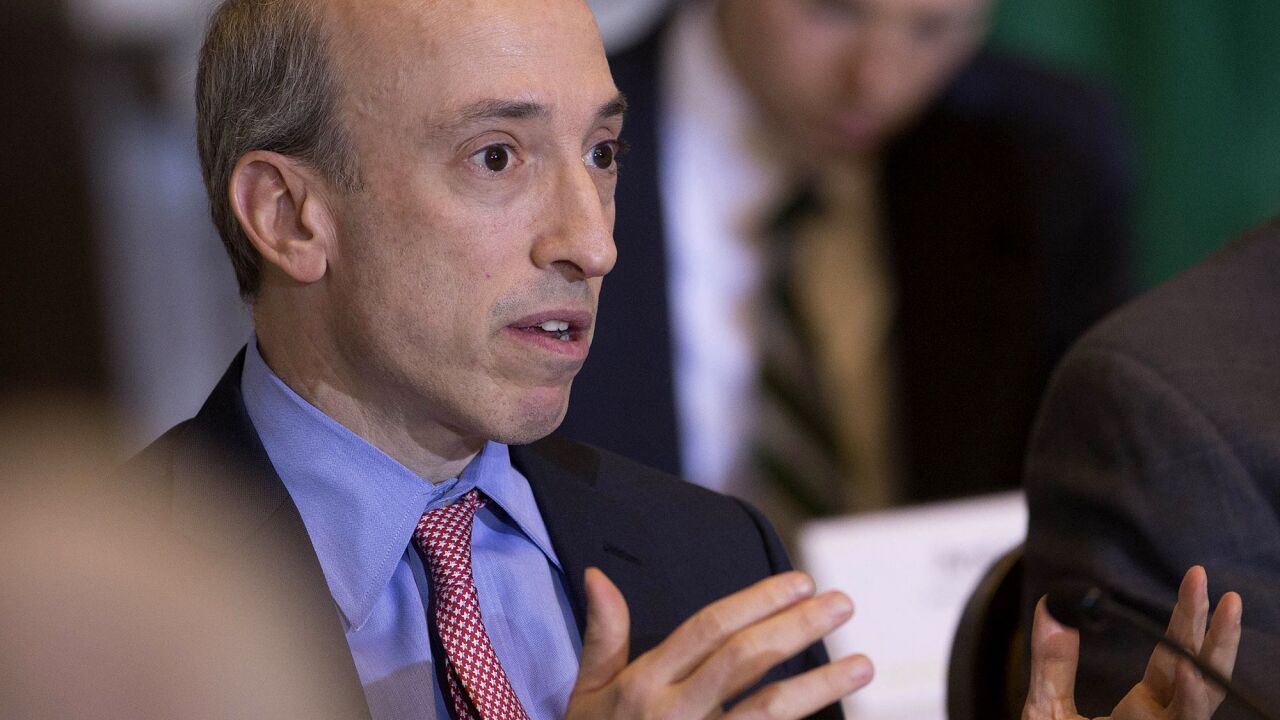
-
Policymakers contend the fast-growing crypto sector poses many risks for consumers, but disagreements within the blockchain industry and Congress are expected to prevent the establishment of clear rules anytime soon.
 December 1
-
The former PayPal president was hired to bring an entrepreneurial spirit to the social network, and he helmed major projects such as the Diem stablecoin. His exit raises questions about the direction of the businesses he oversaw.
November 30
-
Marcus, who joined Facebook in 2014 from PayPal, ran the Messenger service for years before moving over to form the company’s blockchain division in 2018.
November 30
-
Its goals are twofold: to be a financial intermediary between buyers and sellers on the Provenance blockchain and to use the technology to bring speed and efficiency to loans and other products.
 November 29
-
The Office of the Comptroller of the Currency reaffirmed national banks' ability to offer cryptocurrency services — with the caveat that its permission is necessary. Meanwhile, it joined other regulators in previewing additional crypto-related guidance.
 November 23
-
JPMorgan Chase Chief Executive Jamie Dimon quipped that his bank is likely to outlast China’s Communist Party, while reiterating his company’s commitment to doing business in the country.
November 23
-
Citigroup is looking to hire 100 people as part of a new push into digital assets inside its institutional business, according to a person familiar with the matter.
November 22


The first three months of the year coincide with the start of President Donald Trump's second term in office. Investors are likely to be more interested in banks' outlooks amid swings in tariff policy than the first-quarter results.
- April 2


Frequently Asked Questions:
How are banks approaching dollar-backed digital assets (stablecoins)?
Stablecoins have moved from the edge of the crypto, world to the center of policy and banking conversations. As regulators and banks weigh their role in payments, settlement, and reserves, this page follows the developments — from early pilots to proposed legislation.
Banks are testing stablecoins for cross-border payments, liquidity management, and digital wallets. Some are also exploring how stablecoins can support interbank transactions or be issued directly by regulated institutions. As the landscape takes shape, stablecoins are starting to look less like an experiment and more like infrastructure.
Why are banks paying attention to stablecoins?
Stablecoins are increasingly viewed as a potential upgrade to legacy payments systems. Banks are evaluating them for settlement, remittances, cross-border transactions, and tokenized deposit models.Are banks issuing their own stablecoins?
Some are exploring the option. Institutions like JPMorgan (with JPM Coin) and new entrants like PayPal are piloting bank-issued stablecoins, while others are watching regulatory developments before moving forward.How do stablecoins impact compliance and risk?
Issues include KYC/AML enforcement, cybersecurity, operational risk, and how reserve assets are held and reported. Banks exploring stablecoin activity must weigh both technological benefits and regulatory scrutiny.How are regulators responding to stablecoin innovation?
Congress is debating stablecoin-specific bills focused on reserve backing, issuer licensing, and oversight. The Federal Reserve, OCC, and state regulators are also shaping how bank involvement in stablecoin activity is supervised.How are banks using stablecoin?
Banks are using stablecoins to speed up cross-border payments, manage liquidity across global branches in real time, and test new forms of settlement between institutions. Some are integrating stablecoins into retail-facing digital wallets, while others are exploring interbank networks built on tokenized payments. These efforts are less about crypto speculation and more about making money move faster, with greater transparency and fewer intermediaries.- Real-time cross-border payments
- Internal liquidity management
- Retail-facing digital wallets
- Interbank tokenized payment networks
Top banks investing in stablecoin
List of institutions with greatest investment in stablecoin:- JPMorgan Chase – JPM Coin
- Custodia Bank – Avit Tokens
- Citigroup - Citi Token Services
- Societe Generale - USD CoinVertible
- Bank of America - Name yet to be released
- Fifth Third - Name yet to be released
- U.S. Bancorp - Name yet to be released