
Stablecoins
How are banks approaching dollar-backed digital assets (stablecoins)?
Stablecoins have moved from the edge of the
Banks are testing stablecoins for cross-border payments, liquidity management, and digital wallets. Some are also exploring how stablecoins can support interbank transactions or be issued directly by regulated institutions. As the landscape takes shape, stablecoins are starting to look less like an experiment and more like infrastructure.
-
The industry reported $275 million in losses from internet crimes last year, a 59% annual increase as losses nationwide surpassed $20 billion.
 April 10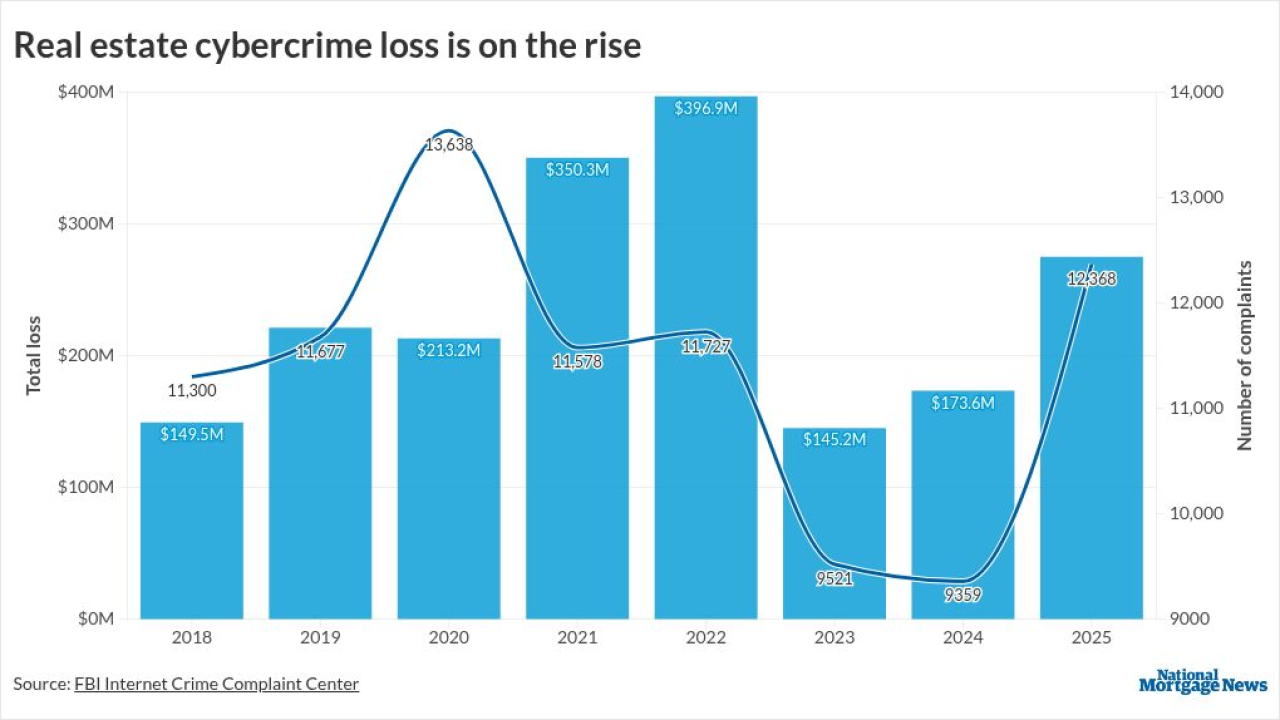
-
Banks are more active in the digital asset option than stablecoins. Those involved say the appeal is the similarity to traditional banking, only faster and more digital.
 April 10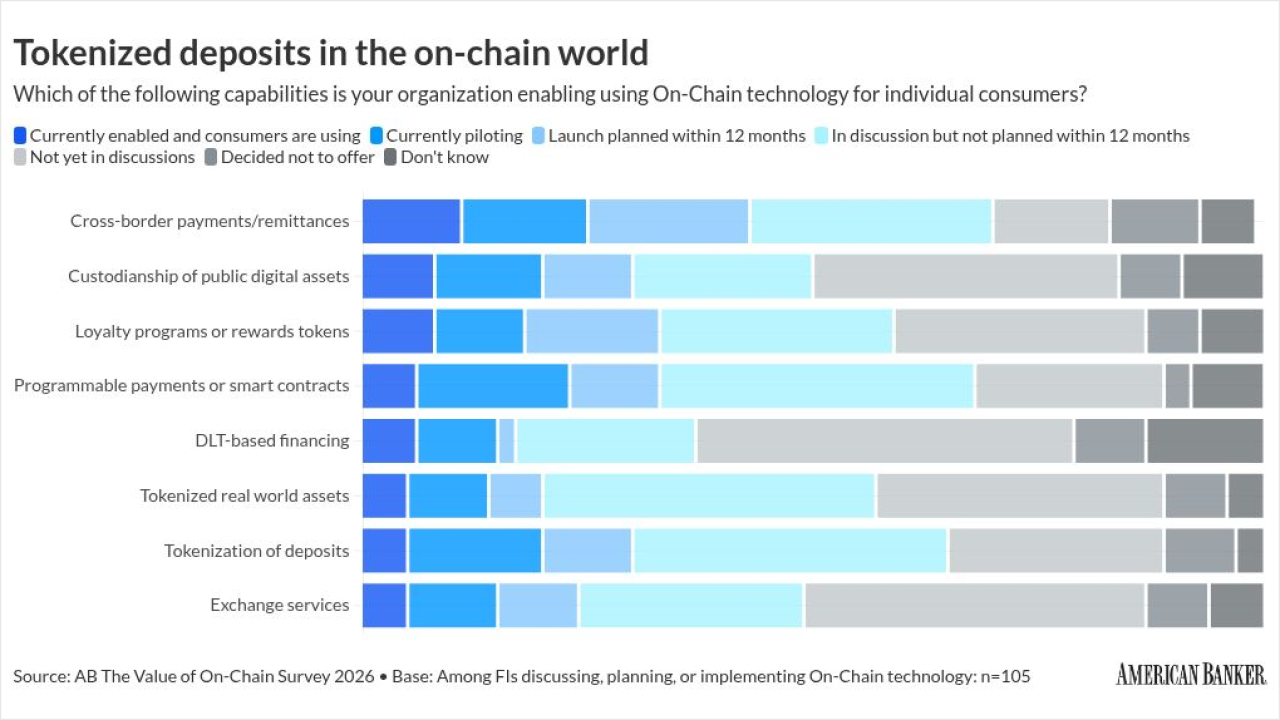
-
The first U.S. bank to offer an exchange-traded product tied to bitcoin saw $34 million in trading on the first day.
 April 9
-
Most banks are likely not large enough to not support stablecoins and tokenized deposits on their own, creating a new way for legacy IT firms to compete with fintechs.
April 9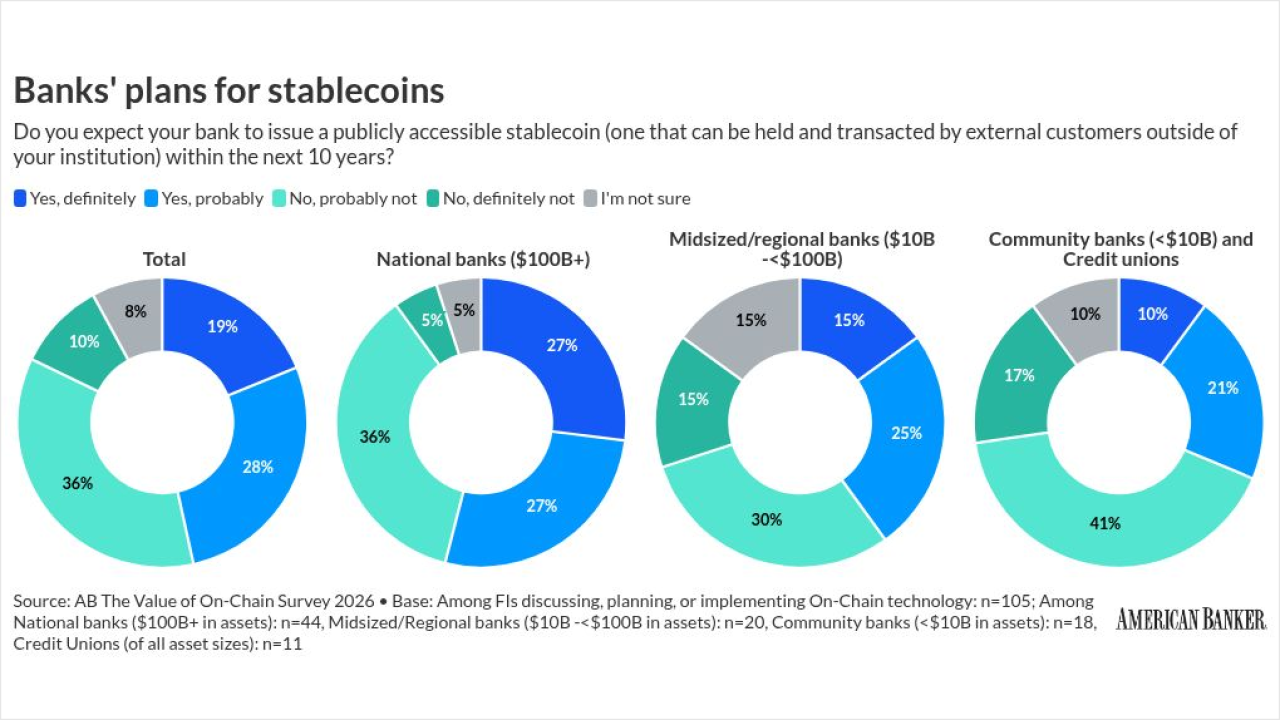
-
On-chain infrastructure is making idle balances obsolete. The OCC needs to act before banks lose the ability to compete in a market where consumers no longer tolerate below-market-rate returns.
April 9
-
A new analysis from the White House's Council of Economic Advisers says the banking industry's fears about deposit flight are overstated. Experts familiar with the banking industry's concerns say the report's conclusions are beside the point.
 April 8
-
Banks' core ledger systems are a sclerotic holdover from the past. The future belongs to the banks that set them aside and allow transactions to close in real time.
April 8
-
The largest crypto theft of 2026 hit Drift Protocol after attackers exploited a small security council, putting a spotlight on DeFi vulnerabilities.
 April 2
-
The cryptocurrency exchange is the latest digital asset firm to receive a trust bank charter from the Office of the Comptroller of the Currency.
 April 2
-
The digital bank launched Big Business Banking, an interface for businesses to manage fiat and crypto assets in the same place and conduct 24/7 transactions.
April 2


The first three months of the year coincide with the start of President Donald Trump's second term in office. Investors are likely to be more interested in banks' outlooks amid swings in tariff policy than the first-quarter results.


Frequently Asked Questions:
How are banks approaching dollar-backed digital assets (stablecoins)?
Stablecoins have moved from the edge of the crypto, world to the center of policy and banking conversations. As regulators and banks weigh their role in payments, settlement, and reserves, this page follows the developments — from early pilots to proposed legislation.
Banks are testing stablecoins for cross-border payments, liquidity management, and digital wallets. Some are also exploring how stablecoins can support interbank transactions or be issued directly by regulated institutions. As the landscape takes shape, stablecoins are starting to look less like an experiment and more like infrastructure.
Why are banks paying attention to stablecoins?
Stablecoins are increasingly viewed as a potential upgrade to legacy payments systems. Banks are evaluating them for settlement, remittances, cross-border transactions, and tokenized deposit models.Are banks issuing their own stablecoins?
Some are exploring the option. Institutions like JPMorgan (with JPM Coin) and new entrants like PayPal are piloting bank-issued stablecoins, while others are watching regulatory developments before moving forward.How do stablecoins impact compliance and risk?
Issues include KYC/AML enforcement, cybersecurity, operational risk, and how reserve assets are held and reported. Banks exploring stablecoin activity must weigh both technological benefits and regulatory scrutiny.How are regulators responding to stablecoin innovation?
Congress is debating stablecoin-specific bills focused on reserve backing, issuer licensing, and oversight. The Federal Reserve, OCC, and state regulators are also shaping how bank involvement in stablecoin activity is supervised.How are banks using stablecoin?
Banks are using stablecoins to speed up cross-border payments, manage liquidity across global branches in real time, and test new forms of settlement between institutions. Some are integrating stablecoins into retail-facing digital wallets, while others are exploring interbank networks built on tokenized payments. These efforts are less about crypto speculation and more about making money move faster, with greater transparency and fewer intermediaries.- Real-time cross-border payments
- Internal liquidity management
- Retail-facing digital wallets
- Interbank tokenized payment networks
Top banks investing in stablecoin
List of institutions with greatest investment in stablecoin:- JPMorgan Chase – JPM Coin
- Custodia Bank – Avit Tokens
- Citigroup - Citi Token Services
- Societe Generale - USD CoinVertible
- Bank of America - Name yet to be released
- Fifth Third - Name yet to be released
- U.S. Bancorp - Name yet to be released