
Regulation and compliance
Regulation


-

The company has established a fund that will provide capital, technical assistance and long-term recovery support to small businesses, especially minority-owned companies. The other megabanks are expected to donate their fees, also.
July 9 -

The role of EMVCo — which is often seen as an extension of the card brands that deals only with chip-based EMV plastic cards— has come into sharper focus.
July 9 -

Backers say a bill to limit asset growth instead of restricting brokered funds addresses concerns about expanding balance sheets at troubled banks. But skeptics worry it would open the door to greater risk.
July 8 -

At a time when many have shifted to digital payments to weather the coronavirus pandemic, the four main U.S. credit card brands are aggressively expanding their own take on digital commerce.
July 8 -

Jim Nussle, CEO of the Credit Union National Association, recently argued that Congress should do away entirely with FOM requirements. Such a move would further favor credit unions over banks.
July 8 -

The German bank agreed to pay $150 million to New York State for its dealings with Jeffrey Epstein; the new tool will help lenders determine which borrowers are in the best shape to weather a crisis.
July 8 -
More than 30 banks across the country, including dozens of community banks and some lenders with more than $1 billion in assets, could generate fees that surpass their 2019 net revenue before set-asides for loan losses.
July 7 -

The agency sought to provide certainty that most actions from the past eight years remain in effect despite the ruling that the bureau's leadership structure is unconstitutional.
July 7 -

Randal Quarles, who is also chairman of the Financial Stability Board, said FSB members must do more to prepare for bank failures.
July 7 -

The agency delivered long-anticipated regulatory relief to the small-dollar loan industry by eliminating ability-to-repay requirements imposed under the bureau’s former director.
July 7 -

Technology has helped banks expand globally, but complying with country-specific laws restricting data flows is a constant struggle.
July 7 -

Restaurants, medical offices and car dealerships were the top recipients of large loans; increased usage of the drive-ups is putting a strain on the low-tech lanes.
July 7 -

Rancor between Democrats and Republicans has made it hard to enact subsequent bills. But the 2018 reg relief package and more recent legislation offer hope for efforts to reach across the aisle.
July 6 -
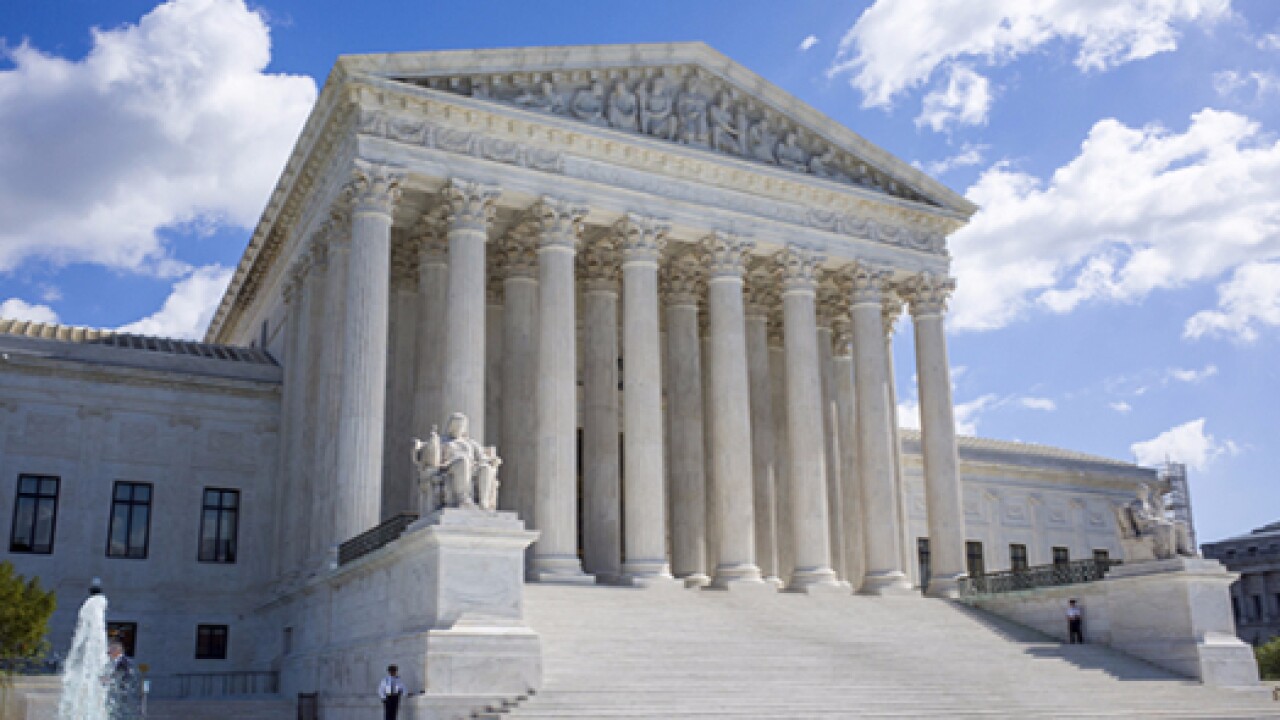
The court struck down a 2015 update to the Telephone Consumer Protection Act, which permitted robocalls to cellphones for government-related debt collection.
July 6 -

Small banks have long led the campaign against industrial loan companies, arguing they can be used to violate the separation of banking and commerce. But now the industry’s heavyweights are also taking a hard line in response to an FDIC proposal that would give tech companies a smoother path into the lending business.
July 6 -

The Trump administration released details of almost 4.9 million loans to businesses — from sole proprietors to restaurant and hotel chains — under the federal government's largest coronavirus relief program so far, the $669 billion Paycheck Protection Program.
July 6 -

The $338 million-asset institution already serves more than 3,000 members in the county who were able to join through affiliations with Harford County.
July 6 -

Deutsche Bank says it’s on track to meet its financial targets while Commerzbank's top two executives resign; recent Fed stress test results show European banks' poor performance in U.S. continues.
July 6 -

As PPP enters forgiveness phase, some banks see outsourcing as best move; after the Fed’s stress tests, Wells Fargo to cut dividend while other big banks boost capital buffer; Supreme Court strikes down CFPB leadership structure; and more from this week’s most-read stories.
July 2 -

While elevated loan-loss provisions are expected to eat into all banks’ earnings, midsize banks could suffer more than their big-bank rivals because they have fewer revenue drivers. Meanwhile, investors will be watching closely for any signs of dividend cuts stemming from the Federal Reserve’s caps on payouts.
July 2


