
Regulation and compliance
Regulation


-

There are several forbearance measures the agencies can take now to keep banks from failing in a downturn triggered by the coronavirus.
March 17 -

The Australian firm agreed to pay around $1 million in connection with allegations that it broke the law by operating without a license in the nation's largest state.
March 17 -

The National Credit Union Administration also ordered its own employees to work from home until at least the end of March.
March 16 -

As the health crisis upends the United States, credit union trade groups have called for lawmakers and regulators to provide relief for institutions dealing with the pandemic's impact.
March 16 -

The Comptroller's Office has provided banks with guidance on how to structure relationships with data aggregators. Now the bureau needs to focus on the bank-consumer connection.
March 16 -

The OCC and FDIC said banks should consider waiving fees, be flexible with loan repayments and that they would not be penalized if they close branches for precautionary reasons.
March 13 -

The biggest U.S. banks are once again preparing to show how they'll be able to withstand a severe economic shock in a hypothetical doomsday scenario, and they're eager to get on with it as a real one unfolds.
March 13 -
Facebook and other social media platforms are a powerful way to connect members and loan officers, but lenders must ensure they first have a culture of compliance.
March 13 -

If banks are unable to weather the economic fallout from the outbreak, calls for more dramatic reforms could get louder.
March 13 -
E-commerce firms and payment apps can reach new users and investors through crowdfunding, says Prime Trust's Bruce Dyer.
March 13 -

William Isaac and Howard Milstein plan to provide advice to U.S. and foreign banks of all sizes.
March 12 -

Acting Deputy Director Leonard Chanin formerly was a deputy general counsel at the Cincinnati bank that is now in the bureau's crosshairs for allegedly opening unauthorized accounts.
March 12 -

In the tug-of-war between banks and third parties over who controls access to customer account data, payments are primed to play a key role as banks start to take action and regulators begin to weigh in.
March 12 -

The OCC and FDIC’s proposal for modernizing the community reinvestment law would give banks below $500 million of assets the option to keep the current regime. But bankers and industry representatives say that threshold should be higher.
March 12 -
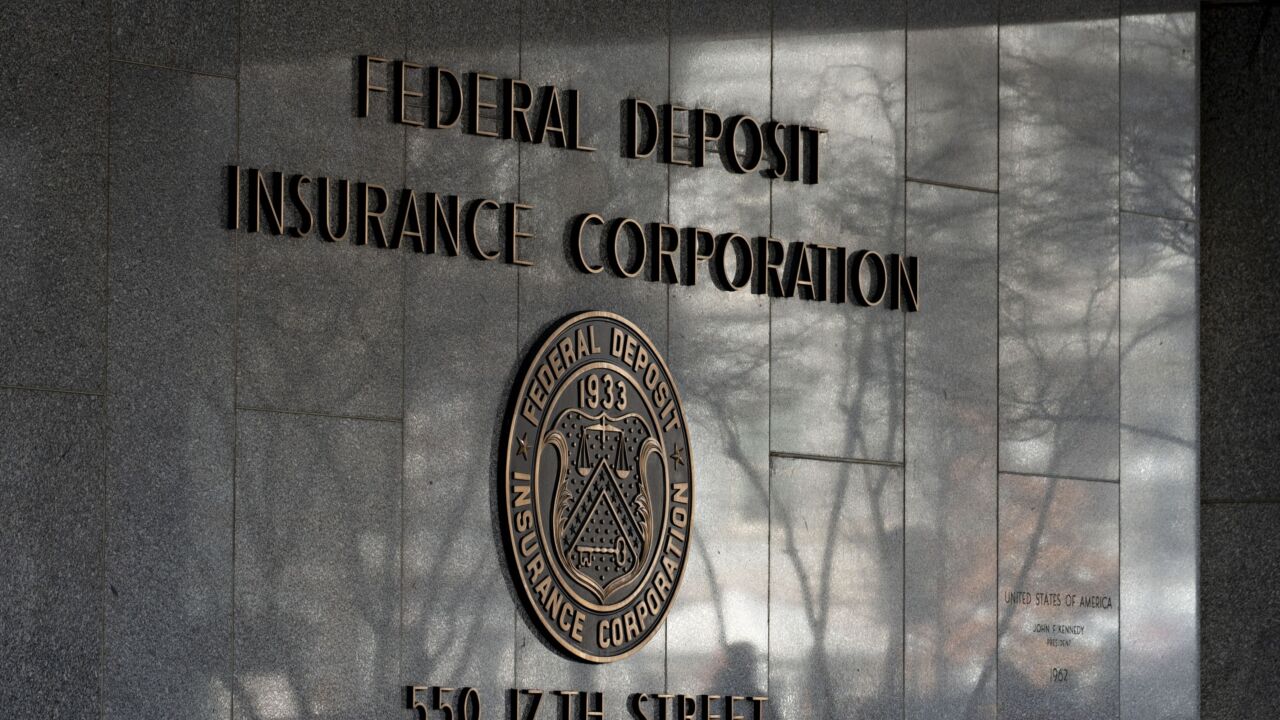
A decision by regulators on how to move forward with the controversial charter could have broad implications for fintech firms that want to enter the banking system.
March 11 -

The bank’s former chair expressed regret over comments attributed to her in a House report, while Democrats and Republicans butted heads over whether the hearing was necessary.
March 11 -

Banks may be protected from a direct hit, but they have invested in vehicles that include such loans, potentially exposing them to defaults.
March 11 -

Kathy Kraninger was grilled about whether her agency and others were doing enough to cushion consumers from the economic blow of the coronavirus crisis.
March 10 -

House Democrats maintained their criticism of the bank during Charlie Scharf's first hearing, but Republicans suggested it is on better footing now that many top leaders have been replaced.
March 10 -

Community bankers keep harping on the illusory issue of "too big to fail." If they're serious about strengthening the economy, they should make more of an effort to unite the industry, not divide it.
March 10


