
-
Bank lobbyists are increasingly worried that the Senate Republicans may go further than the House in taxing large financial institutions as part of their reform push.
November 8
-
Fed Gov. Jerome Powell, who was first nominated to the central bank by former President Obama, is widely seen as a continuity choice.
November 2
-
Discussions on a regulatory relief package between the top Democrat and Republican on the Senate Banking Committee broke down late Tuesday, but members from both parties remain hopeful they can reach a bipartisan deal.
November 1
-
Discussions on a regulatory relief package between the top Democrat and Republican on the Senate Banking Committee broke down late Tuesday, but members from both parties remain hopeful they can reach a bipartisan deal.
November 1 -
Momentum is building to replace the hard-target $50 billion asset systemic risk threshold for banks with an indicator test, but it remains unclear whether it will be enough to get Congress to act.
October 27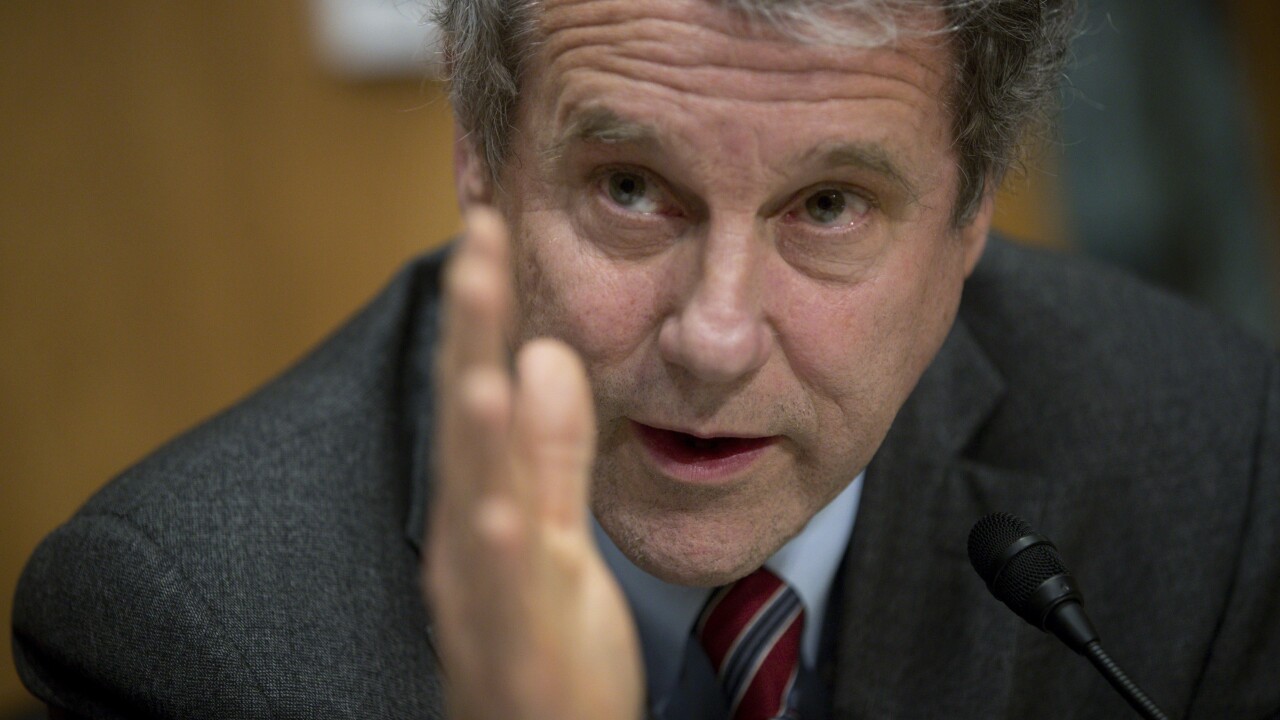
-
Top executives at nineteen regional banks sent a letter to the Senate Banking Committee endorsing a bill that would change the systemically important financial institution threshold from $50 billion in assets to an indicator test.
October 23
-
Senate lawmakers will soon introduce a bill that could more than quadruple the current $50 billion threshold to be considered a systemically important bank, National Economic Council Director Gary Cohn said Monday.
October 16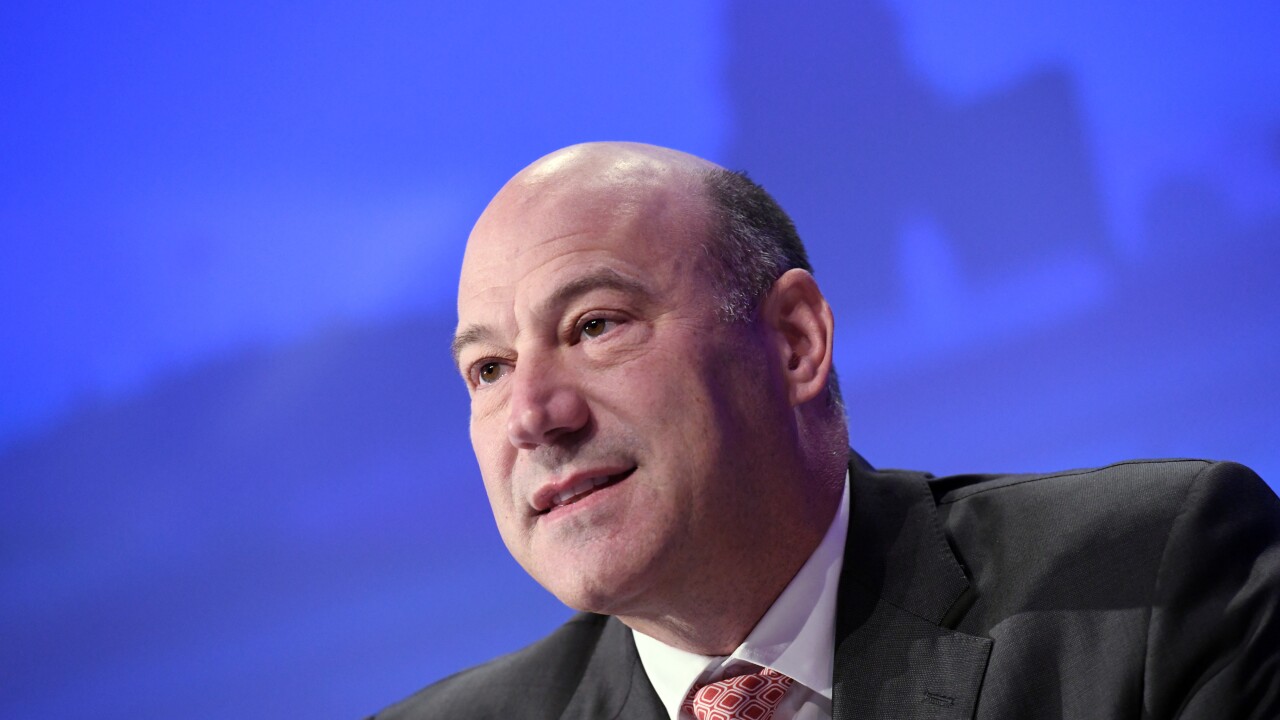
-
Congress may soon try to limit the personal identifiable information that companies and the government can collect on consumers based on their reaction to the massive data breach at Equifax.
October 4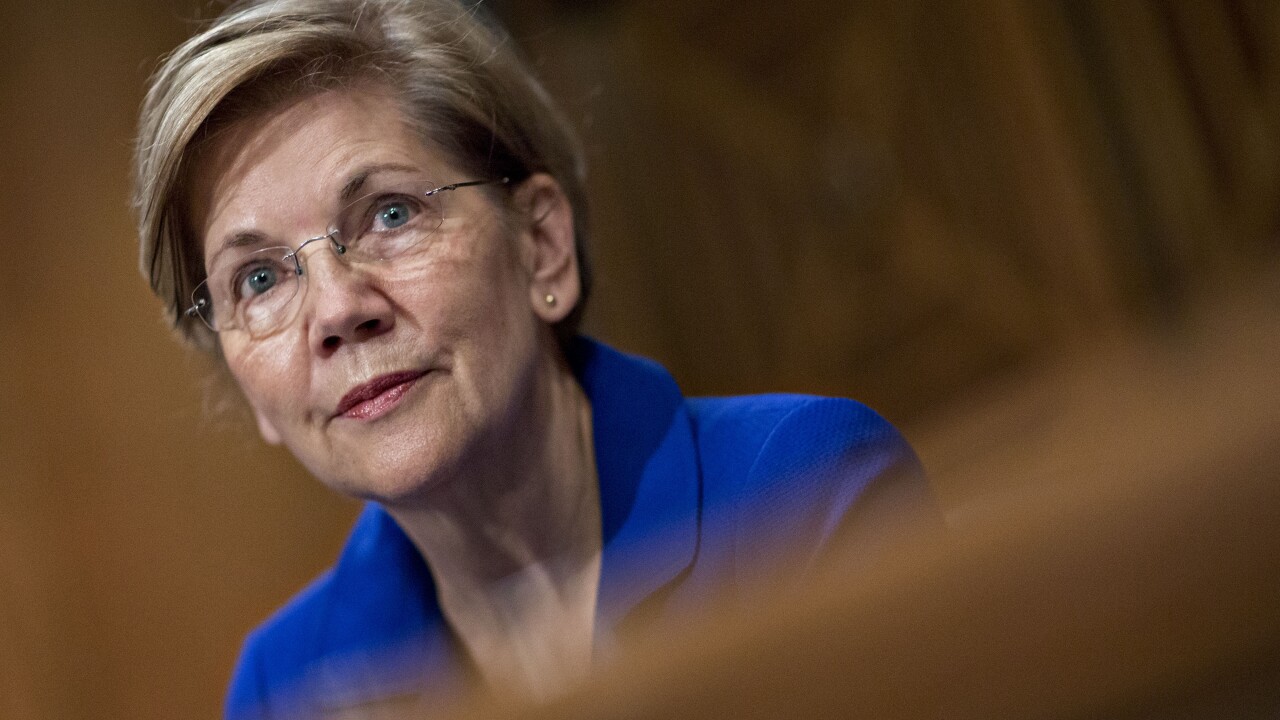
-
Under the bill, regional banks may eventually be able to shed the systemically important financial institution designation that subjects those with more than $50 billion in assets to tougher regulatory requirements.
September 28
-
Equifax observed an increasingly well-worn ritual of scandal-ridden firms by jettisoning CEO Richard Smith: apologize, promise to do better in the future, and sacrifice your top executive in the hopes it will ward off action by Congress and regulators.
September 26
-
Democrats have strived to paint recent scandals at Wells Fargo and Equifax as prime examples of why a regulatory rule banning mandatory arbitration agreements should be upheld, but Republicans are not wavering in their campaign to overturn it.
September 21
-
The hearings before the Senate Banking Committee have high stakes for both companies, as lawmakers are expected to ask the CEOs whether they should be fired.
September 21
-
Lawmakers like Sen. Tim Scott may feel differently about some elements in a Senate regulatory relief bill depending on whether CFPB Director Cordray is remaining in office until his term expires in July.
September 20
-
Few lawmakers have stated positions on fintech applications for industrial loan company charters. It may not stay that way.
September 13 -
A mishmash of lawmakers from different parties and committees are wading into the aftermath of Equifax’s megabreach, with some using it to advance their policy agendas while others are calling for possible criminal prosecution.
September 12
-
Senate Banking Committee Chairman Sen. Mike Crapo, R-Idaho, said he is considering holding another hearing on Wells Fargo following the bank's recent missteps.
September 7 -
The nominations of Randal Quarles as Federal Reserve Board vice chairman and Joseph Otting as comptroller of the currency will now head to the full Senate.
September 7
-
As banks press for deregulation, the debate over whether high bank capital standards are inhibiting loan growth has taken center stage.
August 8
-
The House voted 231 to 190 on Tuesday to nullify the CFPB's rule banning mandatory arbitration clauses, but the outcome in Senate is unclear.
July 25
-
House and Senate lawmakers formally filed resolutions on Thursday to repeal the Consumer Financial Protection Bureau's arbitration rule, but there were early signs that enacting them may prove challenging.
July 20


