

New rules means sellers and servicers will need to have plans demonstrating proper oversight of their artificial intelligence and machine learning practices.


The latest generation of anti-money-laundering software uses agentic AI to help alleviate AML alert fatigue. Experts say this use of the technology is promising, though they offer some caveats.


-

New Mountain Capital is combining three companies in its portfolio: the Rawlings Group, the payment-integrity business of Apixio, and a recently acquired firm called Varis. The new entity would use AI to track health plans' payments to doctors and hospitals.
-

Diane Offereins retired from a top job last year amid scrutiny of the card network's charges to merchants. Now she's suing Discover over its decision to cancel unvested stock worth $7 million.

-

The card brands and tech giants are expanding their payments reach in one of the world's largest markets, while facing a multi-billion-dollar class action complaint by British businesses over fees. That and more in American Banker's weekly global roundup.


-

Wells Fargo plans to pilot a digital advice platform in early 2017, according to a high-ranking executive at the wirehouse.

-
Bank of America, the second-biggest U.S. bank by assets, said second-quarter profit fell 21% as it took an accounting charge and posted a decline in wealth management revenue.
-
The U.K.'s mobile-first Starling Bank has received a banking license from the Financial Conduct Authority and Prudential Regulation Authority.


-

The agency is still moving forward on key regulations dealing with payday lending and mortgage underwriting despite new demands posed by the crisis.

-

The Borrower Protection Program enables the two agencies to exchange information about loss mitigation efforts and consumer complaints regarding specific servicers.
-

Republicans balked at measures like an overdraft fee ban and interest rate cap in the recent stimulus bill, but Sen. Sherrod Brown, D-Ohio, isn’t done trying to add such proposals to future relief packages.


The private student loan market is dominated by large players, but some community banks are turning to a third-party tech company to help them get in the game.


Analysts say lenders' shares could rally on deregulation, lighter tax burdens and a resurgence of M&A. Declining interest rates and lower loan losses could further bolster bottom lines and attract investor interest.

The Trump administration has brought deregulation and staff cuts to the Consumer Financial Protection Bureau, leaving many wondering what's next.


-
Despite regulatory efforts, applications for traditional new banks often now require lengthier review periods for approval than in the last several decades. Here are some key ways to lighten this burden.

-

Banks in the U.S. tend to exist for about half the life span of the average human being. It doesn't have to be that way.

-

The National Credit Union Administration is addressing two of the main reasons why new institutions aren't being formed — making it easier for the organizers to raise the required capital and easing the burden of the application process, says Todd Harper, the agency's chairman.


-
A bipartisan housing provision has emerged as a critical negotiating point for passage of an uncommonly bank-relevant defense authorization bill.


-
More than 400,000 consumers may be affected after Marquis Software Solutions suffered a breach traced to a bug in SonicWall software disclosed last year.


-
Midland States Bancorp has completed three major asset sales in the past 12 months, exiting national business lines and shifting focus to its core community banking franchise.


-
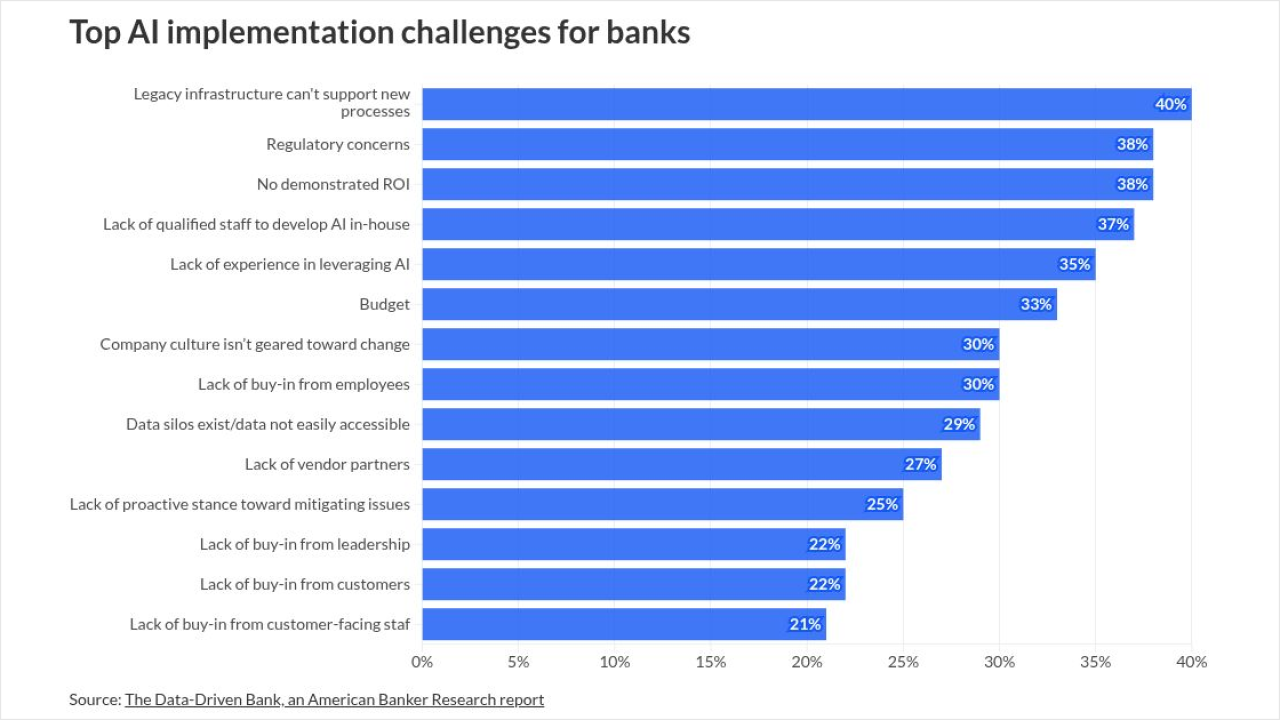
Employees throughout the company can use generative AI to query data from sales calls, email, invoices and a host of other information sources.

-
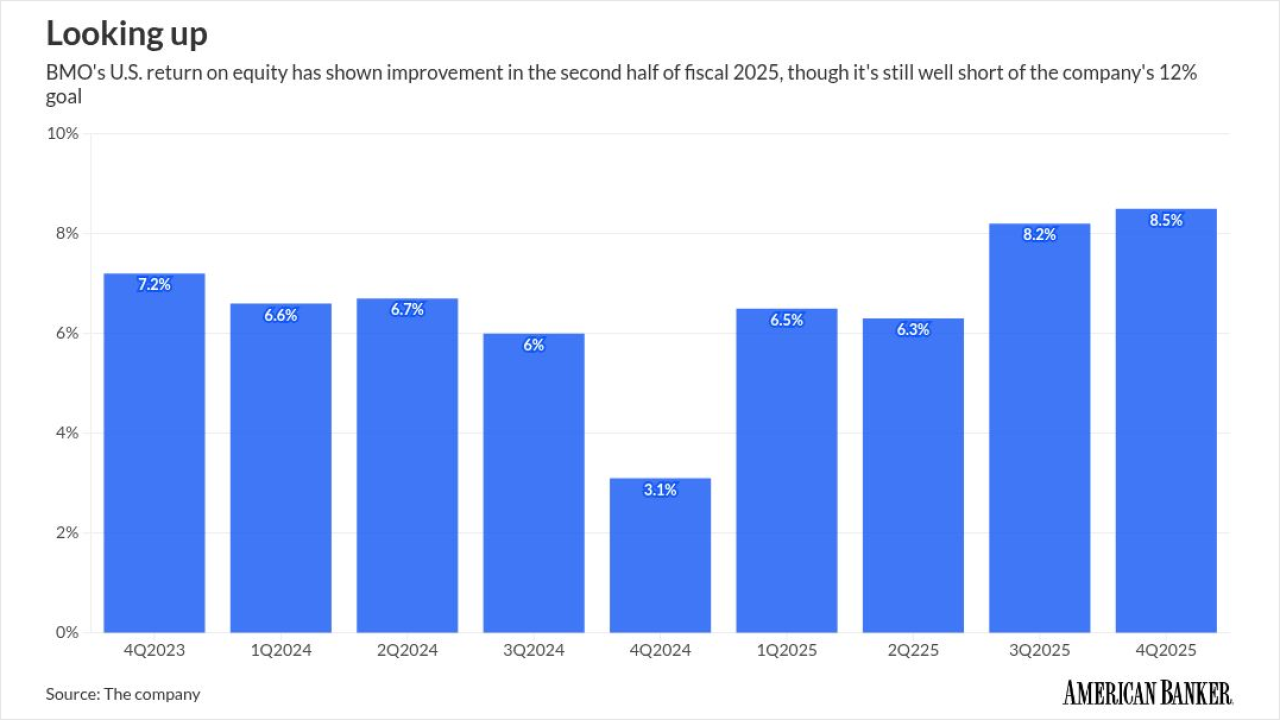
The Canadian bank is determined to grow its U.S. business organically, CEO Darryl White said Thursday. But with so much excess capital, analysts wondered about the bank's appetite for M&A.

-
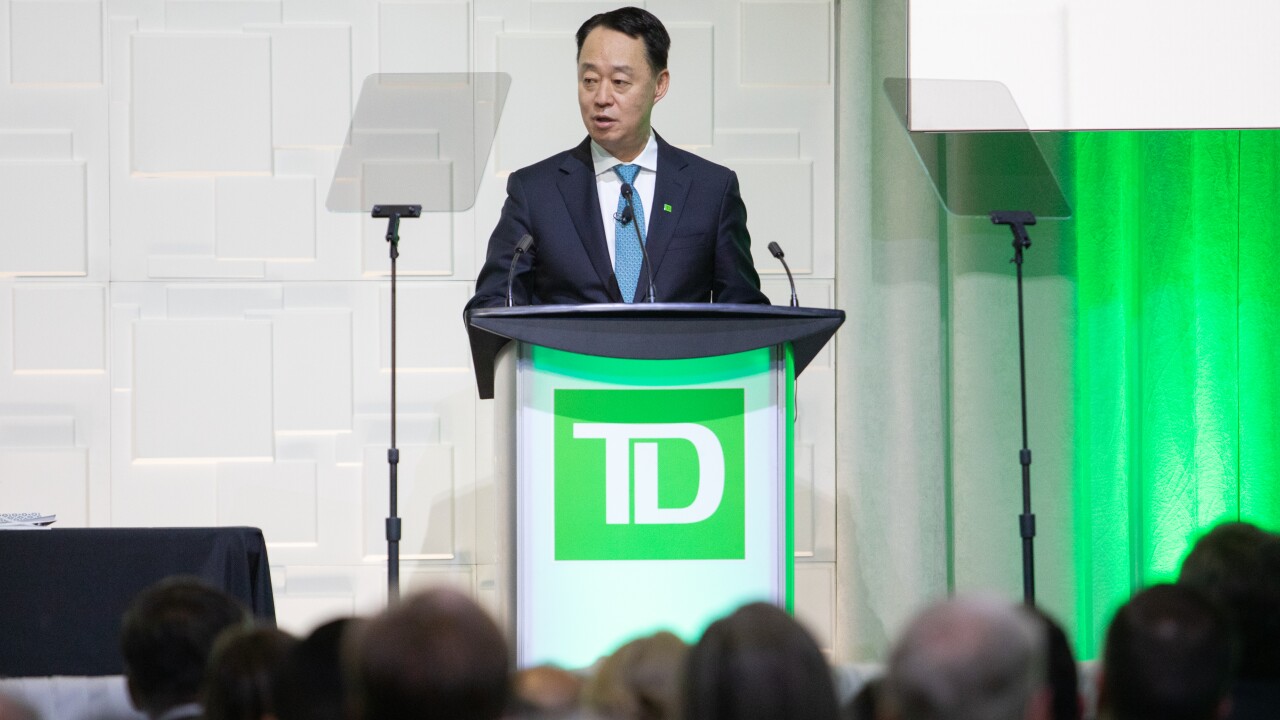
The Canadian bank still has more work to do as it rolls out additional processes, technology and training. TD will also have to prove to regulators and the U.S. Department of Justice that its actions are sustainable.



- Daily BriefingDelivered Every WeekdayIdeas that impact your business delivered to your inbox every day.
- TechnologyWednesday, ThursdayThe latest industry developments from digital banking to cybersecurity to AI.
- PaymentsDelivered Every WeekdayAn early-morning roundup of important headlines from the past 24 hours.
- Best of the WeekFridayThe most important and widely read stories from the previous week.

The Federal Reserve, Office of the Comptroller of the Currency and Federal Deposit Insurance Corp. issued a final rule Tuesday that softens leverage demands for the biggest and most systemically risky banks and lowers the community bank leverage ratio to 8%.

New guidance from the Office of the Comptroller of the Currency released Monday afternoon would streamline Bank Secrecy Act exams for community banks. The agency issued a separate request for information on consolidation and contracting power among core service providers.


The 23rd annual ranking of women leaders in the banking industry.
-
 Sponsored by Akoya


-
 Sponsored by Talkdesk
 -
 Partner Insights from Akamai Technologies
 -
 Partner Insights from Blend
 -
 Partner Insights from DocuSign


