

The consumer intelligence company alleged that Chime willfully misused J.D. Power's name and trademark in its marketing materials. The neobank said it would "vigorously" defend its position.


Upon receiving a conditional U.S. charter approval, 25-year-old CEO Ferdinand Dabitz is assembling a team of industry experts to build a new kind of bank.


-
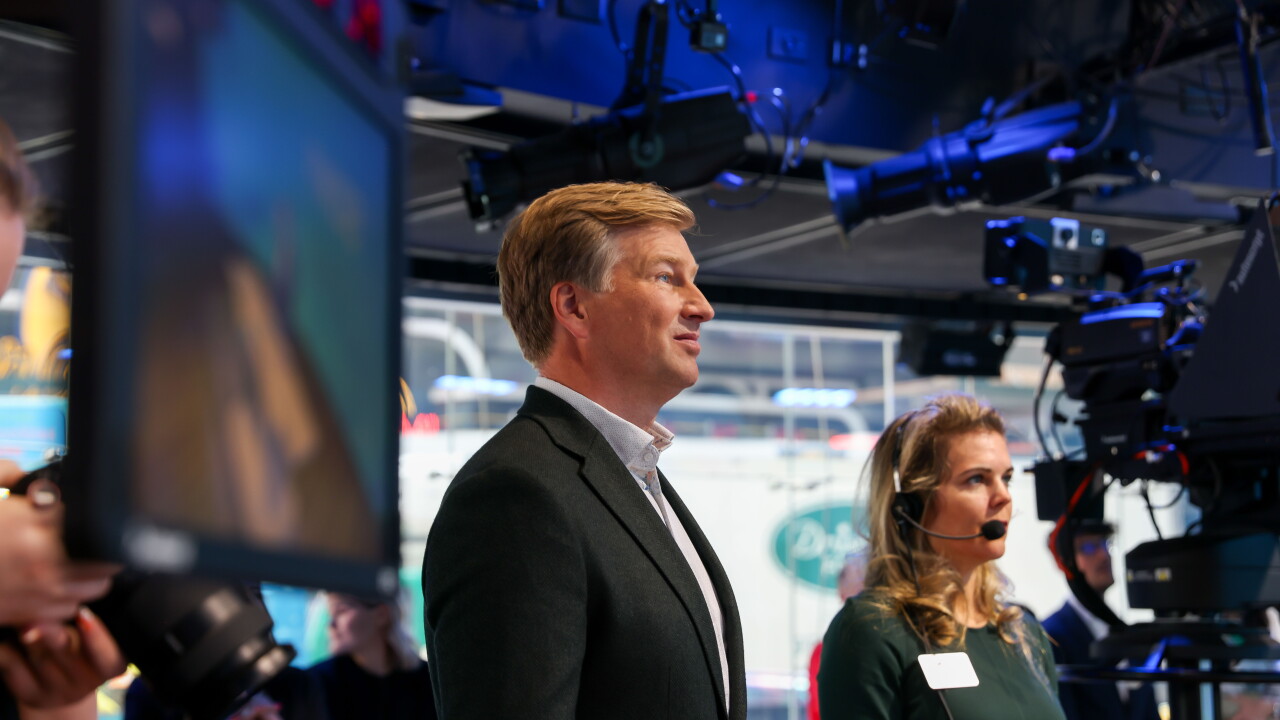
Belgian prosecutors say they're finalizing charges over €500 million in suspect transactions. Wise calls the case, like its U.S. run-ins, a routine matter.

-

Federal Reserve Bank of Minneapolis President Neel Kashkari said in a speech Tuesday morning that he doubts the usefulness of stablecoin technology in payments and its ability to expand the reach of the U.S. dollar, a perspective that contrasts with many crypto boosters in the Trump administration.

-

A federal judge blocked Illinois from enforcing its interchange fee ban for taxes and tips against national banks and card networks after the Office of the Comptroller of the Currency's recent intervention materially altered the court's preemption analysis.


Berkshire Hathaway's banking-related investment strategy is murky, after the arrival of new leadership and the sale of its stakes in Visa and Mastercard.


Treasury Secretary Scott Bessent downplayed senators' concerns about higher costs for Americans, noting average yearly inflation is lower than during the pandemic, while also confirming acting Attorney General Todd Blanche's Tuesday claim that the administration will not move forward with a $1.8 billion "anti-weaponization fund."


-

The crypto industry thought it could do trust better than the banks, found out it couldn't and realized it needs rules to guarantee trust.

-
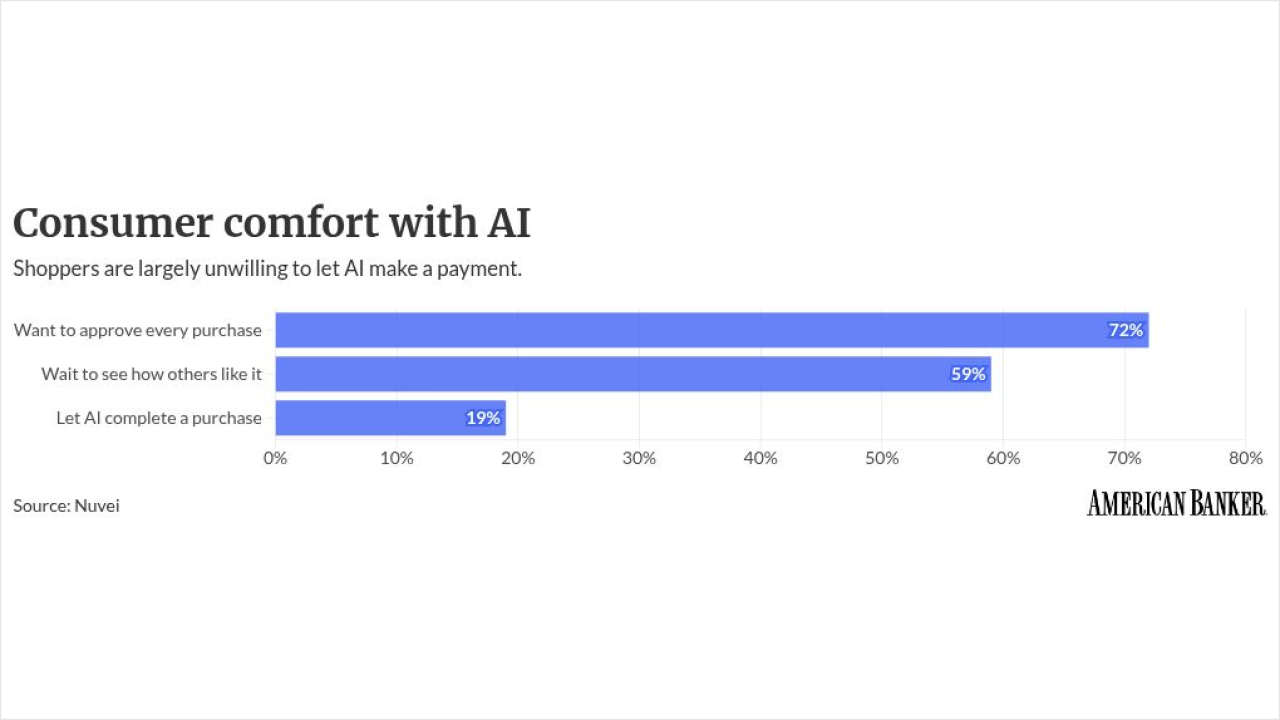
People are becoming increasingly wary that things they see, read and hear may be AI-generated rather than authentic. To maintain customer trust, banks need to leave no doubt that they are people-driven organizations.

-
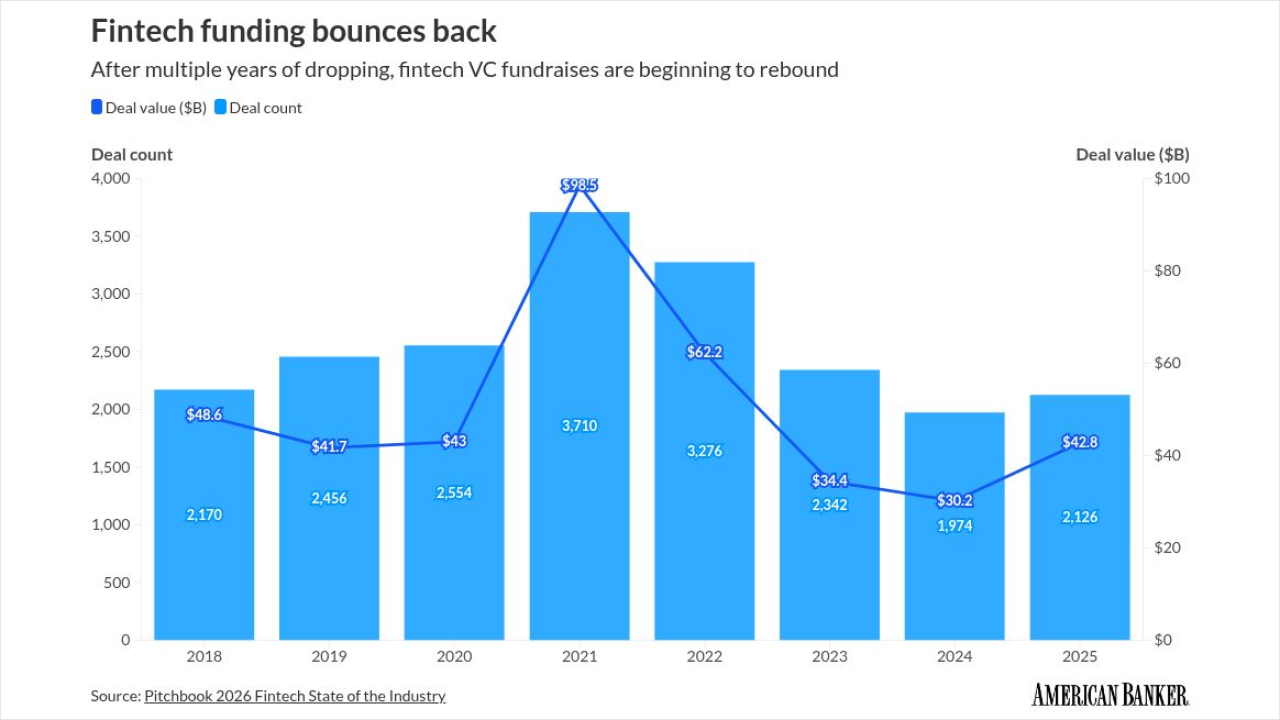
The narrative of fintechs as dramatic disrupters of traditional finance is wearing thin these days. More and more established fintech firms have discovered the value of respectability, and deemed it to be worth the cost.


At some banks, executives are overpromising results and putting tremendous pressure on tech teams, leading to a range of problems.

-

Even the Federal Reserve has limited visibility into the nonbank and private credit markets. That's a problem for banks that are increasingly lending to those sectors.
-

Applications from Enova International and Opportunity Financial for national bank charters present a danger to consumers. The Federal Reserve and Office of the Comptroller of the Currency should block them.

-

Mortgage industry participants say Federal Housing Finance Agency Director Bill Pulte's new role as acting director of national intelligence could imperil progress on a potential initial public offering of Fannie Mae and Freddie Mac.


-

Stephan Feldgoise and Joshua Schiffrin will join Goldman Sachs' management committee; Fidelity Investments is dismissing about 800 personnel as it restructures its technology and product-delivery teams; Citi has hired JPMorgan's André Ross as its country officer and banking head for South Africa; and more in this week's banking news roundup.

-
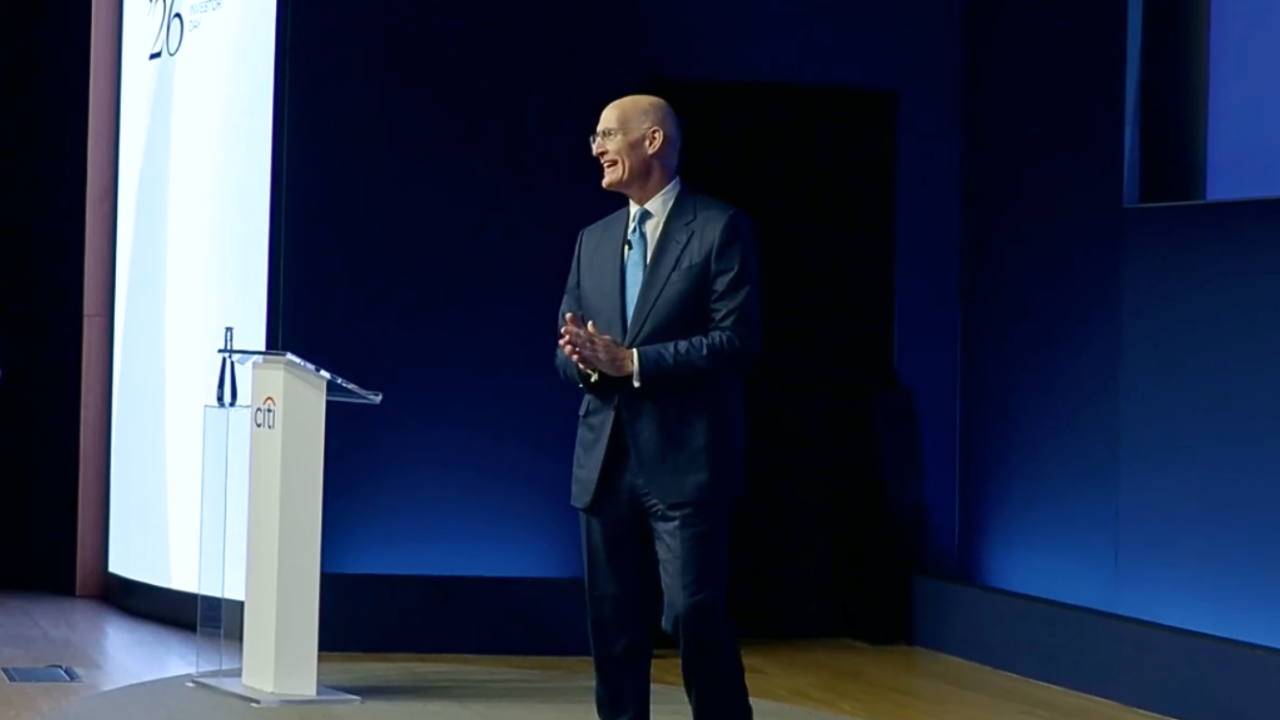
Wealth head Andy Sieg sees bank-based advisors as key to securing more of the $3 trillion its U.S. banking customers hold elsewhere. But he's also looking to AI.

-

The megabank's first investor day in four years offered a comprehensive look at how it plans to grow profits and drive higher returns in the coming years. Part of the strategy involves branch updates.


-

The Mortgage Bankers Association now predicts a Federal Reserve rate hike to arrive in 2027, as housing price growth also slows over the next two years.

-

Foreclosure filings were reported on 42,430 properties in the United States last month, down 8% from the month prior but up 18% from a year ago.

-
The Federal Housing Administration put an end to pandemic-era relief last year, triggering a 28% jump in foreclosures on FHA loans in the first quarter and an expected spike in defaults ahead.


-
The Federal Reserve's former top regulator said recent efforts to reform regulation and supervision have boosted executive compensation and share buybacks, not the broader economy.
-
New York borrowers want the Supreme Court to rehear a case requiring banks to pay interest on mortgage escrow accounts, due to a split among appellate courts.

-
Federal Reserve Board Governor Jerome Powell's decision to remain on the board he once led combined with a lack of explicit rules governing Fed governance could lead to a power struggle that hasn't been seen in a generation.

-
The card networks are pouring funds into on-site development of emerging payment innovation amid rival efforts to dilute U.S. influence.


- AB - Policy & Regulation
A retrospective paper on the former Federal Reserve chair's tenure offers takeaways that speak directly to his successor's policy agenda.

-
The payments network made a series of six staffing shuffles targeting the upper echelons of its organization as part of an effort to simplify global management while bolstering top-tier talent.


- Partner OffersDelivered as neededIndustry expertise from trusted associates and experts.
- Subscription OffersDelivered as neededAnnouncements of special offers and other unique opportunities.
- Wallet
-
-
The card networks are pouring funds into on-site development of emerging payment innovation amid rival efforts to dilute U.S. influence.
-
A retrospective paper on the former Federal Reserve chair's tenure offers takeaways that speak directly to his successor's policy agenda.
-
The payments network made a series of six staffing shuffles targeting the upper echelons of its organization as part of an effort to simplify global management while bolstering top-tier talent.


The demise of the banking industry in the U.S. has been incorrectly predicted for generations. The truth is that the industry never dies, because it never stands still.


- Sponsored by S&P Global
-
 Partner Insights from Dell Technologies with NVIDIA
 -
 Partner Insights from Q2 Software
 -
 Partner Insights from Blend


