

The U.K. bank has completed a payment using the stablecoin alternative; while Revolut is trying to acquire Turkish neobank FUBS. Plus: execs tied to the Wirecard scandal are on their way to prison and more in the American Banker global payments and fintech roundup.


Experian and Finicity have released a product that aims to speed up decisions on mortgage applications, using financial data aggregation technology.

-

The senators introduced legislation that would limit the interest rate card issuers are able to charge holders for the next five years.

-

With analysts citing pressure from fintechs, CEO Alex Chriss says artificial intelligence is expanding the company's payment and marketing tools as PayPal battles Stripe, Block and other rivals.

-

As Elon Musk and his associates gain access to internal computers, Oregon Democratic Sen. Ron Wyden slammed the move and said it poses a national security risk. Musk said the Treasury system isn't adequately fighting fraud and is also attempting to shut down USAID.


Some banks are turning to artificial intelligence to help broaden their applicant pools and identify the candidates who display the passion, the aptitude and the leadership skills they are looking for.


-

Michael Lewis calls it a "pump-and-dump" scheme. Liz Ann Sonders says it's "the next kale." Should clients invest in cryptocurrencies?

-

Following in the footsteps of Chase, Wells Fargo and others, Fidelity is launching an application programming interface to let third-party apps access customer data — as long as the customers grant permission.

-

There are sobering conclusions to be drawn from a new report by the National Credit Union Foundation, funded by CUNA Mutual Group.


-

The Consumer Financial Protection Bureau has taken a hands-off approach to servicers during the pandemic. But with forbearance plans set to expire and President-elect Biden likely to appoint new CFPB leadership, companies lacking aggressive plans to help borrowers could face tougher enforcement.

-
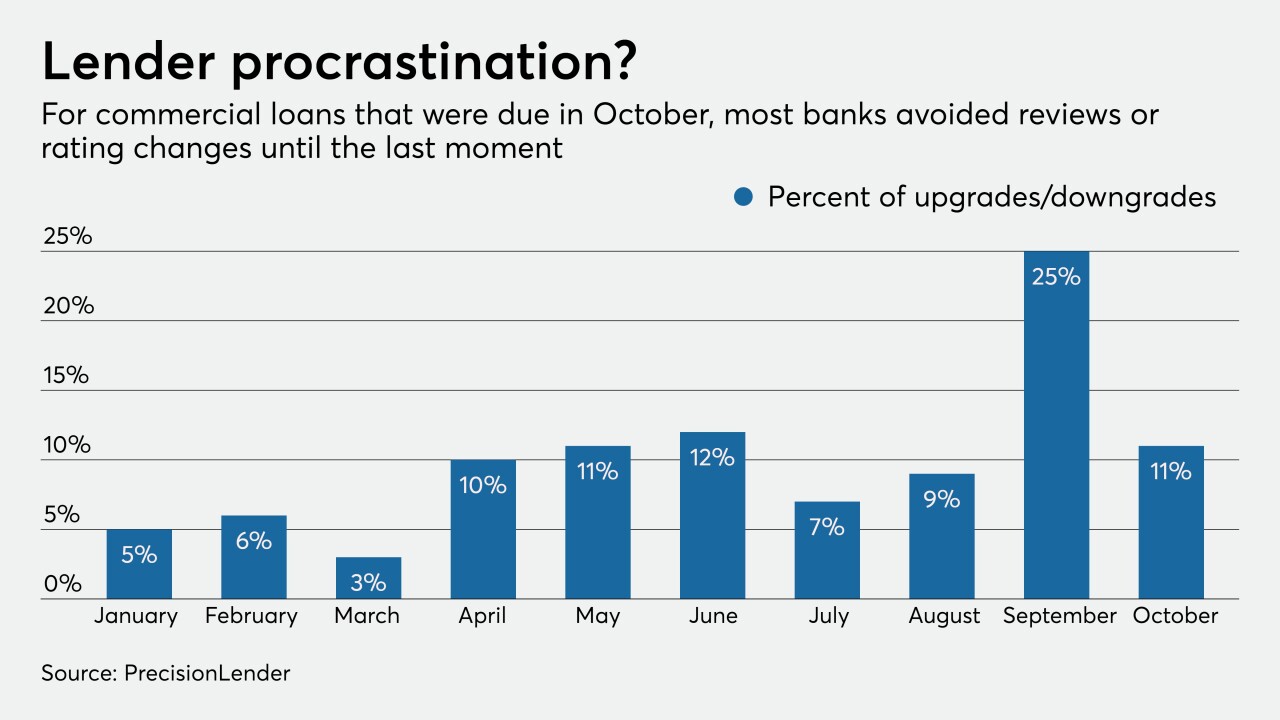
Some lenders are poring over commercial portfolios more frequently than normal — perhaps as often as once a month — to uncover problems hidden by payment deferrals and government stimulus before it's too late.

-

On the same day that Mr. Cooper announced a settlement with state and federal authorities over its servicing practices, the Dallas company, U.S. Bank and PNC reached separate agreements with DOJ regarding bankrupt borrowers.


Brian Moynihan, chairman and CEO of Bank of America, said the future of banking lies in tech.


The case has put chief information security officers on notice that they could be personally liable for false statements about security policies and practices.


-

Judicial review of bad rulemaking is a right that all regulated industries enjoy. But some industries avail themselves more than others, and the ones that rely on it the most tend to get worse policies. Banks should take notice.

-

Credit card late fees are annoying, but that's why they work as a disincentive to prevent late payments. By making them much smaller, the CFPB will actually be working against the interests of low-income consumers.

-
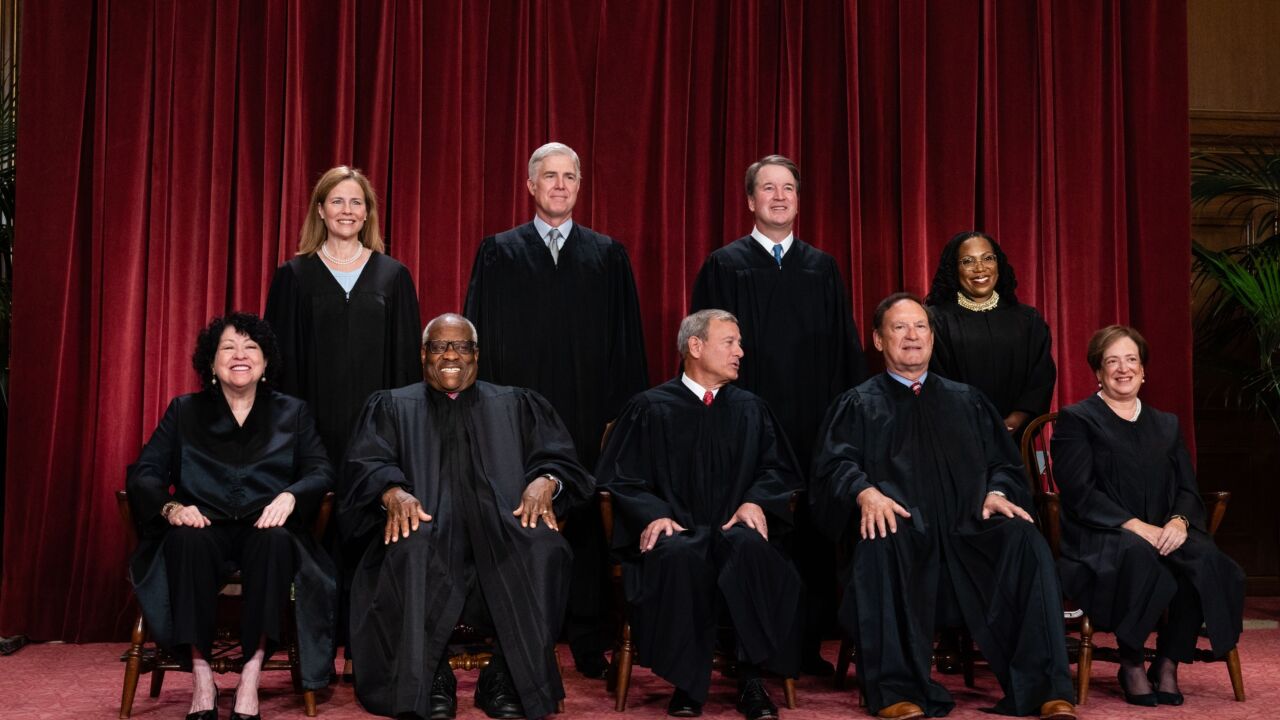
Increased federalization of the U.S. banking industry would be a disservice to consumers and the economy. The court must act to protect the vibrancy of the dual-banking system.


-
Bank First in Manitowoc, Wisconsin, has completed its acquisition of Centre 1 Bancorp in Beloit; Citi plans to shed its remaining Russian operations; Heritage Financial in Olympia, Washington, has received regulatory approvals to acquire Olympic Bancorp; and more in this week's banking news roundup.
-
The lender traps consumers in an "exploitative cycle of debt," Brandon Scott said.

-
Following the passage of federal legislation, stablecoins are generating a lot of buzz, but are still seeking uses beyond investment. Payment firms are pushing technology to entice merchants and consumers to support the digital asset.

-
The merger of equals, which received a chilly reception from investors when it was announced in July, closed faster than analysts had expected.


-
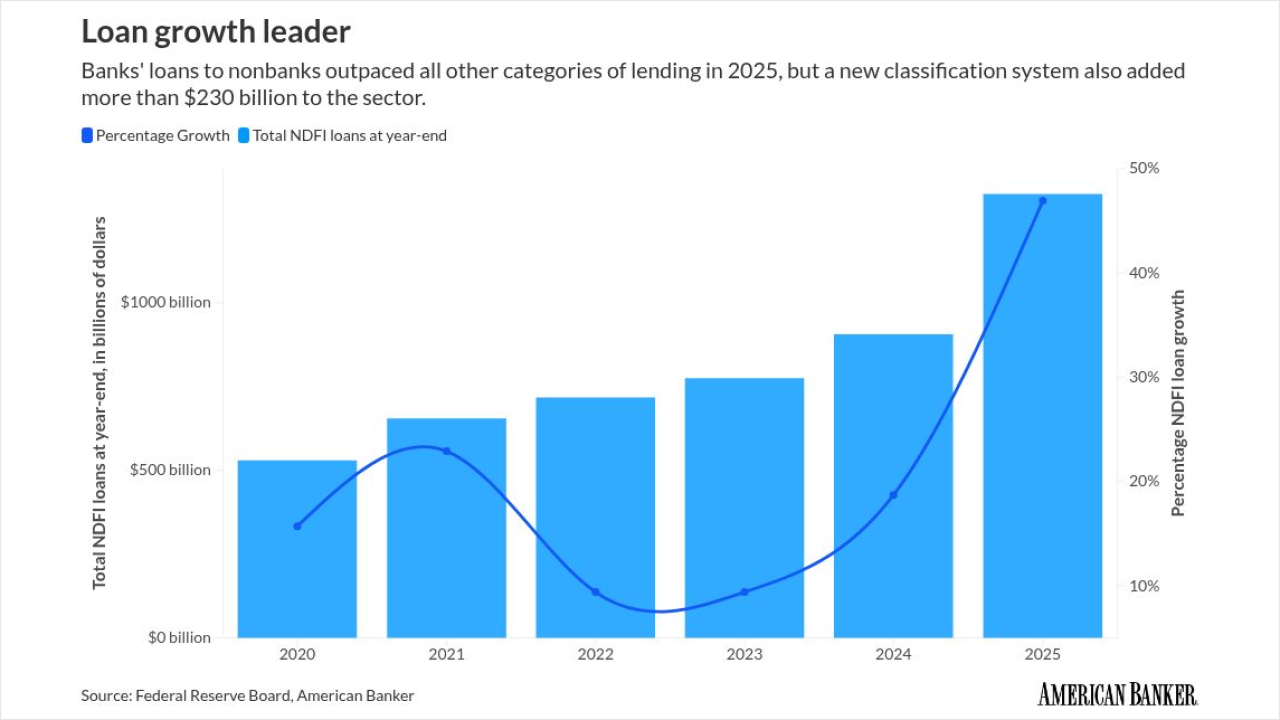
Last year highlighted the risks for banks in lending to nondepository financial institutions. A new approach by Trump-era regulators could change the playing field.

-
Articles about the AI deployments of big banks and of scammers generated clicks from American Banker readers.


- Daily BriefingDelivered Every WeekdayIdeas that impact your business delivered to your inbox every day.
- TechnologyWednesday, ThursdayThe latest industry developments from digital banking to cybersecurity to AI.
- PaymentsDelivered Every WeekdayAn early-morning roundup of important headlines from the past 24 hours.
- Best of the WeekFridayThe most important and widely read stories from the previous week.

Cockroaches, crazy work and shots in the butt: Here are some of the most quotable bank CEOs of 2025.

Michigan State University Federal Credit Union avoided $2.57 million in fraud exposure through blocking AI deepfake fraud calls with Pindrop products.


The 23rd annual ranking of women leaders in the banking industry.


- Sponsor Content from FintechOS
-
 Sponsor Content from Elan Credit Card
 -
 Sponsor Content from Elan Credit Card
 -
 Sponsor Content from 3PillarGlobal


