

While overall payments declined, the financial sector remained the top payer to cybercriminals, surpassing both health care and manufacturing.


The once-icy relationship between banks and fintechs thawed quite a bit in the last year. The next step might be for banks to start buying startups.

-

New Mountain Capital is combining three companies in its portfolio: the Rawlings Group, the payment-integrity business of Apixio, and a recently acquired firm called Varis. The new entity would use AI to track health plans' payments to doctors and hospitals.
-

Diane Offereins retired from a top job last year amid scrutiny of the card network's charges to merchants. Now she's suing Discover over its decision to cancel unvested stock worth $7 million.

-

The card brands and tech giants are expanding their payments reach in one of the world's largest markets, while facing a multi-billion-dollar class action complaint by British businesses over fees. That and more in American Banker's weekly global roundup.


A near-collapse of the global software vulnerability database exposed critical weaknesses that could leave banks unable to track cyber threats.


-
The investment banking firm's GS Bank unit has added a large number of consumer deposits since spring, but its success hasn't been cheap.

-

The three custody banks had been projected to post weak second-quarter results because of a lull in foreign exchange trading. Then Brexit happened, and everything changed.

-

Wells Fargo plans to pilot a digital advice platform in early 2017, according to a high-ranking executive at the wirehouse.


-

The Borrower Protection Program enables the two agencies to exchange information about loss mitigation efforts and consumer complaints regarding specific servicers.

-

Republicans balked at measures like an overdraft fee ban and interest rate cap in the recent stimulus bill, but Sen. Sherrod Brown, D-Ohio, isn’t done trying to add such proposals to future relief packages.

-

By helping borrowers now, banks hope customers can quickly catch up on payments once the coronavirus pandemic ends. If they can’t, interest income will remain low and charge-offs could pile up if the crisis drags on.


The Federal Reserve issued an enforcement action against the former head of Heartland Tri-State Bank, who embezzled millions of dollars after falling victim to a crypto scam.


A joint study by the Federal Reserve Bank of New York and the Bank for International Settlements found that a shift to widespread tokenization would not impact central banks' ability to transmit monetary policy, and that the technology could even prove beneficial.


-

Legislation before Congress would violate individuals' digital privacy by requiring digital wallet providers to intrusively gather and report highly personal information.

-
Despite regulatory efforts, applications for traditional new banks often now require lengthier review periods for approval than in the last several decades. Here are some key ways to lighten this burden.

-

Banks in the U.S. tend to exist for about half the life span of the average human being. It doesn't have to be that way.


-
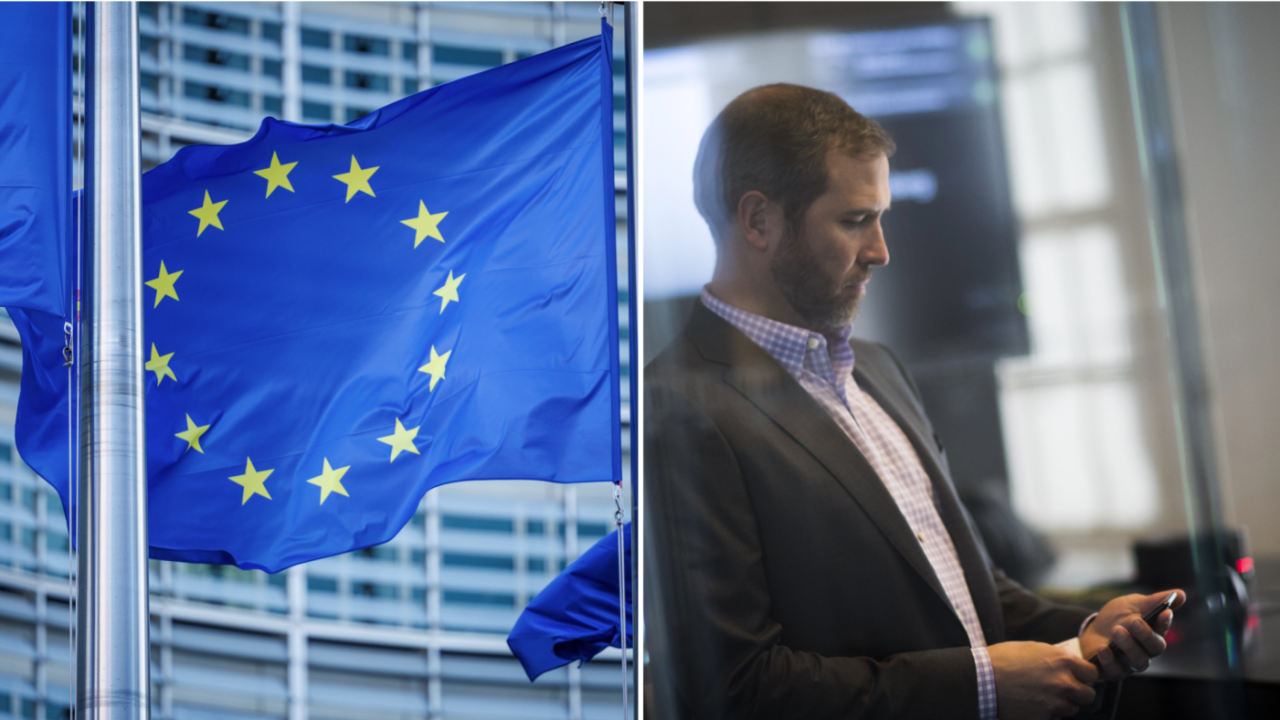
A group of European banks have formed Qivalis, which expects to launch its coin in early 2026 as a counter to the U.S. dollar-led market. Plus, Singapore regulators give Ripple permission to expand and other news in the global payments and fintech roundup.
-
Treasury Secretary Scott Bessent said the Federal Reserve Board should reject the renomination of any regional Federal Reserve Bank presidents who have not lived in their districts for three years, signaling a potential confrontation when reappointments come before the board in February.


-
In a sternly worded letter, Sen. Elizabeth Warren and Rep. Maxine Waters demanded to know why federal agencies haven't provided more guidance since the one-cent coin was discontinued. They accused the Trump administration of making an "abrupt and unilateral decision" without thinking it through.


-
Royal Bank of Canada now expects to achieve an annual return on equity of at least 17% by 2027, executives said Wednesday, up one percentage point from the bank's earlier goal.


-
Companies such as Google, Visa and Mastercard are building a framework that will allow AI agents to shop and make payments. There are signs that consumers are warming to the idea.


-
The Toronto-based loan fintech received an IFE license from Puerto Rico to launch Propel Bank.




- Daily BriefingDelivered Every WeekdayIdeas that impact your business delivered to your inbox every day.
- TechnologyWednesday, ThursdayThe latest industry developments from digital banking to cybersecurity to AI.
- PaymentsDelivered Every WeekdayAn early-morning roundup of important headlines from the past 24 hours.
- Best of the WeekFridayThe most important and widely read stories from the previous week.

HoldCo Asset Management alleged in a court filing that Comerica's directors and Chairman and CEO Curt Farmer breached their fiduciary duties to investors, in part because negotiations for the bank's sale to Fifth Third took just 17 days.

The Consumer Financial Protection Bureau said the new oath was necessary because prior leadership engaged in what it describes as "thuggery" during exams. Former CFPB officials rejected the agency's characterization of past actions.


The 23rd annual ranking of women leaders in the banking industry.


-
 Sponsored by Talkdesk
 -
 Sponsored by IntraFi
 -
 Sponsor content from Genesys
 -
 Sponsored by Talkdesk


