

The platforms, where bets are placed on everything from U.K. soccer teams to the price of bitcoin, are getting traction from investors and attention from regulators.


Artificial intelligence is expected to bring financial services to millions, yet it could also make unethical decisions that unfairly deny credit and widen the divide between haves and have-nots, says Nicolas Economou of the nonprofit Future Society.

-

The deal will allow Workday to offer Chime Workplace, the neobank's suite of enterprise financial wellness solutions, to its clients. For Chime, the partnership provides a wider reach to new potential deposit accounts.

-

Visa Inc. shut its open-banking business in the US amid regulatory uncertainty about consumer-data rights and the prospect of higher fees for customer information, according to people familiar with the matter.
-

Small practices are still mired in paper. Fiserv has joined banks such as JPMorganChase and Citizens in applying new third party transaction technology to the tricky sector.


Cloud giants are making major investments in generative AI and large language models. Their financial services clients are mostly in test-and-learn mode.


-
The Illinois company will sell Bates Cos. to an undisclosed buyer less than two years after buying the wealth management firm.

-

Funneling fees from emergency loans to feed the hungry. Supporting psychological counseling for health care heroes and financial advice for the poor. Backing retrofits of customer operations to produce protective gear for front-line medical personnel. Bankers and financial educators have tossed out the traditional playbook to help clients and communities in crisis.
-

Just over 40% of respondents with private student loans said they had worked with their lenders to come up with a plan for reduced payments.


-

The bank said it would continue to make multifamily loans to current customers that have depository or other bank relationships. The move comes amid rising concerns about the impact of high interest rates on the apartment sector.

-

The Federal Reserve vice chair for supervision said regulators will adapt supervisory practices to account for advancements in machine learning.

-

But the volume of activity for distressed properties is still lower than the historic norms, Attom Data Solutions said.


The Charlotte, North Carolina-based bank, which is focusing its growth push in the Southeast, is also planning to renovate 300 existing offices as part of an effort to attract more mass-affluent customers.


Former U.S. Bank veteran files for a de novo charter to launch VALT Bank, a tech-heavy business lender targeting 'digitally demanding' small businesses.


-
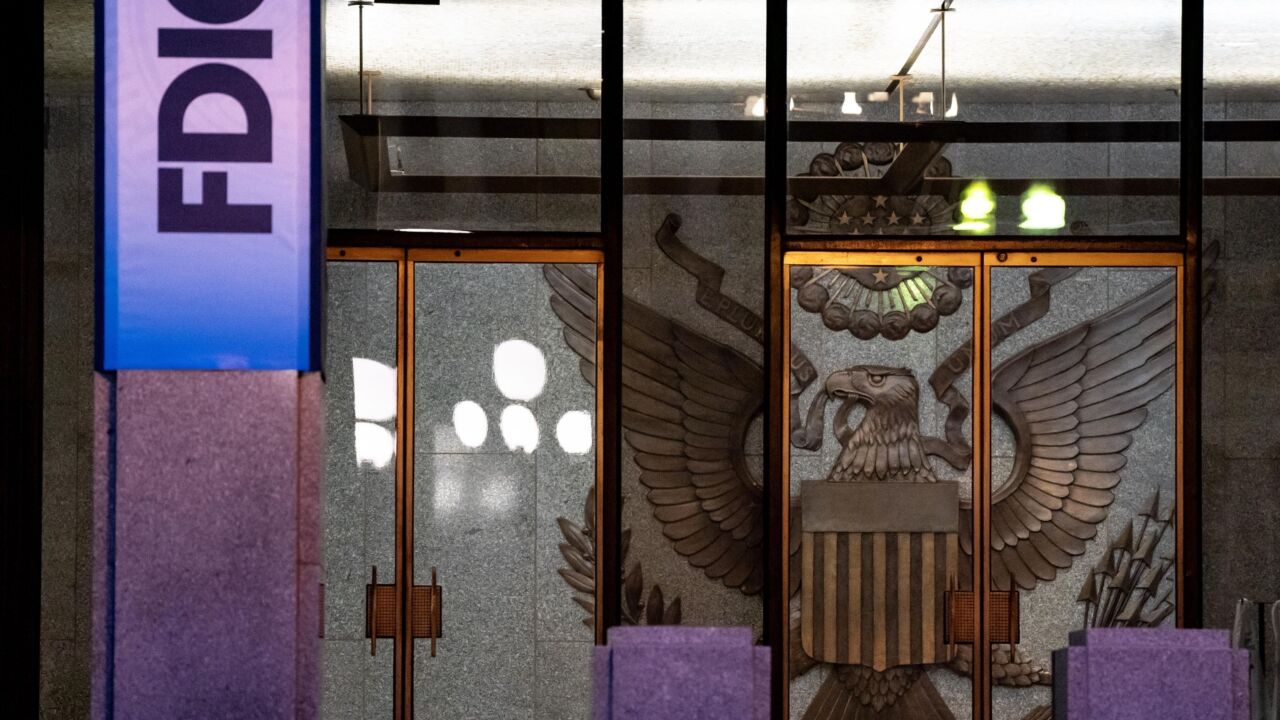
The agency's attempt to impose its oversight on asset managers who passively invest in banks is duplicative of efforts by the Federal Reserve. It will result in higher costs for banks and lower returns for investors.

-

President Donald Trump's concerted effort to bring the entirety of the executive branch under his direct control defies tradition, and in some cases, likely the law. Banks have thus far voiced little objection, but they should know how critical the rule of law is to their bottom line.

-

Too often, banks confronting a problem with their anti-money-laundering compliance opt for quick fixes that fail to address the root of the problem. Building a good corporate risk culture takes time and investment.


-
A White House Council of Economic Advisers report published Tuesday found that the CFPB cost consumers between $237 and $369 billion since its creation, an analysis that consumer advocates and some financial academics say is flawed.


-
Beneficial State Bank in Oakland has reached a three-year agreement with the Communications Workers of America. The deal follows a groundbreaking union pact the bank signed in 2021.


-
Alexis Goldstein, who was terminated from the Consumer Financial Protection Bureau last week, is running for Congress in Maryland's 6th District, which hosts a disproportionate number of federal workers.


-
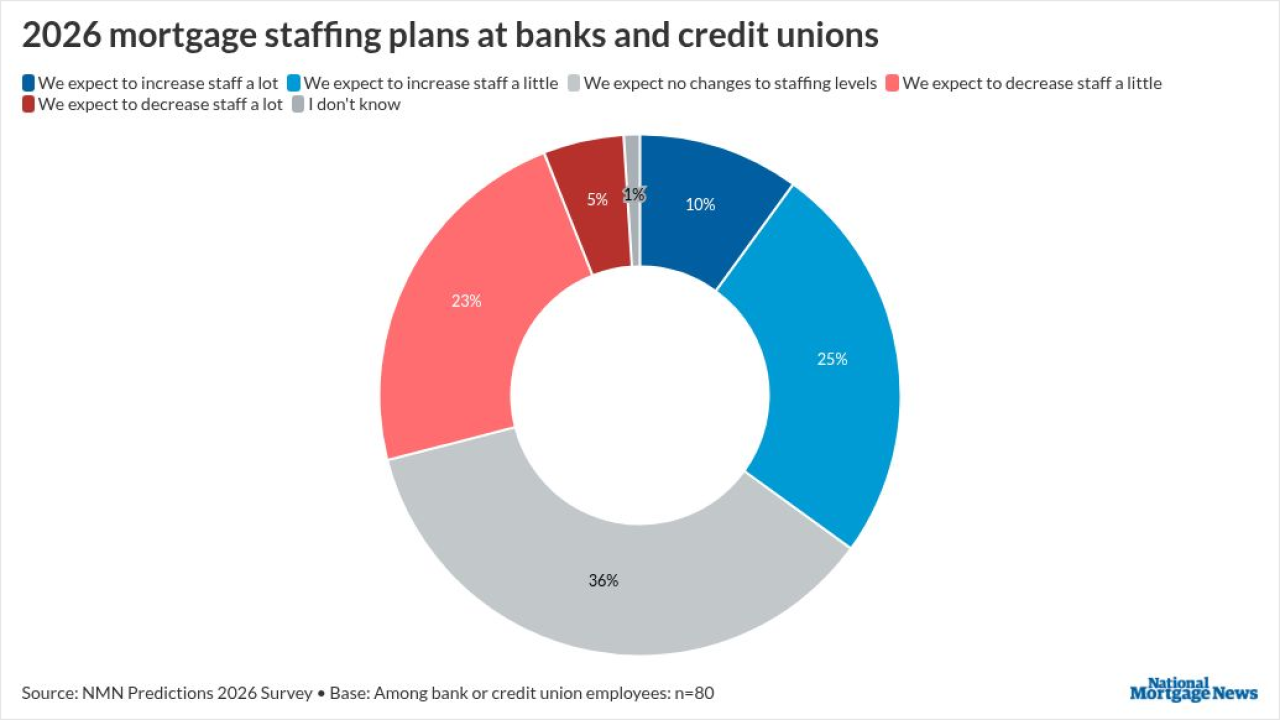
Banks and credit unions are pairing AI-driven efficiency with stable staffing and cross-training to scale mortgage production as originations rebound and technology expands capacity.

-
The Federal Reserve is moving quickly to implement its proposed "skinny" master account, giving state-chartered fintechs more access to the central bank's payment systems. But experts say a legal challenge to the rule is almost certain, regardless of where the Fed draws the line.


-
Some observers say changes to MSR risk-weighting would have limited near-term impact and are unlikely to prompt banks to rush back.


- Daily BriefingDelivered Every WeekdayIdeas that impact your business delivered to your inbox every day.
- TechnologyWednesday, ThursdayThe latest industry developments from digital banking to cybersecurity to AI.
- PaymentsDelivered Every WeekdayAn early-morning roundup of important headlines from the past 24 hours.
- Best of the WeekFridayThe most important and widely read stories from the previous week.

The Office of the Comptroller of the Currency Tuesday issued a proposed rule that would create an independent appeals board, de novo review standard for banks and uninsured firms like trusts, OCC says it'll increase trust in the system.

An ugly legal dispute between two San Diego credit unions offers a warning about what can go wrong when careful relationship-building doesn't precede a marriage.


The 23rd annual ranking of women leaders in the banking industry.


-
 Sponsored by Cloudera_Logo
 -
 Sponsored by Mitek_Logo
 -
 Sponsored by Oracle
 -
 Sponsored by Cognizent_Logo


