

The merger of equals, which received a chilly reception from investors when it was announced in July, closed faster than analysts had expected.


The chatbot at DBS’s digital bank in India handles most customer service questions but can also sense when it is time to hand something off to a real person.


-

The account-to-account payment method has become prevalent in countries such as China, India and Brazil, but adoption has been slow in the U.S. and limited to small- and medium-sized businesses. That paradigm is expected to shift amid continued fintech investment.

-

Countries around the world have lots of incentives to build an alternative to the U.S.-centric global payments system using central bank digital currencies. The U.S. must get in the game or see its economic might begin to wane.

-

In a collaboration with Coinbase and Flexa, Regal theaters now accept on-chain U.S. digital currency payments for movie tickets and concessions; the Bank of Nova Scotia has completed its second investment in KeyCorp; Fiserv entered into a definitive agreement to acquire Canadian-based payments fintech Payfare; and more in this week's banking news roundup.


-

Part of Julie Monaco's role at Citigroup is to understand the worries of governments and central banks around the world.
-

Delinquency rate holds steady, number of credit unions drops again.
-

The CFPB has ordered National Collegiate Student Loan Trusts and its debt collector, Transworld Systems, to pay at least $21.6 million.


-

The bureau released a five-year review of the so-called TRID regulation that found consumers benefited from being able to compare mortgage terms and costs, but the price tag for the industry was roughly $146 per loan.
-

The former chairman of the National Credit Union Administration will work with the fintech to broaden its reach in the credit union space.

-

Customers suffered when they were placed in mortgage relief plans without their consent, the Massachusetts senator says. She urged the Federal Reserve to take the blunder into account as it weighs when to lift other sanctions against the bank.


Instead of sitting around waiting for the next cyberattack, banks are trying to get a little ahead — without breaking the law.


The Dallas bank made some headway on its goal to slim down its multifamily loan portfolio, but $17 million in bad loans led to a bottom-line loss in the fourth quarter.


An error in data submitted to the Consumer Financial Protection Bureau about consumers with no credit record — known as "credit invisibles" — has skewed the agency's reports, showing that the number of Americans without credit histories is half what it was thought to be.


-

The risk of harm to users' financial health is much greater with direct-to-consumer advances than it is from earned wage access programs.
-
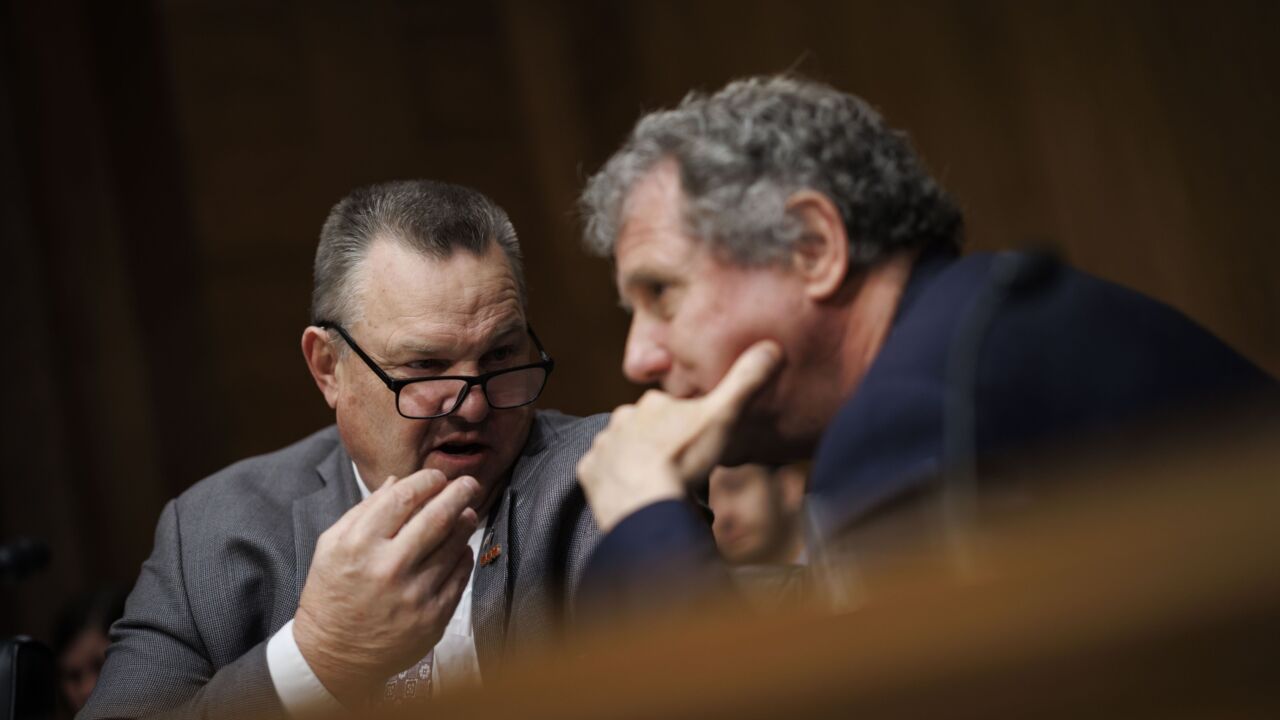
Who controls the administrative agenda is the most important outcome of the election for banks. But the road to controlling that agenda runs through the Senate, where the political dynamics are considerably different than at the top of the ticket.

-

Zeke Faux, a Bloomberg journalist, describes his two-year odyssey to better understand cryptocurrencies in his book "Number Go Up." His work proves to be an entertaining deep dive into an industry riddled with scams.


-
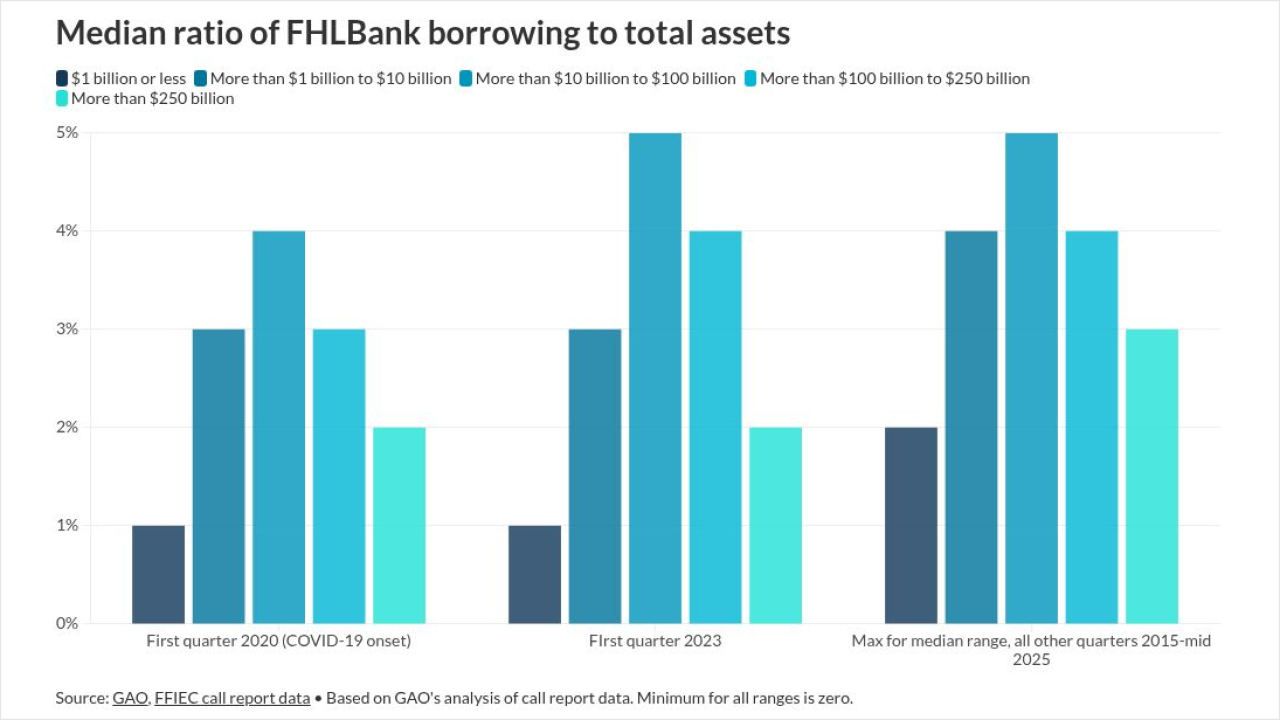
Fewer than 1% of members reported surges relative to total assets outside the normal range, making Silvergate's experience unusual, according to the GAO.

-
Banks typically prefer to steer clear of politics. But in 2025, politics would not steer clear of banks


-
CodeBoxx Academy is filling a void for banks and other companies that desperately need AI experts. Peret's time behind bars uniquely informed how he runs the school, he says.


-
The Consumer Financial Protection Bureau will face an existential crisis in 2026 between the Trump administration's efforts to shut down the agency and the employee union and consumer advocates who want to stop them.

-
The Federal Deposit Insurance Corp. has made big changes in 2025, including cutting headcount, walking back Biden-era rules and guidance and resetting the agency's approach to emerging technologies and crypto.


-
The Treasury Department issued guidance on how merchants can round cash transactions to the nearest nickel. Banks and retailers have been calling for more clarity from the government amid a penny shortage that stems from the Trump administration's abrupt decision to halt production of the one-cent coins.


- Daily BriefingDelivered Every WeekdayIdeas that impact your business delivered to your inbox every day.
- TechnologyWednesday, ThursdayThe latest industry developments from digital banking to cybersecurity to AI.
- PaymentsDelivered Every WeekdayAn early-morning roundup of important headlines from the past 24 hours.
- Best of the WeekFridayThe most important and widely read stories from the previous week.

Moving cannabis from a Schedule I to a Schedule III drug would not legalize cannabis or remove all barriers to cannabis banking, but it would allow operators to write off expenses, increase cannabis customer cash flow and eligibility for favorable loans.

The Federal Reserve said in a statement that its "understanding of innovation products and services have evolved" since the initial guidance was published in 2023.


The 23rd annual ranking of women leaders in the banking industry.


- Sponsored by S&P Global
- Sponsor Content from Plaid
-
 Sponsor Content from Precisely
 -
 Partner Insights from Brace

