

The investment banking giant reported an 18% increase in net income for the fourth quarter and stuck to its 2-year-old financial targets, even as it exceeded some of them.


The money will be used to hire more people. It is also a morale boost for the group, which has suffered some high-profile recent defections.

-

Following a media report that Department of Justice staffers have expressed concern about how Capital One's purchase of Discover would affect competition in the subprime credit market, analysts said the portfolio would be tough to sell. But they remain optimistic that the deal will get over the finish line.

-

Credit cards offer consumers three things stablecoins currently cannot: interest-free short-term loans, rewards programs and transaction reversibility. Your Visa card is going to remain in your wallet for a long time.

-
Bank technology firm Fiserv agreed to buy the Netherlands-based company, which sells multichannel processing systems. Also: the FCA looks to lighten contactless checkout limits; Ripple's Garlinghouse said the SEC has dropped a suit against his firm; and more news in the global payments and fintech roundup.


KeyBank will deploy Mastercard's advanced transaction decisioning technology, boosting the card network's push into artificial intelligence-powered authorization.


-

Big banks and wealth managers are unwilling to sacrifice fee income and make other changes to catch up with their customers' digital demands, fintech leaders said.
-

The Minneapolis bank is pitching the automated investment advice product, a joint venture with a BlackRock unit, to a wide range of age groups, not just younger consumers.

-

SigFig was among an early crop of digital advice firms that shifted their focus to serving wealth managers and banks. It has raised more than $100 million from a variety of investors.


-

The investment, tied to PNC's deal to acquire BBVA USA, was always going to be large but seemed to grow as CEO Bill Demchak got intimately involved in the discussions and the needs of communities and businesses hit hard by the coronavirus pandemic became more apparent.
-
The Dallas company will pay nearly $54 million for a 49% stake in a lender that operates in 10 states.

-
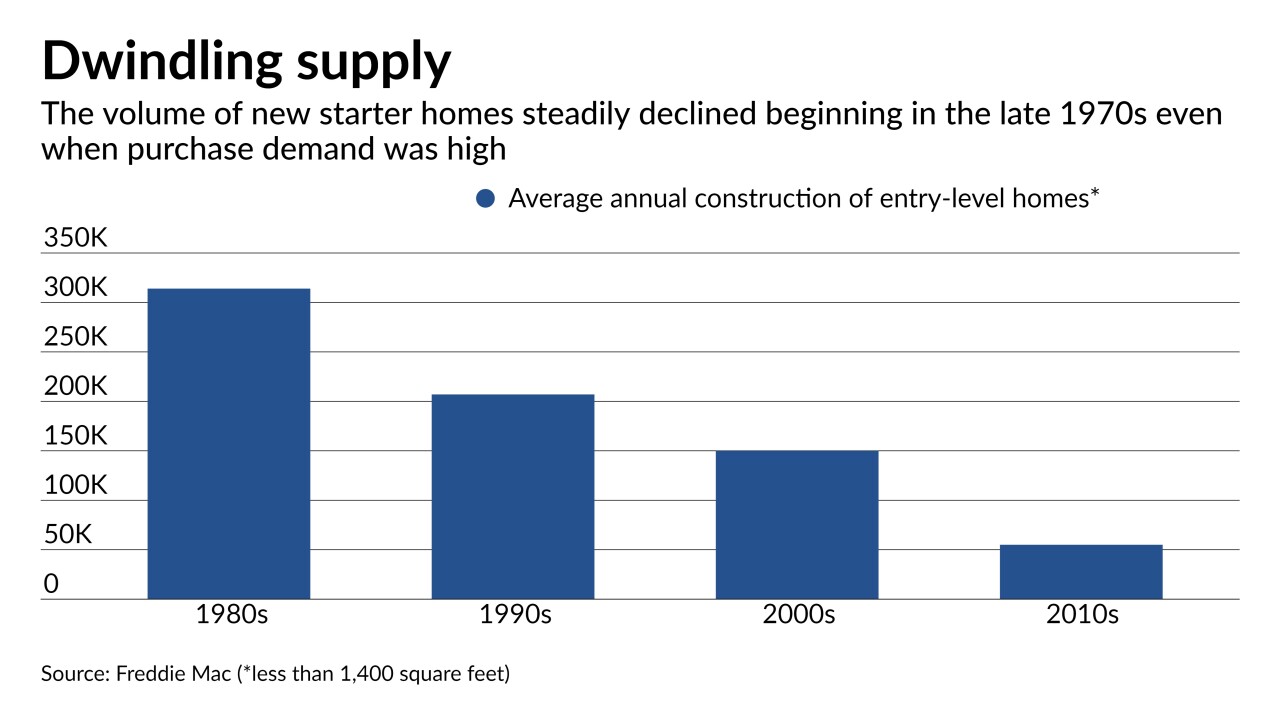
The end of the refinancing boom and impending rise in rates are not the only challenges lenders face. As one observer put it, they "can't make loans on homes that don't exist."


BMO hired former CEO of Citi Private Bank Halé Behzadi to accelerate the bank's growth strategy in California; Pennsylvania's Linkbancorp received regulatory approval to sell its New Jersey operations to a credit union; Dream First Bank announced plans to gain branches throughout Oklahoma; and more in this week's banking news roundup.

President Trump and his administration have begun to scrap new mortgage lending guidelines that made it easier for home buyers and sellers to dispute property appraisals, finding that homes owned by racial minorities are routinely valued lower than comparable homes with white owners. But despite the promised regulatory relief, many mortgage lenders say the regulatory changes will not impact their lending practices.


-

Analyzed from a property rights perspective, the dividends paid by the Federal Home Loan banks to their members are surprisingly stingy, and vary wildly between the different banks.

-

New York Community Bank's acquisition of the failed Signature Bank helped with its liquidity. But there were other considerations that decisionmakers overlooked in allowing the transaction to take place.

-

There were significant red flags that regulators overlooked when allowing New York Community Bank to acquire Signature Bank. Those include the fact that the company was still integrating the Flagstar Bank transaction.


-
The U.K. payments processor announced its acquisition of an alternative merchant acquirer license from the state of Georgia as part of its U.S. expansion.


-
The 6-2 vote represents a win for the megabank, which has been fighting a nationwide push to organize its workers. Some 28 branches have voted in favor of unionization, while three have rejected unionization.


-
Despite attracting $2 billion in deposits, the cloud-native unit proved too expensive to maintain, prompting a strategic retreat by parent company SMBC.


-
Analysts say credit card companies could face a major hit to earnings, while banks would also be under pressure.


-
The American Bankers Association and other groups contend the president's plan to cap credit card interest rates at 10% would drive consumers toward less regulated, more costly alternatives.

-
A report from the Cato Institute, a libertarian think tank, released Thursday found that most sudden account closures were spurred by supervisory pressure rather than political or religious bias on the part of the banks, a finding that is at odds with the White House's framing of the issue.


- Daily BriefingDelivered Every WeekdayIdeas that impact your business delivered to your inbox every day.
- TechnologyWednesday, ThursdayThe latest industry developments from digital banking to cybersecurity to AI.
- PaymentsDelivered Every WeekdayAn early-morning roundup of important headlines from the past 24 hours.
- Best of the WeekFridayThe most important and widely read stories from the previous week.

Federal Reserve Vice Chair for Supervision Michelle Bowman outlined several priorities affecting community banks, including potential changes to asset thresholds for smaller institutions.

The U.K. bank has completed a payment using the stablecoin alternative; while Revolut is trying to acquire Turkish neobank FUBS. Plus: execs tied to the Wirecard scandal are on their way to prison and more in the American Banker global payments and fintech roundup.


The 23rd annual ranking of women leaders in the banking industry.


-
 Sponsor Content from Upstart
 -
 Sponsor Content from Upstart
 -
 Partner Insights from Tenemos
 - Sponsored by S&P Global


