

The state is requiring merchants to accept cash denominations of $20 and under and prohibits them from charging extra to accept cash. The law, which goes into effect in March, comes as merchants are responding to the Trump administration's abrupt cancellation of penny production.


Swift announced Tuesday additional efforts to beef up security on its network, following highly publicized hacks of member banks earlier this year.

-

Credit card company is seeking to secure online payments using tokens based on consumers' biometric information.
-

In August's roundup of top tech news: Banks and retailers wrestle with the unseen consequences of artificial intelligence, Mastercard lays off roughly 3% of its workforce and more.

-

The payments platform is preparing for expansion to a market that has a fast-growing real-time transaction rail, making the country a hot spot for international investment.


A near-collapse of the global software vulnerability database exposed critical weaknesses that could leave banks unable to track cyber threats.


-
BancAlliance, a consortium of more than 200 community banks, is partnering with the digital wealth management firm Personal Capital.

-

Banks are experimenting with apps and mobile features that are available to everyone as they search for new ways to connect with potential customers.

-
Although intended to protect investors from market volatility, a decision by Betterment to temporarily suspend trading the morning after the British referendum has the wealth management industry wondering aloud if the robo-adviser harmed its reputation instead.


-

In blue states in particular, governors and attorneys general are taking up the mantle of consumer protection during the coronavirus emergency, effectively adding another layer of regulation to the patchwork of state and federal oversight.

-

Ginnie Mae will begin taking requests for assistance from issuers who, having exhausted all other options, are having trouble advancing borrowers' principal-and-interest payments to investors amid the pandemic.

-

A bipartisan group of lawmakers wrote in a letter to the Treasury secretary that the Financial Stability Oversight Council should create a liquidity facility to deal with a flood of forbearance requests brought on by the coronavirus pandemic.


Lower borrowing costs, reduced exposure to the urban office sector and flattening vacancy rates could collectively save lenders from beleaguered corners of the commercial real estate market.

Tentative appointments at the Federal Deposit Insurance Corp. and the Federal Reserve have compliance officers reading the tea leaves for future policy plays.


-

If capital requirements are increased, they must be constructed in a way that doesn't unduly burden smaller banks and their fintech partners.

-

Many of the fees that the agency derides as unnecessary are funds owed to medical practices, homebuilders and educational institutions.

-

The regulatory overhaul for large and midsized banks could lead to stronger pressure for those banks to merge in the coming years while leaving smaller banks less competitive — and arguably less stable.


-
The Troy, Michigan-based lender and servicer faces at least seven lawsuits over a hack in June allegedly perpetrated by a known ransomware gang.


-
In a relatively mild oversight hearing in the House Financial Services Committee Tuesday morning, regulatory heads at the Federal Reserve, Office of the Comptroller of the Currency, National Credit Union Administration and Federal Deposit Insurance Corp. outlined plans for reduced capital requirements and debanking enforcement.


-
South Plains Financial agreed to pay $105.1 million in stock to acquire a seven-year-old Houston community bank in its first M&A foray since 2019.

-
Former Comptroller of the Currency Eugene Ludwig has written a book called The Mismeasurement of America that lays out the shortcomings of the standard economic data that U.S. government and businesses use to make decisions, and how this data obscures the truth about how low-income Americans are actually faring.


-
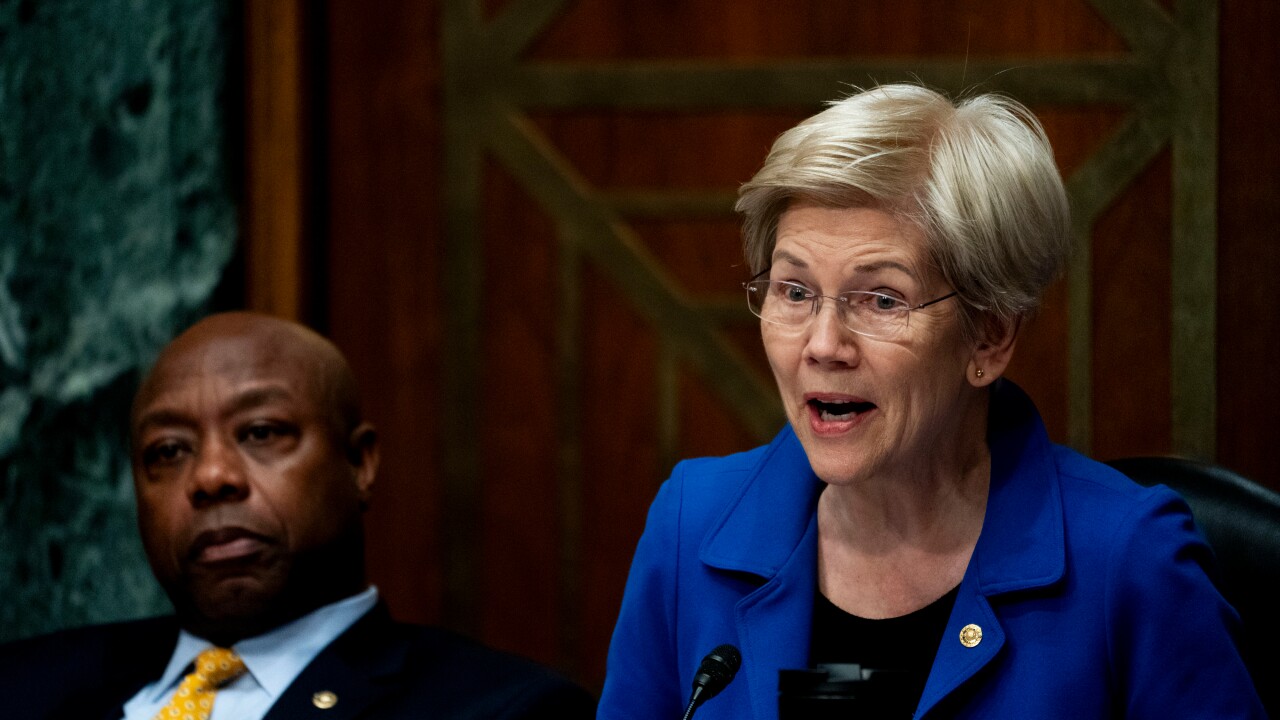
Democratic lawmakers, led by Senate Banking Committee ranking member Elizabeth Warren, D-Mass., press 21 institutions for fee data after a federal agency halted disclosure requirements.
-
The CEO spoke with American Banker about the company's plans for AI, blockchain, taking its digital wallet global and making PayPal and Venmo work together for the first time.




- Daily BriefingDelivered Every WeekdayIdeas that impact your business delivered to your inbox every day.
- TechnologyWednesday, ThursdayThe latest industry developments from digital banking to cybersecurity to AI.
- PaymentsDelivered Every WeekdayAn early-morning roundup of important headlines from the past 24 hours.
- Best of the WeekFridayThe most important and widely read stories from the previous week.

The megabank laid out a series of changes, including the impending departure of its chief financial officer and other executive shifts related to a revamp of its U.S. personal banking line of business.

The Minneapolis-based bank launched the Split Card, a Mastercard that turns purchases into three-month installment plans, in an effort to attract younger customers.


The 23rd annual ranking of women leaders in the banking industry.


-
 Partner Insights from Blend
 -
 Partner Insights from DocuSign
 -
 Partner Insights from Alloy
 - Sponsor content from Onfido


