

The payment fintech is marketing technology that lets merchants sell through AI agents; Google adds a credit card for India's national real-time payment rail. That and more in American Banker's global payments and fintech roundup.


Some vendors have begun offering authentication platforms through which biometrics and other authentication tools can be plugged into any or all channels. TD Bank is sold on this concept, but others are not completely sure.

-

In a Senate Judiciary hearing Tuesday morning, some Republican lawmakers signaled openness to joining their Democratic counterparts in supporting the Credit Card Competition Act.

-

The U.S. is alone among G7 nations in not allowing nonbanks direct access to vital central bank payments rails. It's past time for regulations to catch up with clear consumer preferences.

-

Buy now/pay later popularity has been on the rise as more consumers are turning to short-term installment lending to finance everyday purchases. The Swedish financier will find out if that momentum will be a winner with investors in the U.S.


A near-collapse of the global software vulnerability database exposed critical weaknesses that could leave banks unable to track cyber threats.


-

Banks have warmed up to digital wealth management tools but will need to use their human advisers, too, to beat fintechs.

-

Wells Fargo is piloting features that could help customers boost savings or plan for a trip.

-

Atlanta's Westside neighborhood is one of the most underbanked regions in the country, but a new collaboration between Equifax and the National Federation for CDCUs aims to tackle that head on.


-

Citing possible exploitation, Bank of America instituted a policy that put limits on loans to persons in guardianship. It later ended the policy.

-

Home-renovation loans to add features such as offices and pools could be one source of lending as credit unions struggle with overall sluggish loan demand.

-

Delinquencies have been ticking up since the start of the coronavirus pandemic and Capital One is warning of more pain unless the government provides additional relief to tenants and landlords.


Mutual Federal Bancorp nixed its planned acquisition of Pulaski Savings Bank. It did not disclose a reason for the deal termination.

The Trump administration plans to stop minting the one-cent coins early next year. Here are the potential consequences that banks and credit unions should prepare for.


-

The Fed's Basel endgame draft rule would restrict access to capital and credit on Main Street.

-
Banks are perfectly willing to comply with a reasonable data collection standard. The problem is that the Consumer Financial Protection Bureau's final rule makes demands far in excess of what the law requires.

-

While medical debt is not a problem created by the financial services industry, the industry has a critical role to play in addressing it.


-
The New York megabank, which completed the sale of a 25% equity stake in its Mexico retail business, has been exiting certain international markets as part of CEO Jane Fraser's focus on being a simpler, smaller bank.

-
The Birmingham-based lender is opening its first branch in Houston, following a wave of banks rushing into the Lone Star State as its economy continues to boom.


-
Early Warning's online checkout tool signed a multi-year partnership with NYCFC to be the official online checkout and digital wallet of the Major League Soccer franchise and a founding partner of its forthcoming stadium, Etihad Park.

-
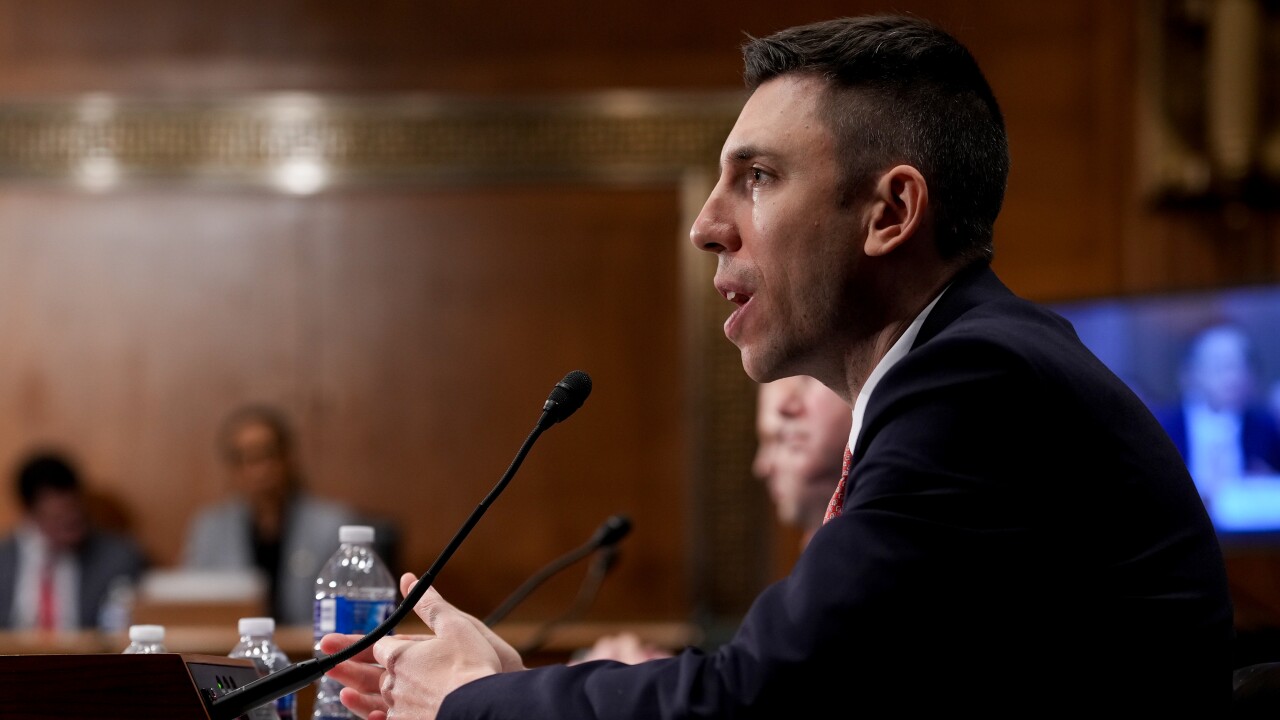
The Federal Deposit Insurance Corp. issued a proposal setting application criteria for banks to issue stablecoins and sets a strict timeline under which banks may have their applications reviewed. The agency also reduced deposit insurance assessments for banks and slashed its 2026 proposed budget at a board meeting Tuesday morning.

-
The Bureau of Labor Statistics Tuesday reported that the economy added 64,000 jobs in November after posting a loss of 105,000 jobs in October, which was largely attributable to the onset of the government's deferred resignation program. Unemployment also ticked up to 4.6% from 4.4% in November.

-
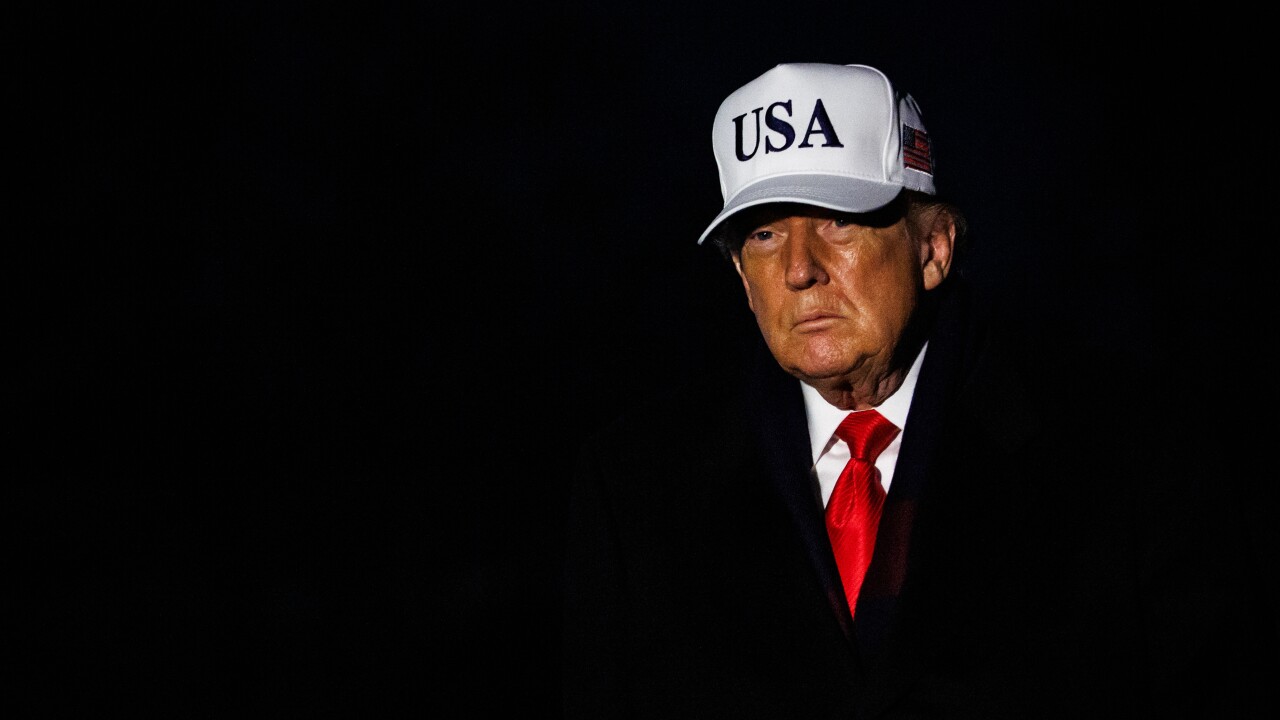
These are the executives, regulators, investors, disruptors and firebrands who will have the biggest impact on bankers in the coming year.



- Daily BriefingDelivered Every WeekdayIdeas that impact your business delivered to your inbox every day.
- TechnologyWednesday, ThursdayThe latest industry developments from digital banking to cybersecurity to AI.
- PaymentsDelivered Every WeekdayAn early-morning roundup of important headlines from the past 24 hours.
- Best of the WeekFridayThe most important and widely read stories from the previous week.

The Consumer Financial Protection Bureau plans to issue an interim final rule soon on consumer financial data rights because the agency expects to run out of money by Dec. 31.

Pornographers, private-prison operators and digital-asset firms were among the industries that major banks curbed ties with over moral or reputational concerns, according to the Office of the Comptroller of the Currency's preliminary findings in its "debanking" probe launched earlier this year.


The 23rd annual ranking of women leaders in the banking industry.


-
 Partner Insights from Capgemini
 -
 Sponsored by IntraFi
 -
 Sponsor Content from Jumio
 -
 Sponsored by ServiceNow


